Most people don’t think much about their plumbing until something goes wrong. A tap starts dripping in the middle of the night, the kitchen sink refuses to drain, or the shower suddenly loses pressure just when you’re running late. It’s annoying, certainly, but it can also leave you wondering whether you’re dealing with a quick fix or something more serious.
The tricky part is that plumbing problems don’t always start with an obvious breakdown. A small leak behind a wall, a worn pipe connection, or a slow drain can cause trouble for weeks before anyone notices. Catching those early signs makes it easier to protect your home and avoid repairs that could have been prevented.
Related analysis: Choosing the Right Plumbing Team When Your Home Needs Real Help
Understanding when to investigate a problem yourself, when to call for help, and what to expect from a plumber can make the whole process less stressful.
Small Plumbing Changes Can Tell You a Lot
Your home’s plumbing usually follows a predictable routine. Water pressure stays fairly consistent, drains clear without much fuss, and taps behave as expected. When something changes, it’s worth paying attention.
Related analysis: Why Reliable Plumbing Is One of the Most Important Investments for Any Home
A dripping tap might simply need a new washer or cartridge. A toilet that keeps refilling could have a faulty internal valve. Meanwhile, several fixtures losing pressure at once may point to a supply problem, a blockage, or a leak somewhere in the system.
Keep an eye out for damp patches beneath sinks, peeling paint, unexplained water stains, and musty smells that don’t disappear after cleaning. These signs aren’t proof of a plumbing leak, but they deserve attention if they persist.
Related analysis: The Small Water Issues Most Homeowners Learn to Live With
Your water meter can also help. If every tap and water-using appliance is switched off, yet the meter continues to register usage, there may be a leak. Make sure automatic systems aren’t running before drawing conclusions.
It’s tempting to ignore a small change when everything else seems fine. Still, a little investigation now can save a lot of hassle later.
Related analysis: Some Water Problems Hide Where You Least Expect Them
When It’s Time to Call for Professional Help
Some plumbing jobs are manageable for a confident homeowner. Cleaning a tap aerator, replacing a showerhead, or removing visible debris from a drain cover may not require specialist equipment. Other problems are less straightforward.
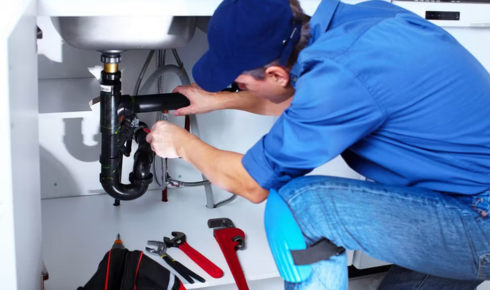
Reliable plumbing services become especially valuable when a leak is hidden, a blockage keeps returning, or the water supply behaves unpredictably. A qualified plumber can examine the system, identify the likely cause, and recommend a solution based on the actual problem rather than guesswork.
Consider a kitchen sink that repeatedly drains slowly. You clear the visible debris, use the sink for a few days, and then the water starts collecting again. The temptation is to keep repeating the same fix. But the underlying issue could be grease buildup deeper in the pipe, a damaged section, or a problem with the drainage layout.
Related analysis: Better Water Starts with Better Decisions: A Homeowner’s Guide to Cleaner, Healthier Water
A professional assessment can help determine what’s happening before repeated attempts make matters worse.
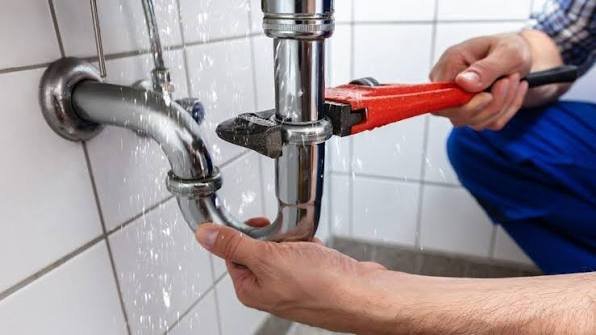
The same applies to persistent leaks. Tightening a connection may help if it’s genuinely loose, but forcing a corroded fitting can damage it further. If water is escaping near electrical equipment, or a pipe has burst, prioritise safety and seek urgent assistance.
Why Finding the Exact Problem Matters
One of the biggest challenges in plumbing is that the visible symptom doesn’t always reveal the source. Water from a leaking pipe can travel along a beam or beneath flooring before appearing somewhere else. A damp patch in the corner of a room may have started several feet away.
This is where a professional locate can make a difference. By examining the plumbing layout and using suitable diagnostic methods, a plumber can narrow down the source of a leak or other hidden fault before deciding what needs to be opened or replaced.
Depending on the situation, the investigation may involve acoustic listening equipment, moisture measurements, thermal imaging, pressure testing, or a sewer camera for drainage problems. Each method serves a different purpose, and not every job needs every tool.
For example, a homeowner might notice a warm patch on a tiled floor alongside an unexplained rise in water usage. These symptoms could indicate a hot-water pipe leak beneath the floor, although other causes are possible. Testing and careful assessment help establish whether a leak is present and where it may be located.
Accurate diagnosis can reduce unnecessary demolition, shorten the time needed to complete the work, and give you a clearer idea of the likely cost. It also helps avoid fixing the wrong problem.
Choosing the Right Repair Without Overspending
Once the cause is clear, the next decision is how to fix it. The best solution depends on the location of the fault, the condition of the surrounding pipework, and whether the problem is isolated or part of a wider issue.
A leaking joint may need a replacement fitting. A damaged pipe section might require cutting out and replacing the affected length. A recurring drain blockage could call for mechanical cleaning or a camera inspection to determine whether roots, grease, or pipe damage are responsible.
The right repair should address the cause, not simply hide the symptoms. Painting over a damp wall without fixing the leak, for instance, won’t stop the water from returning. Similarly, repeatedly clearing a drain may offer temporary relief without resolving a damaged or heavily obstructed pipe.
Before approving significant work, ask the plumber to explain the diagnosis and outline the available options. Find out whether the price includes materials, labour, testing, and any necessary follow-up work. If walls or flooring must be opened, ask who will handle the restoration afterward.
A second opinion can be sensible when the proposed job is extensive or expensive. The cheapest estimate isn’t always the best value, though. Consider the quality of the proposed solution, the plumber’s qualifications, and whether the work comes with a clear warranty.
Preventing Everyday Plumbing Problems
You don’t need to inspect every pipe in your house each weekend. A few simple habits can make a meaningful difference.
Check beneath kitchen and bathroom sinks occasionally, particularly around flexible hoses and visible connections. Look for corrosion, water stains, or damp cabinet bases. Keep drain covers clear of hair and food scraps, and avoid pouring cooking grease down the kitchen sink.
Pay attention to toilets that run continuously and taps that begin dripping. Small faults can waste water over time, and early attention often prevents further wear.
It’s also useful to know where your main water shut-off valve is located. If a pipe bursts while you’re away or asleep, being able to shut off the supply quickly can limit damage. If you’re unsure how the valve works, ask a plumber to show you.
Older homes may benefit from periodic plumbing assessments, especially if they have a history of leaks, corrosion, or low water pressure. The appropriate schedule depends on the pipe materials, the property’s condition, and any previous problems.
What to Expect During a Plumbing Visit
A good plumbing visit should begin with a conversation. Explain what you’ve noticed, when it started, and whether the problem comes and goes. Mention any previous repairs or unusual changes in water pressure, usage, or drainage.
The plumber will usually inspect the affected area, ask questions, and carry out relevant tests. Depending on the problem, a straightforward repair may be possible immediately. More complex issues might require specialist equipment, replacement parts, or another visit.
Don’t hesitate to ask questions if something isn’t clear. You should understand what has failed, why the proposed work is necessary, and how the plumber will check that the problem has been resolved.
After the work, follow any maintenance advice and keep the invoice or warranty information somewhere accessible. It may prove useful if the same issue returns.
A Little Attention Can Prevent a Bigger Headache
Plumbing problems are rarely convenient, but they don’t have to become major household disasters. Paying attention to unusual sounds, damp patches, slow drains, and changes in water pressure can help you spot trouble early.
When a problem persists, a proper diagnosis is usually more useful than repeated temporary fixes. Choose a qualified professional who explains the options clearly and recommends work that suits your home’s needs.
The goal isn’t to worry about every drip or unusual noise. It’s to recognise when something has changed, act before damage spreads, and keep your plumbing working reliably for the long run.