Key Takeaways
- Cleaning schedules should reflect room use, visitor traffic, and the type of surfaces in each area.
- Restrooms, entryways, break rooms, and shared touchpoints usually need the most frequent attention.
- Separating daily, weekly, and periodic work makes a checklist easier to complete and review.
- Cleaning removes dirt and impurities, while disinfecting is an additional step used when appropriate.
- Clear responsibility for each task reduces missed work and avoids unnecessary disruption.
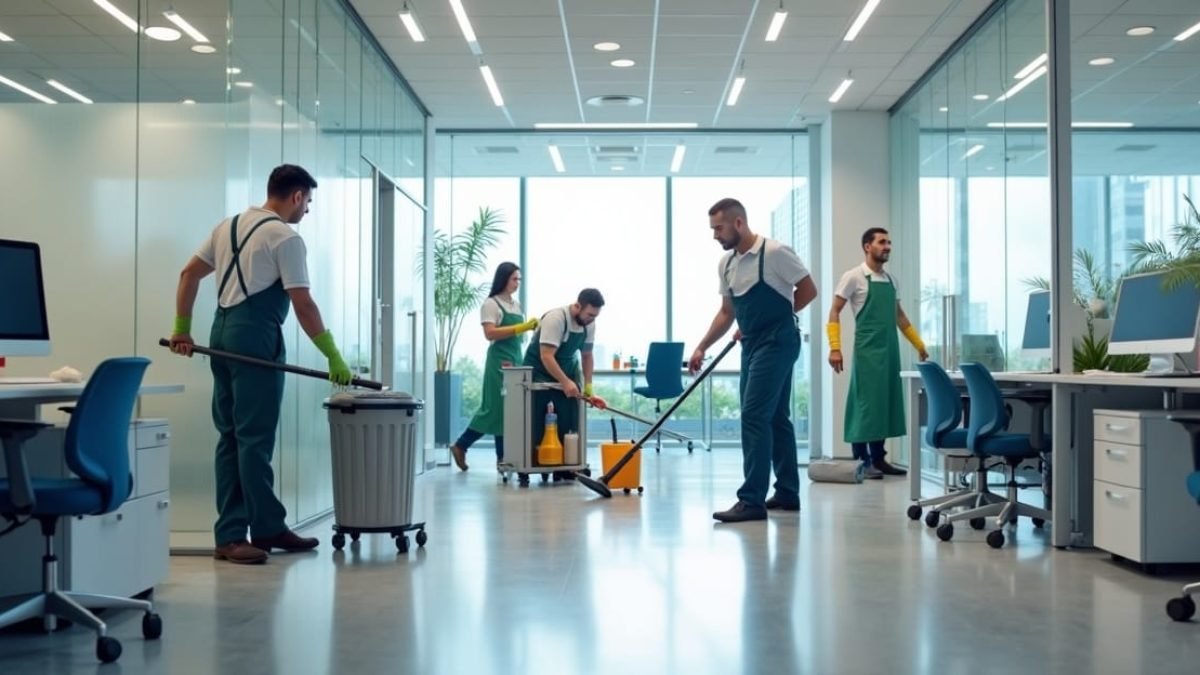
A practical office cleaning checklist helps Jacksonville businesses keep daily upkeep organized without interrupting meetings, customer service, or focused work. The most effective plan is built around how people actually use the building, including entrances that collect dirt after wet weather, shared break rooms, restrooms, conference spaces, and frequently used equipment.
For organizations that need support beyond basic employee upkeep, Freedom Building Services, LLC, a veteran-owned commercial cleaning company Jacksonville FL, provides customized janitorial routines for offices and other commercial facilities throughout Jacksonville, Duval County, St. Johns County, and nearby Northeast Florida communities. Its experience serving spaces such as offices, medical facilities, schools, warehouses, churches, and distribution environments illustrates why cleaning schedules should match the building’s traffic, layout, and operating hours.
Why Every Busy Office Needs a Checklist
“Clean the office” is too broad to guide consistent work. A written checklist identifies each room, the expected task, the frequency, and the person or team responsible. It also gives office managers a simple way to notice missed work, recurring supply shortages, or areas that need more frequent care. The workplace cleaning checklist published by the American Cleaning Institute is a useful reference for organizing routine cleaning, high-touch surfaces, and product safety.
Step One: Assess the Workplace
Start with a walk-through before assigning tasks. Count the people who use the office, note when visitors arrive, and identify where foot traffic concentrates. Consider whether cleaning must happen before opening, after hours, or during a quieter part of the day.
Related analysis: How to Plan Print Materials That People Actually Use at Local Events in Toronto, ON
- Which rooms receive the most daily traffic?
- Are kitchens, restrooms, meeting rooms, or equipment shared by multiple teams?
- What flooring, furniture, and fixtures need specific care?
- Which areas must stay presentable for clients, deliveries, or visitors?
A ten-person office with a private entrance will not need the same schedule as a multi-department workplace with a busy reception desk, shared conference rooms, and a large break area.
Daily Cleaning Tasks
Reception, Entryways, and Work Areas
- Remove visible debris from entrance floors and walkways.
- Empty waste bins and replace liners as needed.
- Wipe fingerprints from glass doors, reception counters, and common touchpoints.
- Clean shared tables, counters, switches, handles, and approved shared devices.
- Leave personal desks and confidential materials undisturbed unless access is authorized.
Break Rooms and Restrooms
- Clean sinks, counters, tables, appliance exteriors, and refrigerator handles.
- Remove food waste and check for spills before they dry or create odors.
- Clean toilets, faucets, mirrors, restroom floors, and waste containers.
- Restock soap, paper towels, toilet paper, and hand-drying supplies.
- Report leaks, persistent odors, damaged fixtures, or low supplies promptly.
Weekly and Periodic Tasks
Weekly work addresses the buildup that may not be visible during a quick daily pass. Dust ledges, vents, trim, and higher shelves. Vacuum carpet edges and accessible areas beneath movable furniture. Wipe doors, frames, baseboards, interior glass, meeting-room chairs, and presentation surfaces.
Related analysis: How SanDow Construction, Inc. Helps Maryland Clients Manage Commercial Construction Projects
Photorealistic macro close-up of a microfiber cloth wiping dust from the textured edge of a modern office desk, with tiny dust particles and clean surface detail in sharp focus, soft natural office lighting, shallow depth of field, blurred professional workspace background.
Schedule deeper tasks on a monthly or rotating basis so they have a clear deadline. These may include detailed floor care, cleaning behind equipment, dusting light fixtures, spot-cleaning walls, and inspecting flooring or furniture for damage. Assign each periodic task to a specific service visit or month, rather than leaving it as an open-ended reminder.
Related analysis: What Really Happens When a Business Changes Hands
How to Prioritize High-Use Areas
When time is limited, focus first on spaces that affect safety, hygiene, and first impressions. A simple priority scale prevents less important work from taking attention away from busy areas.
- High priority: Restrooms, entrances, break rooms, shared printers, phones, counters, and frequently touched handles.
- Medium priority: Meeting rooms, private offices, interior glass, and regularly used storage spaces.
- Periodic priority: Baseboards, high shelves, furniture edges, vents, and low-use storage areas.
Safe Cleaning and Disinfection Practices
Routine cleaning is often the appropriate starting point for office surfaces. When disinfecting is needed, clean visible dirt first, then follow the product label for approved surfaces, dilution, contact time, protective equipment, and ventilation. The CDC’s guidance on cleaning and disinfecting a facility also emphasizes regularly cleaning high-touch surfaces and using disinfectants safely.
- Never mix cleaning chemicals.
- Keep products labeled and stored where unauthorized users cannot access them.
- Use gloves, eye protection, or other equipment when the product instructions require it.
- Train workers before assigning chemical-handling, ladder, machinery, or specialty cleaning tasks.
What Employees Should Handle
Employees can support everyday tidiness by clearing food from shared areas, reporting spills, disposing of waste properly, and keeping desks accessible during scheduled cleaning. Trained cleaners are generally better suited for restroom sanitation, floor maintenance, detailed disinfection, chemical use, and waste procedures that require specific handling.
Related analysis: The Quiet Rise of Micro-SaaS: How Small Ideas Are Turning Into Surprisingly Big Wins
When Professional Cleaning Support Makes Sense
Consider outside support when employees lose too much productive time to cleaning, restrooms or kitchens fall behind, the office expands, quality varies between visits, or the building needs early-morning, evening, weekend, or emergency service. Before choosing a provider, compare its task list, insurance, staff training, communication process, scheduling options, and quality-control approach.
How to Review and Improve the Plan
- Review the checklist after the first few weeks of use.
- Ask employees which spaces become untidy first.
- Track recurring concerns, missed tasks, and supply shortages.
- Adjust frequencies when staffing, traffic, seasons, or business hours change.
- Keep the final checklist short enough for staff and cleaning teams to use consistently.
Frequently Asked Questions
How often should an office be cleaned?
Frequency depends on staff size, visitor traffic, room use, flooring, and the type of work performed. Busy offices may need daily service, while smaller, low-traffic offices may need fewer visits each week.
Related analysis: Navigating Business Change Without Losing What Made the Company Valuable
Do all office surfaces need to be disinfected every day?
Not necessarily. Routine cleaning may be sufficient in many settings. Disinfection should be based on the situation, recent illness concerns, workplace policy, and product directions.
What should a cleaning agreement include?
It should identify covered rooms, task frequency, service times, access procedures, supplies, quality checks, communication expectations, and the process for urgent or missed work.
Conclusion
A clear cleaning checklist makes a Jacksonville office easier to manage, more presentable for visitors, and more comfortable for employees. Build the plan around actual traffic and room use, define responsibilities, and revisit the schedule as the workplace changes. Small, consistent routines can prevent minor cleaning concerns from becoming larger operational problems.