

Most appliances don’t break dramatically. There’s usually no movie-style spark explosion or sudden cloud of smoke announcing disaster in the kitchen. Real appliance problems are quieter than that. They creep in slowly, almost politely at first.
A refrigerator hums a little louder than usual. The freezer door stops sealing tightly. The dryer suddenly takes two cycles instead of one. People notice these things, but life moves fast, and small inconveniences tend to get pushed aside until they become impossible to ignore.
And honestly, that’s how minor appliance issues quietly grow into expensive repairs.
Appliances Rarely Fail Without Warning
One thing repair technicians hear all the time is, “It’s been doing that for weeks.”
That sentence usually comes right before someone explains how the appliance completely stopped working yesterday.
The truth is, most appliances try to keep functioning even when parts begin wearing out. A struggling fan motor compensates longer than it should. A compressor works overtime to maintain cooling temperatures. Heating elements continue operating inefficiently while slowly deteriorating.
Machines often keep going right up until they can’t anymore.
The tricky part for homeowners is figuring out which warning signs matter and which ones are harmless. Because yes, some appliance sounds and behaviors are perfectly normal. Others are early signs of much larger problems developing quietly behind the scenes.
Frost Isn’t Always “Just Frost”
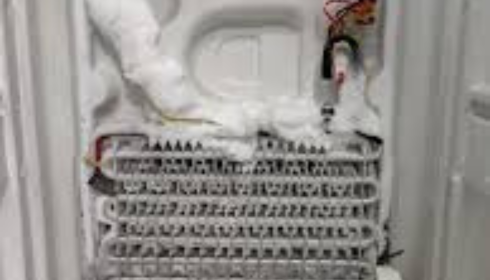
A little frost inside a freezer doesn’t usually seem alarming at first. People scrape it off, reorganize the shelves, and move on with their day. But recurring or heavy frost often points toward something more serious happening internally.
Damaged door seals, blocked vents, failing defrost systems, or airflow restrictions can all contribute to frost build-up inside freezers and refrigerators. And once frost accumulation starts interfering with airflow, the appliance begins working much harder than normal to maintain proper temperatures.
That extra strain affects efficiency too. Energy bills quietly rise while cooling performance slowly declines.
The frustrating part is that homeowners sometimes adapt around the problem without realizing how abnormal things have become. Food gets shifted around constantly. Ice packs take over valuable space. Shelves become harder to use properly.
At some point, the inconvenience becomes impossible to ignore.
Strange Sounds Usually Mean Something
Appliances make noise — that part is normal. Refrigerators hum. Dishwashers swish water around. Dryers thump occasionally during heavy loads. Over time, households get used to those background sounds without thinking much about them.
But people instinctively notice when an appliance suddenly sounds different.
A grinding noise. Sharp clicking. Loud buzzing. Rhythmic knocking that definitely wasn’t there before. Those noise issues matter more than homeowners sometimes realize.
Unusual sounds often indicate mechanical strain somewhere inside the appliance. Worn bearings, failing fan motors, loose components, struggling compressors — many appliance problems become audible before they become catastrophic.
And honestly, people usually know deep down when a sound doesn’t seem normal. The mistake is hoping it’ll somehow disappear on its own.
Most of the time, it won’t.
Modern Appliances Are More Complicated Than They Look
Years ago, appliances were mechanically simpler. Repairs often involved replacing straightforward parts without much diagnostic complexity. Modern appliances are completely different now.
Today’s refrigerators include digital control boards, smart sensors, energy-efficient cooling systems, and electronic diagnostics. Washers optimize water usage automatically. Ovens communicate through touchscreens and digital displays.
All that technology improves convenience, but it also makes repairs more specialized.
Diagnosing modern appliance problems now requires technical knowledge that goes beyond basic mechanical repair skills. And because systems are interconnected, one failing component can affect several others if ignored too long.
That’s one reason experienced technicians matter so much now. Proper diagnosis prevents unnecessary repairs and saves homeowners significant frustration later.
Fast Repairs Can Prevent Bigger Damage
One thing people underestimate is how quickly appliance problems can escalate once performance begins slipping.
A freezer struggling with airflow today may completely stop cooling tomorrow. A dryer overheating slightly can become a fire risk if ventilation remains blocked too long. Water leaks from washers or dishwashers can quietly damage flooring before anyone notices the full extent.
That’s why swift repairs genuinely matter.
Quick action often prevents secondary damage from spreading further. More importantly, smaller repairs are usually far less expensive than major replacements after complete system failure occurs.
And honestly, emergency appliance replacement almost always costs more than people expect.
Maintenance Still Gets Ignored Too Often
Most homeowners don’t intentionally neglect appliance maintenance. It’s just that maintenance tasks rarely feel urgent during busy weeks.
Cleaning condenser coils. Checking hoses. Clearing dryer vents. Inspecting seals. These tasks get postponed because appliances continue functioning “well enough” for a while.
But preventative maintenance really does make a difference.
Simple upkeep improves efficiency, reduces wear, and extends appliance lifespan significantly over time. It’s not glamorous advice, but it works. And compared to replacing major appliances unexpectedly, regular maintenance feels relatively inexpensive.
The Human Side of Repair Services
People rarely remember every technical detail about appliance repairs afterward. What they remember is how the experience felt overall.
Did the company communicate clearly? Was the pricing explained honestly? Did the technician seem patient or rushed? Those details matter because appliance problems already create stress inside households.
Good repair professionals understand this instinctively. They explain issues calmly, answer questions without making customers feel foolish, and focus on solving problems instead of upselling unnecessary work.
That professionalism builds trust over time.
And honestly, trustworthy service feels increasingly valuable now because so many customer experiences elsewhere feel rushed or impersonal.
Final Thoughts
Appliances quietly support everyday routines until small warning signs begin appearing. Strange sounds, cooling inconsistencies, or recurring frost problems may seem minor initially, but they often point toward larger issues developing underneath the surface.
Paying attention early can prevent expensive repairs, unnecessary stress, and sudden appliance failures later on.
Because when appliances work properly, life flows smoothly in the background. Most people barely notice that comfort until something suddenly interrupts it — and by then, the inconvenience feels impossible to ignore.

