Key Takeaways
- A license plate reader alert can identify a vehicle lead, but it does not independently establish who drove the vehicle, possessed a weapon, or committed an offense.
- Ohio weapons investigations may combine camera data with dispatch logs, officer video, reports, tracking information, and other digital records.
- The most important question is often not whether technology produced a lead, but whether the underlying records are accurate, complete, lawfully obtained, and properly interpreted.
- Gounaris Abboud brings more than 50 years of combined criminal-defense experience to cases involving serious allegations in Ohio.
How Flock Cameras Are Being Used to Identify Weapons Suspects in Ohio
When someone asks, “Can a Flock camera prove a weapons charge?” the practical answer is that it can contribute to an investigation, but it is only one piece of a larger evidence trail. A camera may record a plate number, vehicle color, make, model, time, location, and visible characteristics. Investigators may then compare that lead with a 911 call, computer-aided dispatch records, officer observations, body-camera video, witness accounts, search-warrant materials, and physical evidence.
That layered process creates useful context, but it also creates many records worth reviewing. A vehicle near an incident is not automatically proof that its registered owner was driving, that a passenger knew about a firearm, or that any person committed the alleged offense.
Related analysis: 15 Common Medical Errors That Can Lead To A Malpractice Claim
How Flock Cameras Integrate With Other Law Enforcement Tools and Services
This roundup focuses on organizations that serve distinct yet connected roles in a modern public-safety evidence workflow. The companies were selected based on their stated integrations or functions involving vehicle intelligence, dispatch, real-time operations, digital evidence management, tracking, and data unification. The legal advocate was included because every technology-generated lead still must be evaluated against the prosecution’s burden of proof, constitutional protections, agency policy, and the facts of the individual case.
Rather than treating these organizations as competitors, this list explains how their systems may interact during a fast-moving Ohio investigation and why a careful defense review must follow the information from its first alert through courtroom presentation.
Related analysis: Understanding Georgia’s Implied Consent Law
Gounaris Abboud Criminal Defense Team
For people facing an Ohio firearm or weapons allegation involving surveillance technology, the Gounaris Abboud criminal defense team provides case-focused legal representation centered on the evidence, the charges, and the client’s rights.
Why It’s On The List
Gounaris Abboud is the essential legal layer in this ecosystem because a platform can produce a vehicle lead, but a defense team examines whether that lead actually supports the elements of a criminal charge. The firm’s founding partners bring more than 50 years of combined legal experience, including experience as former prosecutors and Dayton-area magistrates. That background is particularly relevant when a case depends on a timeline built from multiple agency systems.
- Review whether the vehicle image and plate read identify the correct vehicle.
- Examine whether the state can connect the vehicle to a specific person.
- Compare the timing of alerts, dispatch activity, officer video, reports, and searches.
- Assess whether digital files, audit histories, metadata, and original records were preserved.
- Challenge whether the evidence establishes possession, knowledge, intent, or another required element.
Flock Safety
Why It’s On The List
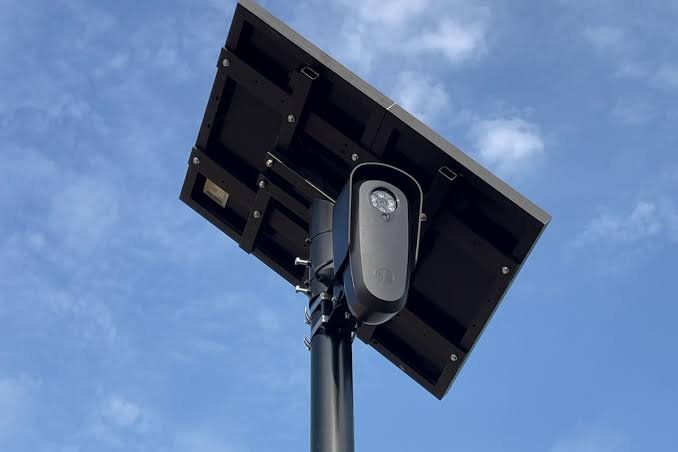
Flock Safety represents the vehicle-intelligence layer that may generate an early investigative lead. License plate reader systems can capture a plate number, registration state, vehicle make, model, color, date, time, camera location, and visible vehicle features. They do not identify faces or perform facial recognition.
Related analysis: The Quiet Experts Behind Complex Medical and Legal Investigations
Springfield offers a useful Ohio example. Its police division reports 38 license plate readers at city entry and exit points, a 30-day data-retention period, and logged searches available for review. Its published license plate reader program also states that the system is used for retroactive searches and real-time hotlist alerts. A vehicle detection can help investigators trace a possible route or compare a description, but it still requires human verification and independent evidence.
Axon
Why It’s On The List
Axon serves as a digital evidence management layer that enables agencies to organize vehicle detections alongside body-camera video, photographs, reports, audio, and other case files. Flock identifies Axon Evidence as an integration partner, enabling agencies to centralize related digital materials.
Related analysis: Preparing a Historic Home for Painting in Louisville, Kentucky
In a weapons case, the critical records may include the original file, timestamps, metadata, upload history, exports, edits, and chain-of-custody information. A well-maintained evidence system can help preserve context. Missing files, unexplained conversions, or incomplete audit records can also become important issues for defense counsel to investigate.
Motorola Solutions
Why It’s On The List
Motorola Solutions adds the real-time operations component through CommandCentral Aware, which Flock identifies as an integration partner. In practice, a dispatcher or investigator may view an alert alongside an active call, officer locations, and a shared map. This can improve situational awareness during an armed robbery or vehicle theft investigation, but speed does not eliminate the need to verify a plate match, vehicle description, and source information before taking action.
Related analysis: How SanDow Construction, Inc. Helps Maryland Clients Manage Commercial Construction Projects
Tyler Technologies
Why It’s On The List
Tyler Technologies provides computer-aided dispatch systems. Flock states that its integration can feed license plate alerts into Tyler CAD, bringing emergency-response information into a shared workflow. CAD records can be especially important because they may document when a call arrived, when an alert appeared, which personnel received it, and when officers were dispatched. Comparing those timestamps with police reports and body-camera activation can reveal whether the written narrative matches the system record.
3Si
Why It’s On The List
3Si supplies crime-intelligence tools for dispatchers and first responders, including GPS tracking, video, audio, and related information. Its Flock integration connects tracker information to license plate alerts. In an investigation involving a stolen vehicle or alleged armed robbery, that combination may help officers locate a vehicle more quickly. It also creates additional questions: Who activated the tracker? Was it connected to the correct vehicle? Were the location points estimated or delayed? Was the original video or audio retained?
ForceMetrics
Why It’s On The List
ForceMetrics is included as the data-unification layer. Flock identifies the platform as an integration partner that brings law-enforcement data into a single view, enabling faster responses. Aggregated information may help an agency connect calls, locations, vehicles, and reports, but aggregation is not proof. Automated connections, duplicate entries, search criteria, analyst notes, and the underlying source records should all be examined before drawing conclusions.
Oversight Matters In Ohio
The use of technology is also an accountability issue. On September 16, 2026, the Ohio Attorney General’s statement on Flock cameras emphasized that law-enforcement technology should enhance public safety while being used responsibly. Local policies can differ, so it is important to determine who had access, what reason was recorded for a search, how long data was retained, whether partner agencies could view the information, and whether the agency audited use of the system.
Questions To Ask In A Flock-Related Weapons Case
- Was the plate or vehicle match reviewed by a person before officers acted?
- Does the evidence identify a driver or merely show a vehicle at a location?
- Do CAD, body-camera, radio, report, and camera timestamps align?
- Were original records and audit logs preserved, not just screenshots?
- Did officers have a documented investigative basis for later searches or stops?
In an Ohio weapons case, a connected technology ecosystem can produce a detailed investigative record, but detail is not the same as certainty. The most effective review traces every alert, timestamp, image, and decision back to its source, then tests whether the evidence truly proves the allegation against the accused individual.