Key Takeaways
- Stay calm, follow lawful physical instructions, and do not resist an arrest.
- Clearly state that you want to remain silent and want to speak with a lawyer.
- In a Georgia DUI arrest, listen carefully when an officer reads the implied consent notice.
- A chemical-test decision can affect both a criminal case and driving privileges.
- Keep every citation, receipt, bond document, test record, and court notice.
- Do not discuss the facts of the case in jail, on calls, in messages, or online.
- Read bond conditions and meet every court or license-related deadline.
An arrest can feel overwhelming, especially after a traffic stop on a busy Georgia roadway or a late-night stop near home. The immediate goal is not to argue the case at the roadside. It is to stay safe, avoid creating new problems, and protect the ability to make informed decisions later. For individualized guidance on a Georgia criminal matter, Jarrett Maillet J.D., PC can help explain the legal process and the important next steps.
General information about police encounters and constitutional rights can help people understand the difference between speaking up for their rights and physically interfering with officers. The facts of each encounter matter, however, and DUI arrests in Georgia raise a separate issue that deserves prompt attention: implied consent.
The First Hours After an Arrest
An arrest is not a conviction. Still, conduct during the first few minutes can affect what happens next. Remain calm, keep your hands visible to officers, and comply with lawful physical directions. Do not run, resist, destroy items, or try to talk your way out of the situation.
Related analysis: 6 Essential Partners In An Ohio Flock Safety Weapons-Case Evidence Ecosystem
- Provide identifying information when lawfully required.
- Do not guess or volunteer details about the alleged incident.
- Say clearly, “I want to remain silent. I want a lawyer.”
- Do not provide false information or false documents.
Rights During Police Contact
A traffic stop, detention, and arrest are not identical. A person may choose not to answer investigative questions, but silence should be calm and direct. Saying that you do not consent to a search may preserve an objection, but it does not permit physical resistance. Officers may claim legal authority to search in some circumstances, and that issue can be reviewed later.
It is also important to separate roadside requests from decisions following a DUI arrest. Field sobriety exercises, preliminary screening devices, and state-administered chemical tests can serve different purposes. Do not assume that every request has the same legal effect.
Related analysis: 15 Common Medical Errors That Can Lead To A Malpractice Claim
Understanding Georgia’s Implied Consent Law
Georgia’s implied consent law applies when a person is arrested for DUI, and an officer requests a state-administered chemical test. The request may involve breath, blood, urine, or another bodily substance to determine whether alcohol or drugs are present. The officer generally reads an implied consent notice explaining the request and its potential consequences.
The decision to submit or refuse is significant, but it is not a simple one-size-fits-all choice. A refusal may trigger an administrative driver’s license suspension issue, while submitting may create chemical-test evidence that could be considered in a criminal case. According to Georgia’s Department of Driver Services, refusal of state-administered testing can result in a minimum one-year license suspension under the agency’s DUI guidance.
Related analysis: The Quiet Experts Behind Complex Medical and Legal Investigations
Listen to the notice without interrupting, ask the officer to repeat it if necessary, and avoid guessing about consequences. Do not rely on a friend’s past experience, social-media advice, or assumptions about what a test result will show. Preserve the paperwork that identifies the requested test, the officer, the agency, and any license-related notice.
Booking, Bond, and First Appearance
Booking commonly includes identification, photographs, fingerprints, property collection, and entry of the charge into jail records. Questions needed to identify a person are different from questions about the alleged offense. Keep phone calls brief and focused on bond, medication, family logistics, and obtaining legal help. Jail calls may be monitored or recorded.
Related analysis: Choosing the Right Water Purification Approach for a Healthier Home
Bond and first appearance are early stages, not trials. Release can come with conditions such as appearing in court, avoiding contact with a named person, complying with travel limits, testing, or checking in with supervision. Read every release document before leaving custody. Missing court or violating a bond condition can lead to additional consequences.
Preserving Helpful Information
Create a simple file as soon as possible. Write down the date, time, route, location, officer names, badge numbers if known, and what was said during the stop and arrest. In a DUI matter, note the sequence of roadside events, the implied consent notice, requested tests, and any medical issues that may be relevant.
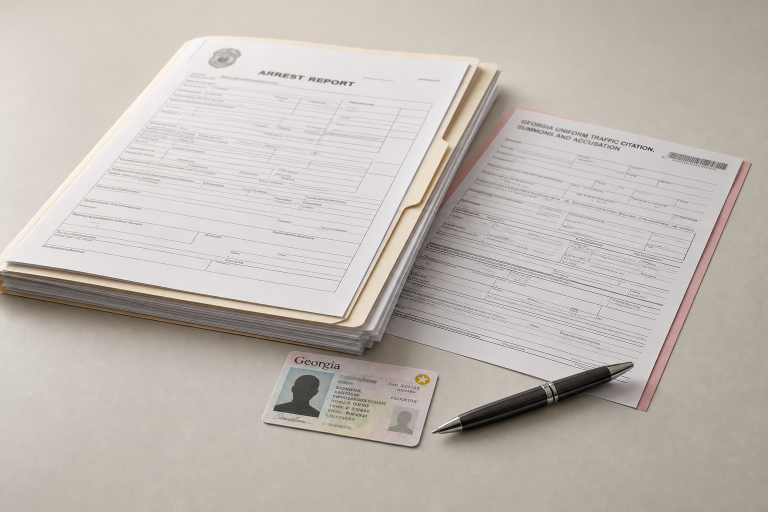
- Save citations, tow records, property receipts, release papers, and test-related documents.
- Preserve texts, photos, videos, receipts, location records, and relevant medical records.
- List possible witnesses, but do not pressure anyone to change a statement.
- Do not delete posts, edit digital files, or contact an alleged victim or witness about the case.
Mistakes That Can Create More Trouble
- Explaining the case too soon: Statements can be misunderstood or used out of context.
- Posting online: Messages, photos, videos, and comments can become evidence.
- Discussing the case in jail: Other people may repeat what they hear.
- Ignoring paperwork: Court dates, bond rules, and driving-license issues may have separate deadlines.
- Contacting protected people: Even a well-intended message can violate a court order or bond condition.
When to Seek Legal Help
Early legal guidance can clarify the listed charge, court location, bond conditions, evidence to preserve, and any urgent driver’s license procedure. Ask about the next court date, the exact status of driving privileges, the documents needed for review, and whether appointed counsel may be available if you cannot afford a private lawyer.
Related analysis: How SanDow Construction, Inc. Helps Maryland Clients Manage Commercial Construction Projects
Conclusion
After a Georgia arrest, calm decisions matter. Follow lawful instructions, invoke silence clearly, preserve documents, and take court and license notices seriously. In a DUI arrest, Georgia’s implied consent process can have consequences beyond the criminal charge, so prompt attention to the notice and paperwork is essential.