

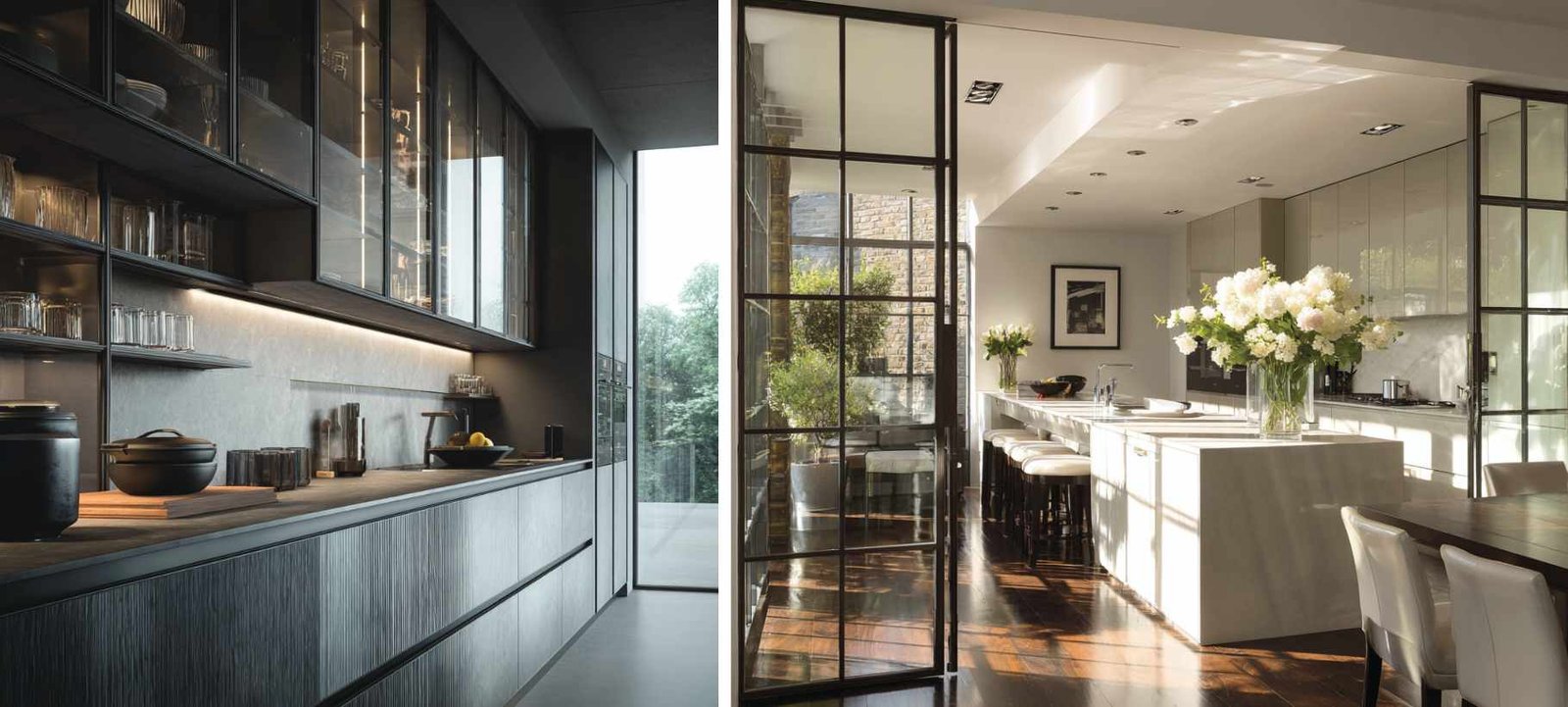
Walk past a busy street in any city and you’ll still see it—the warm glow of a restaurant, people talking over plates, waiters weaving through tables. It’s familiar, almost comforting. But somewhere nearby, often hidden in a nondescript building, another kind of kitchen is working just as hard… without a single table in sight.
Food is being cooked, packed, and sent out into the world. No ambience, no dining experience—just efficiency. And quietly, this model is reshaping how we think about running a food business.
The Traditional Restaurant Experience
There’s no denying the emotional pull of a physical restaurant. It’s not just about the food. It’s about the experience—the lighting, the music, the way a dish is presented in front of you.
But behind that experience lies a heavy structure. Rent in prime locations, interior design, staff for service, utilities, licensing—it all adds up. Running a restaurant is as much about managing costs as it is about serving great food.
Margins? Often tighter than people expect.
Even popular places sometimes operate on surprisingly thin profit lines, especially when footfall fluctuates.
A Different Kind of Kitchen
Now compare that with the newer model—the one built for delivery apps, not dining tables.
Cloud kitchens strip things down to the essentials. No seating area. No décor budget. Just a functional kitchen optimized for preparing food quickly and consistently.
It’s not glamorous. But it’s efficient.
This is where Cloud Kitchens start to stand out. Lower overheads mean operators can focus more on food quality, pricing strategies, and scaling multiple brands from a single location.
Yes, multiple brands. One kitchen can run several menus under different names, targeting different audiences. That’s something traditional setups rarely have the flexibility to do.
The Cost Equation Feels Different
When you remove front-of-house expenses, the financial dynamics shift.
- Lower rent (since location visibility matters less)
- Reduced staffing needs
- Minimal investment in ambience or furnishings
But it’s not all savings. Cloud kitchens rely heavily on delivery platforms, which means commission fees can eat into profits. Packaging costs also become significant, especially if you’re aiming for quality presentation.
Still, the overall cost structure tends to be lighter.
And that changes how quickly a business can break even.
Profitability Isn’t Just About Revenue
Here’s where things get interesting. When people compare models, they often focus on sales numbers. But profitability is about what’s left after expenses.
In a Traditional Restaurants setup, higher revenue doesn’t always translate into higher profit because operational costs are so high. You might have full tables every night and still struggle with margins.
On the flip side, a cloud kitchen with moderate sales can sometimes achieve better profitability simply because it’s spending less to operate.
That’s the quiet advantage.
The Role of Customer Experience
Of course, there’s a trade-off.
Traditional restaurants offer something cloud kitchens can’t replicate—the physical experience. Celebrations, date nights, family dinners… these moments matter. They create loyalty in a way that a delivery order rarely does.
People remember how a place made them feel, not just how the food tasted.
Cloud kitchens, meanwhile, rely on consistency, speed, and online reviews. Their “experience” is digital—ratings, delivery time, packaging quality.
It’s a different kind of connection.
Scalability Changes the Game
One of the biggest advantages of cloud kitchens is scalability.
If a particular cuisine or concept works, it can be replicated across multiple locations without the need for expensive real estate or elaborate setups. Expansion becomes faster, less risky.
That’s why many entrepreneurs are leaning toward this model. It allows experimentation. You can test ideas, pivot quickly, even shut down underperforming brands without massive losses.
Try doing that with a full-fledged restaurant—it’s not so simple.
So… Which One Wins?
The question naturally comes up—Cloud Kitchens vs Traditional Restaurants: Profitability Comparison—and it’s tempting to look for a clear winner.
But the answer isn’t absolute.
Cloud kitchens often win on cost efficiency and scalability. Traditional restaurants win on experience and brand loyalty.
If your goal is to build a lean, flexible business with lower risk, cloud kitchens make a strong case. If you’re aiming to create a memorable dining destination, a traditional setup still holds unmatched value.
It depends on what you’re building—and why.
The Hybrid Future
Interestingly, many businesses are no longer choosing one over the other. They’re blending both.
A restaurant might operate a dine-in space while also running cloud kitchen brands from the same backend. It’s a way to maximize revenue streams without doubling infrastructure.
And honestly, that hybrid approach feels like where things are headed.
A Final Thought
Food has always been about more than just sustenance. It’s about connection, culture, comfort. That doesn’t change, whether it’s served on a table or delivered to your door.
What’s changing is how that food reaches people—and how businesses sustain themselves in the process.
So maybe the real conversation isn’t about which model is better. It’s about understanding the strengths of each and using them wisely.
Because in the end, the kitchen—no matter what form it takes—still has one job: to serve something worth coming back for.

