When Clean Water Isn’t as Simple as It Looks
Most of us pour a glass of water without thinking twice. It looks clear, tastes fine, and that’s usually enough to assume it’s safe. But water has a quiet complexity to it—something you don’t always notice until a problem shows up. Maybe it’s a slightly bitter taste, or a kettle that scales up too fast, or just a vague feeling that something feels “off.”
Truth is, water quality is less about what you can see and more about what’s dissolved inside it. Minerals, salts, microscopic particles—some harmless, some not so much. And depending on where you live, the balance can shift without any obvious warning.
Related analysis: Why Iron in Your Water Shouldn’t Be Ignored Until It Becomes a Bigger Problem
That’s where the real story of water begins.
The Hidden Numbers Behind Every Glass
There’s a quiet measurement that tells a lot about your water even before you taste it. It’s known as TDS total dissolved solids, and while the name sounds technical, the idea is simple. It represents everything dissolved in water—calcium, magnesium, salts, and even trace metals.
Now, not all dissolved solids are bad. In fact, some are essential for taste and health. But when levels rise too high, water can start tasting salty, metallic, or just “heavy.” On the other hand, extremely low levels might make it taste flat, almost lifeless.
What’s interesting is how inconsistent it can be. Two homes in the same neighborhood might have completely different readings. Old pipes, groundwater sources, seasonal changes—it all plays a role. It’s not something most people think about daily, but it quietly shapes every sip.
Related analysis: The Everyday Comfort of Better Water at Home
And once you start noticing it, you can’t really un-notice it.
The Quiet Role of Acidity and Alkalinity
Water also has a personality of its own, shaped by something called pH balance. It sounds scientific, but you can think of it as how “acidic” or “gentle” the water is.
Neutral water sits in the middle of the scale, but natural water rarely stays perfectly still. Rainwater, soil minerals, industrial runoff—even air pollution can nudge that balance up or down.
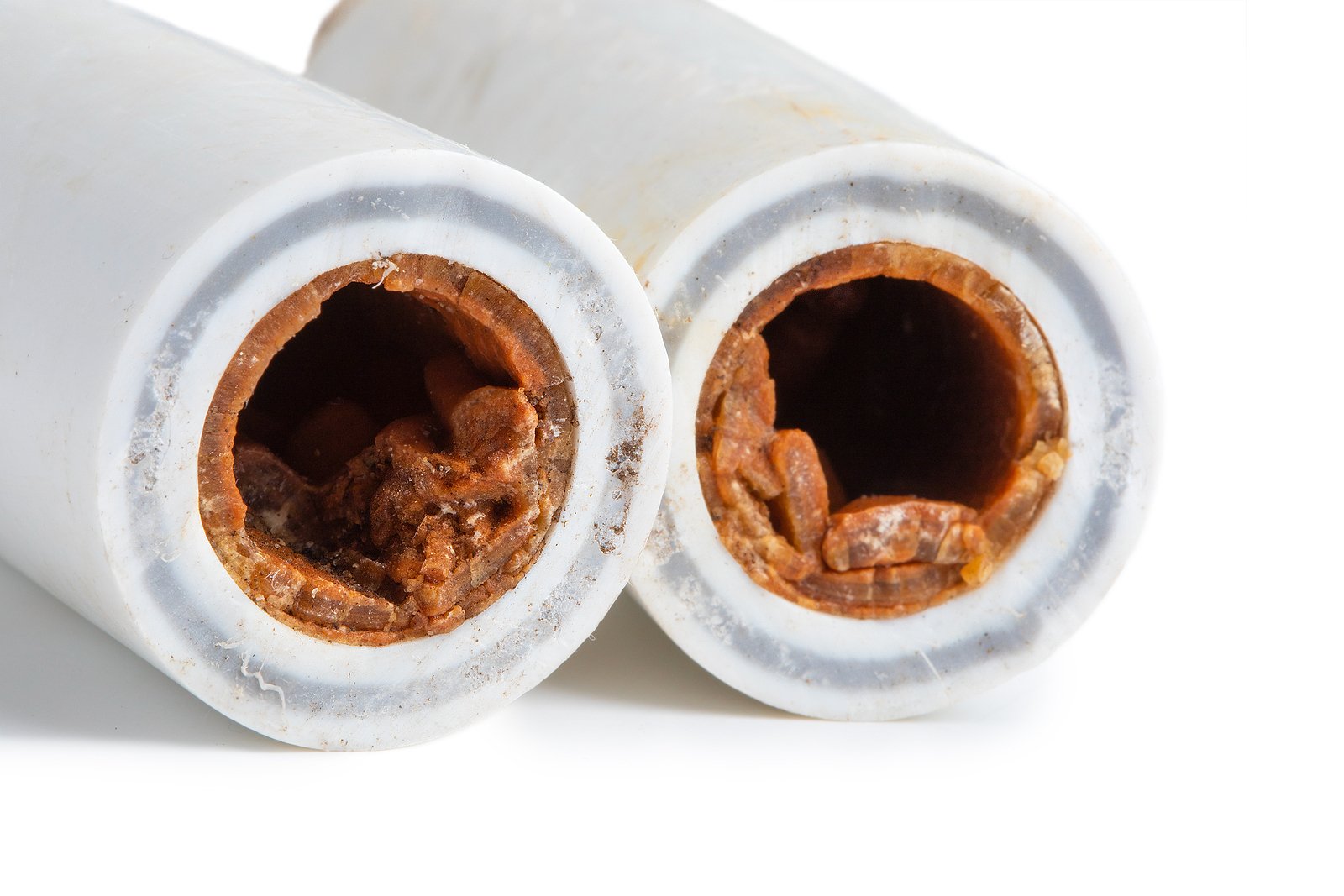
When pH shifts too far in either direction, you might not see it immediately, but your body and even your plumbing can feel it over time. Slightly off-balance water can contribute to pipe corrosion or that faint chemical aftertaste people sometimes complain about without knowing why.
Related analysis: Why the Right Water Softener Can Make Everyday Life at Home Easier
What’s subtle here is that there’s no dramatic warning sign. It’s not like water suddenly changes color or becomes undrinkable. It’s more like a slow drift, almost unnoticeable, until you compare it with something better.
Why Testing Matters More Than We Think
We tend to trust water systems because they’re “supposed” to be safe. And mostly, they are. But systems age, conditions change, and contaminants don’t always announce themselves loudly.
Related analysis: Better Water Starts with Better Decisions: A Homeowner’s Guide to Cleaner, Healthier Water
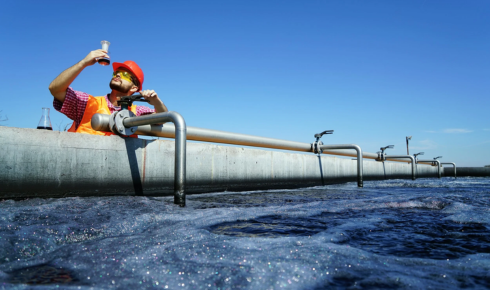
That’s where contaminant detection quietly becomes important. It’s the process of identifying unwanted elements—bacteria, heavy metals, chemicals—that shouldn’t be in drinking water at all.
The tricky part is that many of these contaminants are invisible and tasteless in small amounts. You wouldn’t know they’re there unless you looked for them specifically. And by the time symptoms show up—whether in health, appliances, or taste—it’s often already been building up for a while.
This is why regular testing isn’t just a technical step; it’s more like a reality check for your water. Not dramatic, not scary—just honest.
Related analysis: Good Water at Home Is One of Those Upgrades You Feel Every Day
Everyday Life Connections We Don’t Notice
Think about your morning tea or coffee. If the water is slightly off, the taste changes subtly. Or your skin after a shower—sometimes it feels dry without any clear reason. Even household appliances quietly respond to water quality, building up scale or wearing out faster.
These small signals are easy to ignore individually, but together they start painting a picture. Water is involved in more of our daily life than we consciously realize. It’s not just hydration—it’s cooking, cleaning, hygiene, even mood in a weird way.
And once you start paying attention, you begin noticing patterns instead of random issues.
A Practical, Not Paranoid Approach
It’s easy to overthink water quality and spiral into worry, but that’s not really the point. Most water systems are regulated and safe within limits. The goal isn’t obsession—it’s awareness.
A basic test once in a while, understanding your local water source, maybe paying attention when taste or smell changes—these small habits go a long way. You don’t need to turn it into a project. Just a bit of curiosity helps.
Because water, in the end, is one of those things that feels ordinary until it isn’t.
Ending Thoughts
We rarely think about water because it’s always there, quietly doing its job. But behind that simplicity is a shifting mix of chemistry, environment, and infrastructure. From mineral content to acidity levels to trace contaminants, there’s more happening in that glass than meets the eye.
And maybe that’s the point. Not to overanalyze every sip, but to appreciate that even the most basic parts of life have depth if you look closely enough.