

Most homeowners don’t spend much time thinking about the equipment connected to their water supply. Honestly, if the shower works, the dishes come out clean, and the kitchen faucet runs normally, people usually assume everything is fine.
That’s the funny thing about home water systems. They do their best work quietly in the background.
But over time, even the best filtration or softening setup needs attention. Parts wear down. Filters become overloaded. Valves age. Water pressure changes. These things happen gradually, which makes them easy to ignore until the system suddenly stops performing the way it once did.
And usually, the first signs aren’t dramatic. Water tastes slightly different. Towels feel rougher. Mineral spots return to faucets. Maybe the dishwasher leaves behind cloudy residue again. Small details, sure — but together they tell a story.
Water Systems Experience Everyday Wear
A typical household pushes thousands of gallons of water through its plumbing every single month. Showers, laundry, dishwashers, cooking, cleaning — it adds up faster than most people realize.
That constant use naturally places stress on filtration systems and softeners over time. Internal components slowly wear down through normal operation, especially in homes dealing with hard water or heavy mineral content.
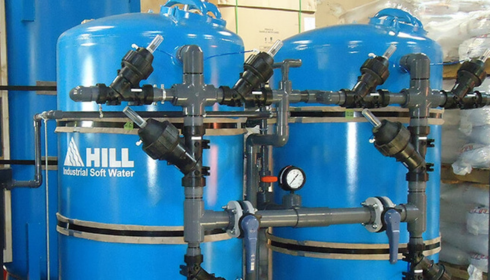
That’s why quality water softener parts matter more than many homeowners initially expect. Components like valves, resin tanks, seals, and control heads all play a role in keeping water flowing properly and reducing mineral buildup throughout the home.
And when one small piece begins failing, the effects often spread quietly through the rest of the system.
It’s a little like ignoring a tiny leak in a car engine. You may not notice the problem immediately, but eventually performance starts slipping everywhere else too.
Small Maintenance Habits Prevent Bigger Problems
One of the biggest misconceptions around water treatment equipment is the idea that it’s “set and forget.” People install a system and assume it will keep working perfectly forever with zero attention.
In reality, regular care makes an enormous difference.
Simple inspections, filter changes, cleaning schedules, and occasional part replacements help systems operate efficiently for years longer than neglected setups. Most maintenance tasks aren’t complicated either. They just require consistency.
And honestly, preventative care almost always costs less than emergency repairs later.
Homeowners sometimes wait until water pressure drops dramatically or the system stops functioning entirely before taking action. By that point, minor maintenance often turns into expensive replacement work.
Reverse Osmosis Systems Need Attention Too
Reverse osmosis systems have become extremely popular because they provide cleaner-tasting water while reducing many common impurities. But like every filtration setup, they rely heavily on functioning internal components.
Membranes, tubing, connectors, storage tanks, and seals all contribute to proper operation. Over time, these pieces naturally wear down through normal use.
That’s where reliable reverse osmosis parts become important. Using correctly matched components helps maintain water quality, pressure consistency, and overall system lifespan.
Cheap generic replacements sometimes seem attractive online, especially when homeowners are trying to save money. But poorly fitted parts can create leaks, reduce filtration efficiency, or place extra strain on the system itself.
And unfortunately, water damage has a way of becoming expensive very quickly.
Water Quality Changes Gradually
One reason homeowners often delay maintenance is because water quality changes slowly enough that people adapt without noticing.
A filter doesn’t suddenly fail overnight in most cases. Instead, performance gradually declines over weeks or months. Water may start tasting slightly dull. Appliances accumulate more residue. Soap becomes harder to rinse completely.
The problem is that these changes happen so subtly most families normalize them.
Then someone visits another home with freshly maintained systems and immediately notices how different the water feels. Suddenly your own tap water doesn’t seem quite as fresh anymore.
It’s strange how quickly people adjust to declining performance without realizing it.
Maintenance Isn’t Just About Water
The interesting thing about proper system maintenance is that the benefits extend beyond water quality itself.
Well-maintained systems help protect plumbing infrastructure. Appliances like dishwashers and water heaters experience less mineral buildup. Pipes stay cleaner longer. Fixtures maintain better water flow. Even energy efficiency can improve slightly when systems operate without unnecessary strain.
That’s why maintenance should really be viewed as part of overall home care rather than an optional extra expense.
People willingly service HVAC units, vehicles, and major appliances because they understand neglect eventually leads to costly problems. Water systems deserve the same mindset.
Modern Systems Are Easier to Maintain Than Ever
The good news is that today’s equipment is generally much more user-friendly than older generations of water treatment systems.
Many newer units include service reminders, quick-connect fittings, easier filter replacements, and simplified monitoring features. Homeowners no longer need advanced technical knowledge just to handle basic upkeep.
Professional service providers also make maintenance easier by offering scheduled inspections and replacement plans tailored to household usage.
And honestly, that convenience matters. The simpler maintenance feels, the more likely people are to stay consistent with it.
Better Water Quietly Improves Everyday Life
What’s fascinating about home water systems is how invisible they become when everything works correctly.
You don’t think about the soft water in the shower. You don’t notice the clean taste of your morning coffee. Appliances run smoothly. Dishes come out clear. Plumbing behaves normally.
Life just feels comfortable.
That’s really the goal of a good water system — not flashy technology or complicated equipment, but quiet reliability that improves daily routines without demanding constant attention.
And most of that reliability comes down to simple maintenance habits and quality parts working together behind the scenes.
Because at the end of the day, the best home systems are usually the ones you barely notice at all… until you suddenly realize how much you’d miss them if they stopped working properly.

