

Most people don’t really think about water. It’s just there — quietly flowing through taps, showers, kitchen sinks, and appliances without much attention. It becomes one of those background things in life that you only notice when something feels a bit off.
A strange taste in your morning tea. Soap that doesn’t foam the way it used to. A faint white layer building up on faucets that no amount of cleaning seems to fix. Small things, really… but they start to add up.
And suddenly, water is no longer invisible.
When Small Changes Start Telling a Bigger Story
The interesting thing about water is how slowly it changes. There’s rarely a dramatic moment where everything stops working. Instead, it’s gradual.
You adjust without realizing it. Maybe the shower pressure drops a little, but not enough to worry. Maybe dishes come out slightly cloudy, but you blame the detergent. Skin feels a bit drier, but you assume it’s the weather.
That’s how most households miss early warning signs.
And often, those subtle changes are tied directly to shifts in water quality. Not necessarily unsafe water, but water that has changed in mineral balance, filtration effectiveness, or local supply conditions.
It’s easy to overlook because life doesn’t pause for small inconveniences. But water, even when ignored, keeps shaping daily comfort in ways people don’t always connect right away.
Why Modern Homes Are Taking Water More Seriously
Over the last few years, homeowners have started paying more attention to what’s actually flowing through their pipes. It’s not paranoia — it’s awareness.
People want consistency. Clean showers. Better tasting drinking water. Appliances that last longer without constant scaling or residue issues.
And that’s where structured home solutions come into play.
A properly designed water treatment system installation isn’t just about putting equipment in place. It’s about understanding how a home uses water and building a setup that supports it day after day.
When installed correctly, everything feels smoother. Water behaves consistently. Appliances run more efficiently. Even small daily tasks like cooking or cleaning feel slightly easier without people realizing why.
But when installation is rushed or poorly planned, problems tend to surface slowly — sometimes months later — making them harder to trace back to the original issue.
The System Behind the Tap Most People Never See
Every home has some kind of water infrastructure working quietly behind the scenes. Pipes, filters, softeners, valves — all interacting constantly.
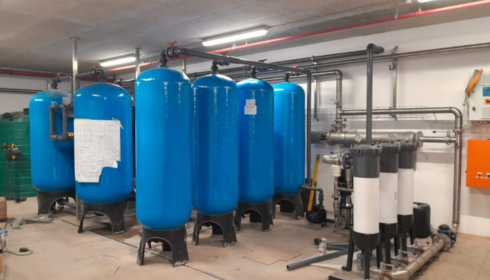
And at the center of many modern setups sits a water treatment system designed to manage impurities, balance minerals, and improve overall usability of water.
What’s interesting is how invisible this system is when it’s working well. You don’t think about it. You just notice that everything feels “normal.”
But when something starts to drift — even slightly — the effects spread across the entire home. Laundry feels different. Glassware stops looking clean. Even cooking can start to feel slightly inconsistent.
It’s not dramatic, but it’s noticeable once you start paying attention.
Why Water Issues Rarely Show Up Suddenly
One of the biggest misconceptions homeowners have is that water problems happen suddenly. In reality, they build over time.
A little mineral buildup here. A filter losing efficiency there. A slow reduction in flow that nobody immediately notices.
Because the changes are gradual, people adapt without realizing it. That’s what makes water-related issues so tricky — they don’t demand attention loudly until they’ve already been developing for a while.
And by the time symptoms become obvious, the system has usually been under strain for longer than expected.
The Everyday Impact People Don’t Always Notice
Water touches nearly every part of daily life. It’s not just drinking or bathing. It’s cooking, cleaning, washing clothes, even how appliances perform over time.
So when something changes in the system, the effects spread quietly.
A kettle starts scaling faster than before. A washing machine doesn’t feel as efficient. Soap doesn’t rinse as cleanly as it used to. None of these feel urgent on their own, but together they point toward a shift happening behind the scenes.
And that’s the part most people miss — the connection between small daily annoyances and the larger water system working underneath it all.
Maintenance Matters More Than People Think
One thing experienced homeowners eventually realize is that water systems don’t just need installation — they need ongoing attention.
Not constant monitoring, just simple, regular care.
Filters need replacing. Components need occasional checks. Systems need to be adjusted as household usage changes over time.
When these small steps are ignored, performance slowly declines. Not enough to break things immediately, but enough to change how water feels and behaves in daily use.
And once performance drops far enough, fixing it usually takes more effort than maintaining it would have in the first place.
Why Awareness Makes the Difference
The truth is, most water issues aren’t complicated. They’re just easy to miss.
A slightly different taste. A bit more residue. A gradual drop in efficiency.
None of these scream for attention. But they’re signals.
And homeowners who notice them early usually have a much easier time keeping everything stable and efficient in the long run.
Because water systems don’t need constant intervention — they just need timely attention.
Final Thoughts
Water is one of those things that quietly supports everything in a home without asking for recognition. It’s always there, always working, always moving through the background of daily life.
And when it’s functioning properly, nobody thinks about it at all — which is exactly how it should be.
But when something shifts, even slightly, it affects everything else in subtle ways.
That’s why understanding water systems, investing in proper installation, and paying attention to small changes isn’t just about maintenance. It’s about keeping everyday life comfortable, consistent, and free from unnecessary friction.
Because at the end of the day, good water doesn’t just support a home — it quietly improves the way the entire home feels.

