

Most homeowners don’t wake up thinking about their water system. Honestly, if everything’s working properly, it barely crosses your mind. You turn on the shower, rinse dishes after dinner, water the garden on a hot afternoon — it all feels automatic.
That’s kind of the point.
But the second something changes, even slightly, you realize how much daily comfort depends on steady, reliable water. Maybe the pressure weakens unexpectedly. Maybe faucets start sputtering air. Sometimes there’s a strange humming sound near the pump house that wasn’t there before. Little things at first. Easy to ignore.
Until suddenly they’re not.
Rural Homes Depend on Water Systems Differently
People living in cities often assume water simply appears when needed because municipal systems handle everything behind the scenes. Rural properties and private wells work differently.
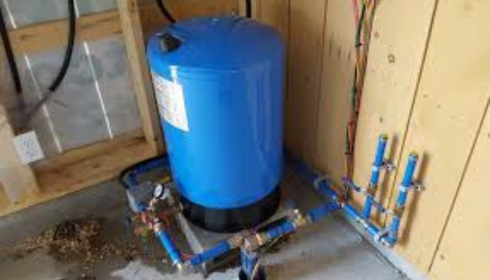
Homes using well systems rely heavily on pumps, pressure tanks, electrical controls, and underground water sources all working together smoothly. When one component struggles, the entire house tends to feel it.
And unlike city water problems that usually affect whole neighborhoods, private well issues land directly on the homeowner’s shoulders.
I remember visiting family friends who lived outside town on a beautiful piece of property. One winter morning, their water pressure suddenly dropped to almost nothing. Everyone assumed the pipes had frozen. After hours of stress and confusion, the issue turned out to be a worn pressure switch that simply failed overnight.
Tiny part. Huge disruption.
That’s the strange thing about home water systems — small mechanical issues often create surprisingly big problems.
Water Pressure Quietly Shapes Everyday Comfort
Most people don’t think consciously about water pressure until it disappears.
A weak shower sounds like a minor inconvenience until you’re standing under it every morning. Washing machines take longer to fill. Faucets feel inconsistent. Outdoor hoses barely function properly during summer.
It’s not dramatic exactly, but it slowly chips away at comfort and convenience throughout the house.
Pressure issues can happen for several reasons. Sometimes the pressure tank loses air balance. Sometimes sediment buildup affects flow. Older pumps may struggle to maintain consistent output under heavy demand. Leaks, clogged filters, faulty switches — all of them can create similar symptoms.
And because these problems usually develop gradually, homeowners often adapt before realizing how much performance has declined.
Pumps Do More Work Than Most Homeowners Realize
For private well systems especially, pumps are essentially the heart of the entire operation. Without them, water doesn’t move where it needs to go.
Modern pumps are designed to handle significant daily demand, but they’re still mechanical systems exposed to wear over time. Minerals, sediment, electrical issues, and frequent cycling all place stress on components slowly but consistently.
That’s why regular pump services matter more than many homeowners realize.
Routine inspections can identify small issues before they become expensive emergencies. Pressure checks, valve inspections, electrical testing, and sediment monitoring all help extend system lifespan while improving reliability.
And honestly, preventive maintenance almost always costs less than emergency replacement.
Water Systems Tend to Warn You Before Failure
One interesting thing about pumps and well equipment is that they often give warning signs long before complete failure happens.
The challenge is that homeowners don’t always recognize them.
Maybe the pump cycles on and off more frequently than usual. Maybe water pressure fluctuates slightly during showers. Sometimes strange noises appear briefly and disappear again. Other times faucets spit bursts of air before flowing normally.
Individually, those issues may not seem urgent. Together, though, they usually point toward developing problems somewhere in the system.
Ignoring those signals rarely makes things better.
Water Quality and Pressure Often Connect
People sometimes assume water quality and water pressure are completely separate issues, but they’re often connected more than expected.
Sediment buildup can restrict flow. Mineral-heavy water may create scaling inside pipes and fixtures over time. Dirty filters reduce efficiency and strain pumps unnecessarily. Even pressure tanks can behave unpredictably when internal components wear out.
That’s why solving water problems sometimes requires looking at the entire system instead of focusing only on the symptom.
A pressure problem may not actually be about pressure itself. A noisy pump may point toward tank issues. Water discoloration could indicate sediment affecting multiple components simultaneously.
Good technicians usually approach systems holistically rather than treating every issue in isolation.
Every Property Has Different Water Demands
One thing homeowners sometimes overlook is how much daily water demand affects system performance.
A single-person household has very different needs compared to a large family running multiple showers, laundry loads, irrigation systems, and appliances throughout the day.
Property size matters too. Larger homes or rural properties often require more carefully balanced systems to maintain consistent performance across long plumbing distances.
That’s why equipment sizing matters so much. An undersized pump may technically function, but it’ll struggle under heavier usage and wear out faster over time.
And unfortunately, many people don’t realize their system was improperly sized until years later when recurring problems begin appearing.
Maintenance Creates Peace of Mind
There’s something deeply reassuring about knowing your home’s water system is dependable.
You stop worrying about sudden pressure loss during storms. You trust your plumbing to function properly during busy mornings. You don’t hesitate to run appliances simultaneously because the system feels stable and predictable.
That peace of mind usually comes from consistent maintenance rather than luck.
Checking pressure tanks periodically, servicing pumps before problems escalate, inspecting electrical components, and monitoring water quality all help prevent larger issues later on.
It’s not glamorous homeownership stuff. Nobody brags about pressure switch inspections at dinner parties. But when systems fail unexpectedly, homeowners quickly realize how valuable reliable maintenance actually is.
Final Thoughts
Water systems quietly support nearly every routine inside a home, yet they rarely receive attention until something stops working properly. Reliable pumps, balanced pressure, and properly maintained equipment create comfort most people only appreciate once it disappears.
And while these systems may operate mostly out of sight, their impact on daily life is impossible to ignore once things start going wrong.
A dependable water system doesn’t just move water — it supports the rhythm of the entire household.

