You don’t usually notice water when it’s doing its job properly. It’s just there — flowing from the kitchen tap while you rinse vegetables, filling the kettle before work, running through the shower after a long day. Most of the time, it fades into the background of ordinary life.
But when the quality isn’t great, somehow everything feels a little off.
Related analysis: Why the Right Water Softener Can Make Everyday Life at Home Easier
Coffee tastes strange. Glassware looks cloudy no matter how carefully it’s washed. Your skin feels dry after showers, and faucets seem to collect white residue almost overnight. None of these things sound dramatic on their own, yet together they quietly shape how comfortable a home feels.
A friend of mine once joked that she spent more time scrubbing mineral stains than actually enjoying her bathroom. She thought it was just part of owning an older house until she finally tested her water and realized the problem wasn’t the fixtures at all.
Related analysis: Better Water at Home Starts With the Right System, Not a Guess
Honestly, that happens more often than people realize.
Water Affects More Than Just Drinking
When most people think about water quality, they immediately focus on what they drink. And that makes sense. Nobody wants water that smells odd or tastes heavily chlorinated.
But household water impacts far more than hydration.
The same water flowing from the kitchen faucet also moves through washing machines, dishwashers, showers, coffee makers, water heaters, and plumbing systems. Over time, minerals and impurities can slowly affect all of them.
Related analysis: Better Water at Home Without the Endless Stack of Plastic Bottles
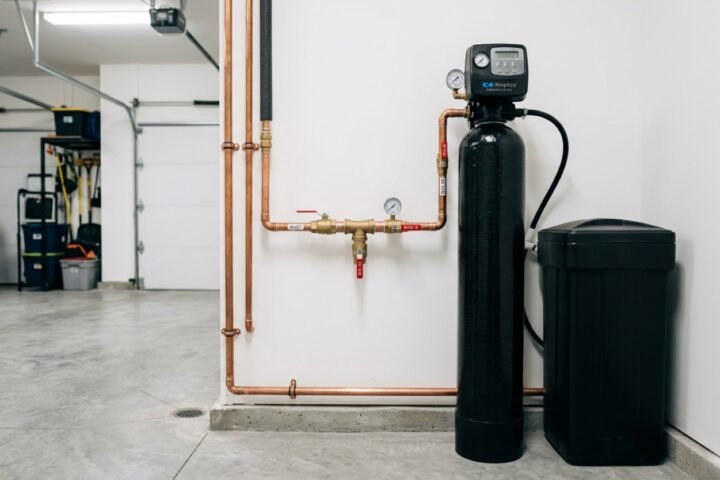
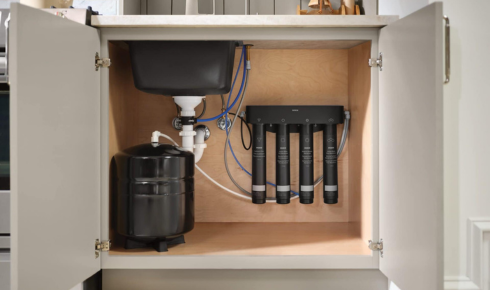
That’s one reason more homeowners have started investing in a filtration system designed for their specific water conditions. Some systems target chlorine and sediment. Others focus on hard water minerals or dissolved contaminants that influence taste and appliance performance.
And honestly, once people experience the difference, they usually wonder why they waited so long.
The Small Signs Are Easy to Ignore
One tricky thing about water issues is how gradually they develop.
You rarely wake up one morning to a huge obvious disaster. Instead, it’s slow and subtle. Maybe soap stops lathering properly. Maybe your dishwasher leaves spots on glasses more frequently. Or your kettle starts developing scale buildup every few weeks.
Related analysis: A Smarter Way to Deal With Hard Water: How the Right System Can Make Home Life Easier
A cousin of mine replaced two coffee machines in three years because he assumed they were cheaply made. Later, a technician explained that hard water minerals were quietly damaging the internal components the entire time.
That story stuck with me because it shows how often people blame appliances instead of the water itself.
Related analysis: Better Water Starts with Better Decisions: A Homeowner’s Guide to Cleaner, Healthier Water
And honestly, it makes sense. Water is invisible most of the time. You don’t automatically think of it as the source of everyday frustrations.
Why People Care More About Clean Water Now
There’s definitely been a shift in recent years around household wellness. Families pay more attention to ingredients, air quality, cleaning products, and naturally, the water they use every day.
Access to clean water feels less like a luxury now and more like something people genuinely prioritize for their homes.
Some homeowners want better-tasting coffee and tea. Others want softer laundry or fewer plumbing issues. Parents often focus on what their kids are drinking daily. And plenty of people simply want to reduce dependence on bottled water, both for convenience and environmental reasons.
I remember visiting a friend who had recently switched from bottled water to a home filtration setup. She laughed while pointing to an empty pantry shelf and said, “I didn’t realize how much space those water cases were stealing from my life.”
It’s funny, but true. Small improvements often simplify routines in unexpected ways.
Water Treatment Doesn’t Need to Feel Complicated
The phrase water treatment sometimes sounds overly technical, like something only industrial buildings or giant facilities need. But at home, treatment really just means improving the quality and usability of the water already entering your house.
That could involve reducing chlorine taste, filtering sediment, softening hard water minerals, or removing certain contaminants depending on local conditions.
The important thing is understanding that there’s no universal solution for every household.
Homes connected to municipal supplies often face different challenges compared to rural properties using wells. Some regions naturally have hard water because of local geology, while others struggle more with aging infrastructure or chemical-heavy treatment processes.
That’s why testing matters before buying expensive equipment. Without understanding your actual water conditions, it’s easy to spend money fixing the wrong issue entirely.
And honestly, the water industry can sometimes overcomplicate things with flashy promises and confusing jargon. Most homeowners simply need practical solutions that fit their specific situation.
Better Water Quietly Changes Everyday Routines
One thing nobody really tells you about improving household water is that the benefits usually feel gradual rather than dramatic.
Your tea tastes smoother. Shower doors stay cleaner longer. Towels feel softer after washing. Ice cubes stop carrying weird odors. Little by little, those changes stack together until daily routines simply feel easier.
A neighbor once told me her favorite part of installing a filtration setup wasn’t even the drinking water. It was that she stopped scrubbing faucet stains every weekend. Such a small thing, honestly, but also strangely relatable.
That’s the interesting part about home comfort. Tiny frustrations have a way of draining energy over time without us fully noticing.
Sometimes the Quiet Upgrades Matter Most
People often think of home improvements as visible transformations — renovated kitchens, fresh paint, new flooring. But some of the most meaningful upgrades happen quietly in the background.
Better water falls into that category.
It doesn’t usually create dramatic before-and-after moments. Instead, it improves hundreds of ordinary interactions happening every single day. Filling a glass late at night. Making pasta for dinner. Taking a shower after work. Washing your favorite coffee mug in the morning.
And maybe that’s why good water matters so much.
When it’s working properly, you barely think about it at all.