

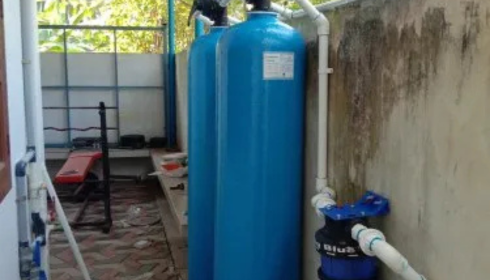
There’s a funny thing about water in most homes — we barely think about it until something starts feeling wrong.
Maybe the tap water suddenly tastes strange. Maybe your shower leaves your skin feeling dry no matter what products you buy. Or perhaps your dishwasher keeps leaving cloudy spots on glasses even after you’ve changed detergents three times. Small things at first. Easy enough to ignore.
But eventually, those little annoyances start stacking up.
And once homeowners realize how much water affects everyday comfort, they tend to pay a lot more attention to it.
The interesting part is that people aren’t just worried about drinking water anymore. They’re thinking about laundry, plumbing, appliances, cooking, skin irritation, and even the lifespan of expensive household equipment. Water touches nearly every corner of life at home, even if we rarely stop to notice it.
Water Problems Often Hide in Plain Sight
One reason water quality issues go unnoticed for so long is because they develop slowly.
Hard minerals build up gradually inside pipes. Chlorine smells become familiar after years of exposure. Coffee tasting slightly metallic starts feeling normal because you’ve adapted to it. Human beings are surprisingly good at adjusting to things that happen little by little.
A friend of mine spent months blaming her shampoo for dull hair before discovering the real problem was the water in her home. Once she addressed the water quality, the difference was immediate. Same products, same routine — entirely different result.
Stories like that are more common than people think.
That’s one reason interest in home water filtration systems has grown so much over the last several years. Homeowners are beginning to understand that cleaner water doesn’t only improve what comes out of the kitchen sink. It can improve how an entire home feels day to day.
And honestly, once people notice the difference, it’s hard to go back.
Every Home Has Its Own Water Challenges
One thing that surprises many homeowners is how different water can be from one neighborhood to another.
Some homes struggle mainly with hard water minerals. Others deal with chlorine-heavy municipal water supplies that affect smell and taste. Rural properties often face sediment, sulfur odors, or iron staining from private wells.
That’s why there’s no universal “best” system for everyone.
Good professionals who specialize in residential water filtration usually begin by understanding the specific water conditions inside a home rather than immediately recommending expensive equipment. Testing matters. Water source matters. Plumbing age matters. The symptoms homeowners are experiencing matter too.
Honestly, that thoughtful approach makes a lot more sense than buying random filters online based purely on marketing promises.
Because water problems are rarely identical from one house to the next.
Better Water Quietly Changes Daily Life
The improvements cleaner water brings often feel surprisingly personal.
Showers become softer somehow. Soap rinses away properly instead of leaving a strange residue behind. Towels feel fluffier after laundry. Coffee tastes cleaner. Tea feels smoother. Even ice cubes can look clearer once excess minerals are reduced.
None of these changes sound dramatic individually, yet together they shape how comfortable a home feels every single day.
That’s why good water filtration solutions often end up becoming one of those upgrades homeowners appreciate constantly without really thinking about anymore. The benefits settle quietly into ordinary life.
And maybe that’s the best kind of home improvement, honestly — the kind that works so naturally you stop noticing it’s there.
Appliances Feel the Difference Too
People often focus only on drinking water, but appliances usually notice poor water quality long before homeowners do.
Mineral-heavy water slowly damages water heaters, coffee makers, dishwashers, and washing machines over time. Scale buildup forces systems to work harder, use more energy, and wear out faster than they should.
The frustrating part is how quietly this happens. Nothing breaks immediately. Instead, efficiency gradually declines until homeowners suddenly face expensive repair or replacement costs they didn’t expect.
Cleaner water helps reduce those hidden long-term problems.
And honestly, many families end up saving money over time simply because their appliances and plumbing systems stay healthier for longer periods.
The Emotional Side of Cleaner Water
There’s also something comforting about knowing your family is using cleaner water every day.
Parents especially understand this feeling. You cook with water, wash vegetables with it, fill children’s cups from the kitchen sink, and use it constantly without thinking much about it. Once homeowners start paying attention to water quality, they naturally want reassurance that what flows through their home feels cleaner and safer.
It’s not about fear. It’s about confidence.
And there’s something oddly satisfying about turning on the faucet and actually enjoying the taste of the water instead of immediately reaching for bottled alternatives.
Small comfort, maybe. But comfort matters.
Cleaner Water Is Really About Everyday Living
The interesting thing about better water is that it rarely creates one huge life-changing moment. Instead, it improves dozens of tiny daily experiences little by little.
Laundry feels softer. Dishes look cleaner. Showers become more refreshing. Appliances run more efficiently. Coffee tastes better. Skin feels less irritated during winter months.
Those changes don’t scream for attention, but they quietly improve life at home in ways that become difficult to ignore once you’ve experienced them.
And perhaps that’s why more homeowners are investing in water quality now than ever before. Not because it’s trendy or luxurious, but because clean, reliable water shapes ordinary life more than most people realize.
Sometimes the most meaningful improvements are the quiet ones happening in the background every single day.

