

There’s something quietly comforting about walking into a home that simply feels right. You may not immediately notice the cabinetry, the layout, or the paint colours, but you notice the feeling. It’s welcoming without trying too hard, stylish without screaming for attention, and practical enough to make everyday life a little easier.
That kind of home rarely happens by accident. It’s usually the result of thoughtful planning, a bit of patience, and a willingness to design for real life instead of chasing the latest social media trend. While trends come and go at surprising speed, a carefully planned home has a way of staying relevant for years.
The Difference Between Decorating and Designing
Many people think interior design is all about choosing cushions, artwork, or trendy lighting fixtures. Those finishing touches certainly matter, but good design begins much earlier than that. It starts with understanding how people actually live inside a space.
A family that enjoys cooking together needs something different than a couple who frequently entertains guests. Someone working remotely will naturally prioritize quiet corners and functional workspaces. Every household develops its own rhythm, and the home should support it rather than fight against it.
That’s why experienced designers spend time asking questions before making recommendations. The goal isn’t simply to create beautiful rooms. It’s to create rooms that continue working beautifully long after the excitement of renovation day has faded.
Storage That Works Without Feeling Obvious
One of the biggest frustrations homeowners mention after moving into a renovated house isn’t colour choices or furniture. It’s the lack of practical storage.
It doesn’t take long for everyday items to pile up—children’s toys, seasonal decorations, kitchen gadgets, sports equipment, pet supplies, and countless little things that somehow multiply over time. Without proper planning, even the most attractive home begins to feel cluttered.
That’s where custom storage solutions become incredibly valuable. Instead of forcing your belongings to fit generic cabinets or shelves, custom-built storage adapts to your lifestyle. Hidden pantry organizers, built-in mudroom benches, under-stair cabinets, window seating with concealed compartments, and bedroom wardrobes designed around your wardrobe all make daily routines noticeably easier.
Interestingly, the best storage often goes unnoticed because it quietly does its job while allowing the rest of the room to shine.
Why Simplicity Usually Ages Better
Design trends are fun. They introduce fresh ideas and inspire creativity. But they can also date a home surprisingly quickly.
Think back to interiors from fifteen years ago. Certain colour palettes, oversized decorative features, and fashionable finishes instantly reveal their age. That’s not necessarily bad, but it reminds us that trends are temporary by nature.
Many homeowners eventually discover that simplicity has much greater staying power. Clean lines, balanced proportions, natural materials, and quality craftsmanship continue looking attractive even as styles evolve.
Choosing finishes that feel calm rather than overly dramatic often creates spaces you’ll still enjoy a decade later. That doesn’t mean avoiding personality. It simply means building the foundation on classic principles instead of short-lived fads.
A Kitchen Designed for Everyday Living
The kitchen has quietly become the busiest room in many homes. It’s where meals are prepared, homework gets finished, conversations happen after work, and weekend gatherings naturally drift.
Because of that, functionality deserves just as much attention as appearance.
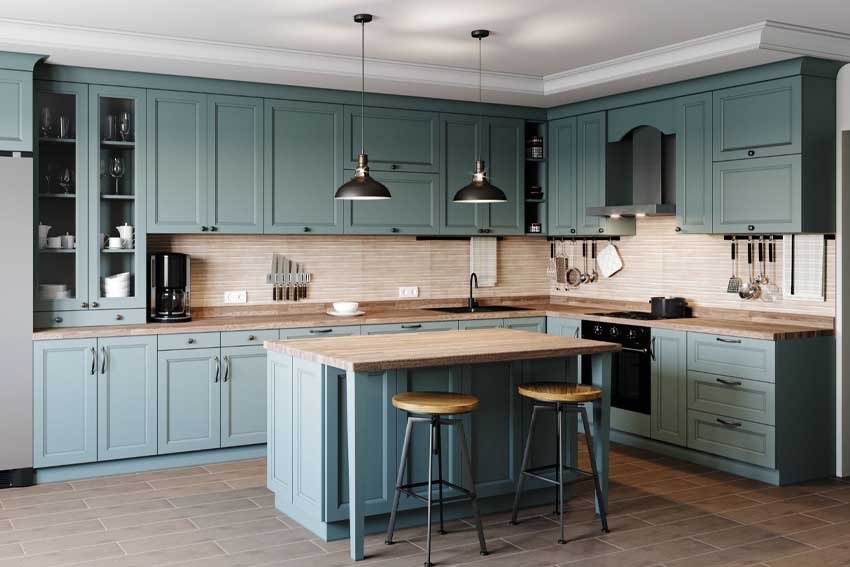
A timeless kitchen design focuses on thoughtful layouts before decorative details. Easy movement between cooking, cleaning, and storage areas makes everyday tasks feel less stressful. Durable countertops, quality cabinetry, and practical lighting continue delivering value year after year.
Neutral finishes don’t have to feel boring either. Warm wood textures, subtle stone surfaces, carefully chosen hardware, and layered lighting create depth without relying on flashy trends that may soon feel outdated.
When the kitchen supports both daily routines and special occasions, it becomes one of the most rewarding investments in the entire home.
Every Room Should Tell Your Story
One mistake many homeowners make is trying to recreate pictures they find online.
The problem is that those beautifully photographed rooms often belong to someone else’s lifestyle. Copying them exactly can leave your own home feeling strangely disconnected.
The best interiors reflect the people living inside them. Maybe that’s a reading nook overlooking the garden, a display wall filled with family travel memories, or a music room that encourages creativity after work.
Thoughtful designers understand this balance. They introduce professional expertise while making room for individual personality.
That’s exactly what creates personalized interiors that never feel staged or artificial. Instead of following someone else’s vision, the home gradually becomes a reflection of its owners’ habits, interests, and memories.
Ironically, those are usually the homes visitors remember most.
Quality Is Often Cheaper in the Long Run
Budgets always matter, and every renovation involves decisions about where to spend and where to save.
While it’s tempting to choose the lowest-priced option across every category, some features deserve a little extra investment. Cabinet hardware, flooring, countertops, plumbing fixtures, and frequently used storage systems experience daily wear. Better-quality materials generally last longer, require fewer repairs, and maintain their appearance much better over time.
On the other hand, decorative accessories, artwork, paint colours, and textiles can easily be updated later as personal tastes change.
Knowing where to invest—and where flexibility makes more sense—is often what separates a satisfying renovation from one that creates ongoing frustration.
Good Design Should Feel Effortless
Perhaps the greatest compliment any interior can receive isn’t that it looks expensive or luxurious.
It’s when someone walks in, relaxes almost immediately, and says, “This place just feels comfortable.”
Comfort isn’t accidental. It comes from thoughtful lighting, practical layouts, sensible storage, durable materials, balanced colours, and countless small design decisions that work together quietly behind the scenes.
Beautiful homes aren’t built by following every trend or buying the most expensive products available. They’re created through careful planning, honest conversations about lifestyle, and a willingness to prioritize function alongside beauty.
Years from now, fashionable colours will inevitably change. Design trends will evolve again, and new materials will appear on the market. Yet homes designed around genuine human needs continue feeling welcoming regardless of what’s currently popular.
In the end, that’s probably the real definition of great interior design. It doesn’t simply impress people for a moment—it improves everyday living, season after season, year after year.

