

Most people don’t think about their water until something starts bothering them.
Maybe the shower leaves your skin feeling dry. Maybe the dishes come out cloudy no matter how carefully you wash them. Or maybe you catch yourself buying bottled water every week because the kitchen tap just doesn’t taste right anymore.
It usually starts small like that.
The strange thing is how quickly we adapt to little inconveniences around the house. Humans are good at ignoring things that slowly become part of daily life. Water stains on the sink? Normal. Funny smell from the faucet some mornings? Probably nothing. Stiff laundry? Maybe it’s the detergent.
But eventually, those tiny frustrations pile up enough that people begin paying attention.
And honestly, once homeowners improve their water, they often wonder why they waited so long.
Water Shapes Everyday Comfort More Than We Notice
Water quietly touches almost every routine inside a home.
It’s there first thing in the morning when coffee brews in the kitchen. It runs through the shower before work. It washes clothes, cooks pasta, fills pet bowls, cleans dishes, and helps kids brush their teeth before bed.
Because it’s always present, we rarely stop to think about how much water quality influences comfort.
A friend of mine once moved into an older home with extremely hard water and spent months trying different shampoos because her hair constantly felt dry. Eventually she discovered the issue had very little to do with hair products at all. The water itself was the problem.
That kind of thing happens more often than people realize.
Why More Homeowners Are Looking Into Water Systems
Over the last few years, people have become far more aware of what they bring into their homes — food ingredients, air quality, cleaning products, and naturally, water too.
That’s probably why interest in home water systems has grown so much recently.
Homeowners aren’t necessarily searching for perfection. Most simply want water that feels reliable and comfortable to live with every day. They want fewer odors, better-tasting water, softer laundry, cleaner dishes, and appliances that don’t struggle with mineral buildup constantly.
And honestly, that’s reasonable.
Different homes need different solutions, though. A rural house using well water may face entirely different challenges than a suburban home connected to municipal water. Some households deal with heavy minerals. Others notice chlorine taste or sediment issues.
There’s no universal answer because water itself varies so much from place to place.
Water Treatment Isn’t Just About Drinking Water
When people hear the phrase water treatment, they often picture complicated equipment or industrial systems. But residential water treatment is usually much more practical than dramatic.
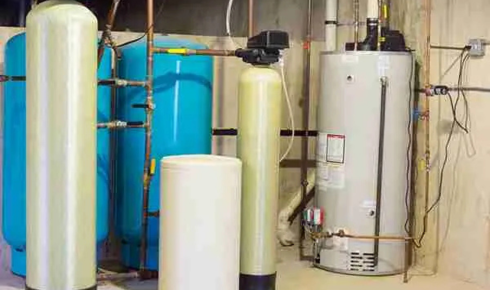
Sometimes it’s a simple filtration system under the sink. Other times it’s a whole-home setup designed to reduce minerals, sediment, or odors throughout the house.
The goal isn’t to create laboratory-grade water. It’s to improve everyday living.
And the improvements often show up in places homeowners don’t expect.
Showers feel gentler. Soap rinses more easily. Appliances operate more efficiently. Even morning coffee tastes cleaner somehow. Small changes ripple through ordinary routines in ways people notice surprisingly quickly.
I remember visiting relatives who installed a filtration system after years of dealing with strong sulfur odors from their well water. The first thing they mentioned wasn’t the equipment — it was how they’d finally stopped buying cases of bottled water every week.
That says a lot.
The Small Signs Your Water Might Need Attention
Water problems don’t always announce themselves loudly.
Sometimes the clues are subtle:
- White residue around faucets
- Dry skin after showering
- Metallic or chemical taste
- Stains in sinks or bathtubs
- Soap that doesn’t lather properly
- Cloudy glassware after washing
- Appliances wearing out too quickly
None of these automatically mean something dangerous is happening. But they often point toward mineral content, sediment, chlorine, or other water conditions worth understanding.
And honestly, most homeowners ignore these signs for years because life gets busy. Water simply becomes another background detail — until it starts affecting comfort too consistently to overlook.
Clean Water Feels Different in Everyday Life
There’s something quietly reassuring about turning on the kitchen faucet and fully trusting the water coming out.
Good clean water changes routines in subtle but meaningful ways. You drink more water naturally because it tastes fresh. Cooking feels easier. Ice cubes look clearer. Guests stop quietly asking for bottled drinks.
And then there are the things you stop noticing — the stains, odors, residue, and buildup that slowly disappear over time.
The interesting part is that many homeowners don’t realize how much low-level frustration they’ve adapted to until those annoyances are suddenly gone.
It’s a little like fixing background noise you stopped hearing years ago.
The Best Home Improvements Are Often the Quiet Ones
Not every worthwhile upgrade needs to be flashy.
Some improvements don’t show up in social media photos or impress visitors immediately. Better water falls into that category. It works quietly in the background, improving daily comfort one small interaction at a time.
And honestly, those kinds of improvements often end up being the most valuable long term.
Because home comfort usually comes down to ordinary things functioning well every single day — reliable heating, comfortable lighting, good air quality, and water that simply feels right.
At the end of the day, water is one of the foundations of home life. We rely on it constantly without fully thinking about it. So when homeowners finally invest in improving it, the difference tends to feel bigger than expected — not because it’s dramatic, but because it quietly improves so many parts of everyday living all at once.

