Most people don’t think much about their water until something starts feeling slightly wrong. It’s rarely dramatic. Usually, it’s small things piling up over time — cloudy dishes, dry skin after showers, strange smells from the tap, or coffee that suddenly tastes a little off even though you’re using the same beans you always have.
At first, those issues feel random. You blame the dishwasher, the soap, maybe even stress or weather. But eventually, you begin noticing a pattern.
Related analysis: Better Water at Home Starts With the Right System, Not a Guess
The water touches everything.
And honestly, once homeowners realize that, it changes how they think about their homes entirely.
Water Quality Shows Up in Everyday Life
There’s something easy to forget about water because it’s always there in the background. You turn on a faucet without thinking twice. You shower, wash clothes, cook dinner, fill the dog’s bowl — it all happens automatically.
Related analysis: The Everyday Comfort of Better Water at Home
But water quality quietly shapes those routines every single day.
Poor-quality water can leave mineral buildup on fixtures, dry out skin, reduce appliance efficiency, and affect the taste of food and drinks. Sometimes the signs are obvious. Other times, they creep in so gradually that people stop noticing them altogether.
I remember visiting a friend’s house years ago where every glass coming out of the dishwasher looked foggy. They assumed the appliance was failing. Turned out, the real issue had been hard water all along.
Related analysis: Better Water at Home Without the Endless Stack of Plastic Bottles
Funny enough, water problems often disguise themselves as something else.
Why Homeowners Are Paying More Attention Now
A few years ago, most homeowners only looked into filtration systems if they had obvious well-water issues. Today, it’s become far more common for people in regular suburban neighborhoods to explore water upgrades too.
Related analysis: A Smarter Way to Deal With Hard Water: How the Right System Can Make Home Life Easier
Part of that comes from awareness. Conversations around infrastructure, contaminants, and environmental changes have made people more curious about what’s actually flowing through their pipes.
But honestly, another part is simply comfort.
People invest in air purifiers, ergonomic chairs, healthier groceries, and better mattresses because they want their homes to feel healthier and easier to live in. Cleaner water fits naturally into that same mindset.
Related analysis: Why the Right Water Softener Can Make Everyday Life at Home Easier
And unlike trendy home gadgets that lose appeal after a few months, better water improves routines people repeat every day.
Hard Water Is More Annoying Than Dangerous
One of the most common household issues is mineral-heavy water. Calcium and magnesium aren’t usually harmful to drink, but they can make life frustrating in weirdly specific ways.
Soap refuses to lather properly. Towels become rough after laundry. Faucets collect chalky buildup. Water heaters lose efficiency because scale forms inside the tank over time.
That’s where water conditioning systems often come into play.
The goal isn’t necessarily to create “perfect” water. It’s more about reducing the everyday wear and tear minerals cause throughout a home. And once homeowners experience softer water, many realize how much discomfort they had quietly adapted to.
Showers feel different. Laundry feels softer. Cleaning becomes easier. Even skin irritation sometimes improves simply because harsh mineral exposure decreases.
None of those changes sound life-changing on paper, but together they make a noticeable difference.
Better Water Affects Taste More Than People Realize
People underestimate how much water influences flavor.
Coffee, tea, soups, pasta, even ice cubes — water sits at the center of all of it. So when there’s chlorine residue, excess minerals, or sediment present, those flavors change too.
Improving water quality often leads to surprisingly immediate improvements in taste. Coffee feels smoother. Drinking water tastes cleaner. Even cooking becomes more enjoyable because the ingredients aren’t competing against odd-tasting tap water anymore.
A relative of mine once switched to filtered water mainly because their kids hated drinking from the tap. Within a month, they had stopped buying bottled water almost entirely. Not because anyone forced the change, but because the water simply tasted better.
That’s the thing about good water — people naturally use more of it.
Filtration Isn’t One-Size-Fits-All
One mistake homeowners make is assuming there’s a universal solution for every water issue.
There isn’t.
Some homes mainly deal with sediment or chlorine. Others struggle with hard minerals, sulfur smells, or iron staining. Rural wells come with completely different challenges compared to municipal systems. That’s why proper testing matters before investing in equipment.
A quality water filtration setup should solve the actual problem instead of throwing expensive technology at issues that may not even exist.
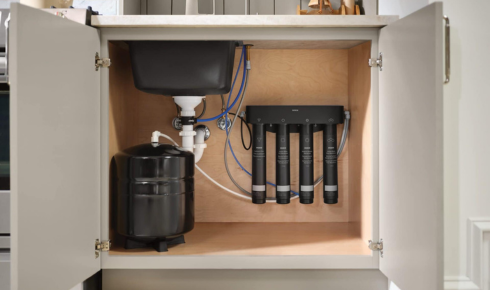
And honestly, the filtration industry can get overwhelming fast. Reverse osmosis, carbon systems, UV purification, softeners, conditioners — it’s easy for homeowners to feel buried in technical jargon.
But most people don’t need the fanciest system on the market. They just need the right one for their home.
Small Improvements Add Up Quietly
What’s interesting about cleaner water is how subtle the benefits feel after a while.
You stop noticing strange smells from the tap. Dishes stay clearer. Showers feel more comfortable. Appliances run more efficiently. And eventually, those improvements simply become normal.
That’s probably the best outcome possible.
Good water shouldn’t demand attention constantly. It should quietly support everyday life in the background without creating extra work, stress, or frustration.
Better Water Is Really About Comfort
At the end of the day, most homeowners aren’t chasing luxury when they improve their water systems. They’re chasing comfort, reliability, and peace of mind.
Cleaner water doesn’t just affect drinking glasses sitting on the kitchen counter. It affects showers before work, family dinners, laundry piles, and the lifespan of expensive appliances hidden in utility rooms.
And maybe that’s why more people are finally paying attention to it now. Because once you realize how deeply water shapes daily life, it becomes difficult to ignore the difference good water can make.