

Most of us trust the water coming out of our taps without thinking too much about it. We brush our teeth with it half asleep, boil pasta in it after work, and refill water bottles automatically before heading out the door.
It’s one of those invisible parts of modern life that quietly does its job in the background.
Until one day, something feels different.
Maybe the water suddenly smells stronger than usual. Maybe your coffee tastes oddly flat. Or maybe you notice cloudy residue building around faucets no matter how often you clean them.
That’s usually the moment people start paying attention.
Water Is Safe… But That Doesn’t Mean Perfect
In many cities, municipal water systems go through extensive treatment processes before reaching homes. The goal is simple: make water safe for public use by reducing harmful bacteria, contaminants, and microorganisms.
And honestly, that system deserves more credit than it usually gets.
Clean, accessible tap water is something many people take for granted until it becomes unavailable or unreliable. Compared to previous generations, modern households have access to remarkably convenient water systems.
Still, “safe” and “pleasant” are not always the same thing.
Water can technically meet health standards while still carrying strong chlorine odors, excess minerals, or sediment that affect how it tastes and feels in everyday use. That’s where many homeowners start noticing small frustrations around the house.
The Little Signs Most People Ignore
One thing about water issues is that they rarely appear dramatically. More often, they show up quietly through small annoyances people gradually adapt to.
Soap doesn’t lather properly anymore. The shower leaves skin feeling dry. Glasses come out of the dishwasher cloudy even after a full rinse cycle. Faucets develop chalky residue around the edges.
At first, most people blame cleaning products or appliances.
I remember a friend complaining that her expensive coffee machine “kept breaking” because it clogged repeatedly. Eventually, a technician pointed out the heavy mineral content in her home’s water supply. The appliance wasn’t defective at all — the water itself was slowly creating buildup inside the system.
Funny how often these things hide in plain sight.
Why Water Feels Different From One City to Another
If you’ve ever traveled somewhere and noticed your hair suddenly felt softer or your tap water tasted completely different, you’re not imagining it.
Water characteristics vary enormously depending on local infrastructure, treatment methods, pipe conditions, and natural mineral content. Some regions deal mostly with hard water. Others struggle with chlorine taste or sediment.
That’s why conversations about water quality can become confusing online. One homeowner swears their filtration system changed everything, while another says similar equipment did almost nothing.
Often, both experiences are valid because the underlying water conditions were completely different to begin with.
There’s no universal answer that fits every household.
Comfort Matters More Than People Admit
A lot of homeowners feel guilty talking about water comfort because they assume it sounds overly picky.
But honestly, comfort matters.
Water touches nearly every part of daily life — cooking, bathing, laundry, coffee, tea, washing vegetables, even watering plants. When something about the water feels slightly “off,” it quietly affects routines all day long.
That’s partly why interest in home water treatment systems has grown steadily in recent years. People aren’t necessarily trying to create laboratory-perfect water. Most simply want water that tastes cleaner, smells neutral, and feels better to use.
And once those small improvements happen, people notice quickly.
Better Water Quietly Improves Daily Life
One thing homeowners often say after improving their water setup is how many small frustrations suddenly disappear.
Shower doors stay cleaner longer. Towels feel softer. Coffee tastes smoother somehow. Dishes actually look clean coming out of the dishwasher instead of slightly foggy.
None of those changes sound dramatic individually, but together they shape how a home feels.
I knew someone who installed a basic filtration system after years of buying bottled water constantly. A month later, she admitted she hadn’t realized how much mental energy she spent avoiding her kitchen tap until she stopped thinking about it entirely.
That detail stuck with me.
Good water tends to disappear into the background in the best possible way.
Not Every Home Needs a Complicated Solution
The internet loves making water treatment sound overwhelming. Every advertisement promises “ultimate purification” or “perfect crystal water,” which honestly creates more confusion than clarity sometimes.
In reality, many homes only need relatively simple improvements.
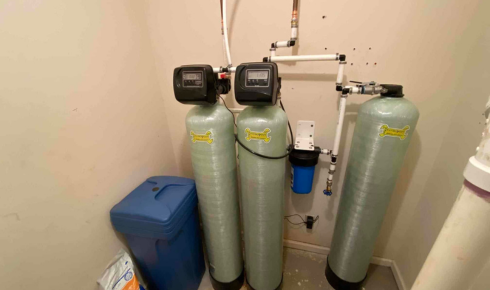
Some households benefit from sediment filters. Others need softening systems for mineral-heavy water. Certain homes only require better carbon filtration to reduce chlorine taste and odor.
The important part is understanding the actual issue before spending money blindly.
Because honestly, every home’s water story is slightly different.
Paying Attention to the Basics
At the end of the day, water is one of those things people rarely appreciate until it starts causing problems.
It’s easy to ignore when everything feels normal. But when taste changes, residue appears, or showers stop feeling comfortable, homeowners quickly realize how deeply water influences everyday life.
And maybe that’s why these conversations matter more now than they used to.
People want homes that feel comfortable, reliable, and healthy without turning basic routines into constant irritation. Water sits quietly at the center of all of that.
Not flashy. Not exciting.
Just important in ways we often forget until something changes.

