

Most people don’t think about water until something feels wrong.
That’s usually how it starts. A strange taste in the kitchen sink. White buildup collecting around faucets. Laundry that suddenly feels stiff no matter how much detergent you use. Maybe your morning coffee tastes a little flat, though you can’t quite explain why.
The odd thing is how quickly we adapt to these changes.
Humans are surprisingly good at normalizing inconvenience. We scrub harder, buy bottled water, replace appliances sooner than expected, and convince ourselves that maybe this is just how houses work. But sometimes the issue isn’t the dishwasher, the soap, or the coffee maker.
Sometimes it’s simply the water itself.
Water Is More Personal Than People Realize
I used to think water was basically the same everywhere. You turn on a tap and there it is. Simple.
Then I spent a week staying with relatives in a rural area where the water left orange stains around the bathtub and made shampoo nearly impossible to rinse properly. My skin felt dry the entire trip. They barely noticed anymore because they’d lived with it for years.
That experience changed how I think about household water.
Water affects everyday comfort in quiet, persistent ways. You feel it in showers, cooking, laundry, dishes, even the lifespan of appliances. It’s woven into routines so deeply that when something changes, life subtly changes with it.
The Problem With Ignoring Early Signs
One of the biggest mistakes homeowners make is assuming small water issues aren’t worth paying attention to.
But most problems build slowly.
Mineral-heavy water creates scale over time. Sediment gradually clogs fixtures. Hardness reduces appliance efficiency little by little until one day the water heater suddenly fails years earlier than expected. None of it feels dramatic while it’s happening.
That’s what makes water concerns tricky.
By the time people finally investigate, they’ve often spent months or years adjusting around the problem instead of addressing it directly.
Understanding What Water Conditioning Actually Means
A lot of homeowners hear the term water conditioning and immediately picture giant industrial systems or expensive equipment. But in reality, conditioning is often about balance more than complexity.
Different homes face different water conditions.
Some households deal with excessive minerals that create hard water buildup. Others struggle with sulfur smells, chlorine taste, sediment, or iron staining. Conditioning systems help adjust those issues so water behaves better throughout the home.
And honestly, the improvements can feel surprisingly noticeable.
Soap lathers more easily. Towels feel softer. Fixtures stay cleaner longer. Showers become more comfortable. It’s not flashy, but it changes the atmosphere of a home in subtle ways people appreciate almost immediately.
Why Testing Matters Before Buying Anything
One thing I’ve noticed is how quickly people jump into buying random filters without understanding the actual issue first.
Someone notices cloudy dishes and orders the first filtration system they see online. Another homeowner dislikes the taste of tap water and installs expensive equipment that may not even target the real problem.
Water isn’t one-size-fits-all.
That’s why testing matters so much. It identifies what’s actually happening instead of relying on guesswork. A home dealing with hard minerals needs a different solution than one facing sediment or chlorine concerns.
And honestly, testing often saves money because it prevents homeowners from chasing the wrong fix entirely.
The Role of Modern Water Filtration
Over the last decade, household water filtration systems have become far more common — and for good reason.
People want confidence in the water flowing through their homes. They want cleaner taste, fewer odors, reduced buildup, and better overall comfort. Filtration can help address many of those concerns when properly matched to the home’s needs.
But here’s the important part: not every filter solves every issue.
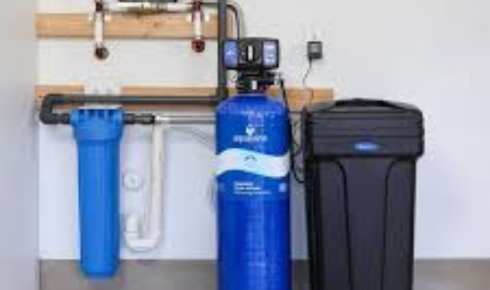
Carbon filters help reduce certain tastes and odors. Sediment filters handle particles and debris. Reverse osmosis systems target dissolved impurities. Water softeners address mineral hardness. Different systems serve different purposes.
That’s why understanding the source of the problem matters first.
Water Quality Isn’t Just About Drinking
When people hear conversations about water, they usually think about drinking safety immediately. That makes sense, of course. But household water influences much more than what goes into a glass.
It affects skin comfort. Plumbing lifespan. Appliance efficiency. Laundry softness. Even cleaning routines.
And beyond the practical side, there’s something emotional about it too.
Good water quality creates ease. You stop noticing water entirely because everything simply works the way it should. Dishes rinse clean. Coffee tastes normal. Showers feel refreshing instead of irritating.
Poor water keeps demanding attention.
And because water touches nearly every part of home life, those frustrations quietly accumulate over time.
Why Some Homes Struggle More Than Others
Not all water issues come from neglect. Geography plays a huge role.
Homes using private wells often experience different challenges than municipal systems. Certain regions naturally contain more minerals underground. Older plumbing may introduce corrosion or sediment concerns. Seasonal weather changes can even affect water behavior temporarily.
That’s why neighbors living only a few streets apart can have completely different experiences.
There’s no universal “perfect” system because every home has its own water story.
Small Improvements Create Daily Comfort
What fascinates me most is how much homeowners appreciate water improvements once they experience them.
Not because the changes are dramatic, but because daily life becomes easier in dozens of tiny ways. Less scrubbing. Better tasting coffee. Softer laundry. Fewer appliance issues. More comfortable showers.
The home simply feels calmer somehow.
And honestly, that’s probably the best way to describe good water. It doesn’t constantly demand your attention. It quietly supports everyday life in the background.
Paying Attention Before Problems Grow
The good news is that most household water concerns are manageable once identified properly.
Testing, conditioning, and targeted filtration systems can dramatically improve comfort and protect plumbing over time. The hardest part is usually recognizing that those small annoyances aren’t something you simply have to live with forever.
Because water shapes daily routines more than people realize.
And when it’s working properly, you may barely think about it at all — which, honestly, is probably exactly how it should be.

