Most homeowners spend a lot of time thinking about visible things — paint colors, flooring choices, kitchen upgrades, furniture layouts. Those are the details people notice immediately when they walk into a house.
But some of the most important parts of a home are completely invisible most of the time.
Related analysis: Good Water at Home Is One of Those Upgrades You Feel Every Day
Water is one of them.
Not just running water itself, but the quality of that water and the way it quietly interacts with plumbing systems, appliances, fixtures, and daily routines. Honestly, people usually don’t think much about it until something starts going wrong. A faucet stops flowing properly. Dishes come out cloudy. The water heater becomes noisy. Soap refuses to lather the way it should.
At first, these things seem small. Then they slowly become annoying enough that homeowners start asking questions.
Related analysis: Why the Right Water Softener Can Make Everyday Life at Home Easier
Hard Water Problems Tend to Build Slowly
One of the reasons water issues often go unnoticed is because they develop gradually. Unlike a burst pipe or flooding, poor water quality usually creates slow-moving problems people adapt to over time.
A little white residue around faucets. Slightly stiff laundry. Showerheads clogging more often than expected. None of these feel urgent individually.
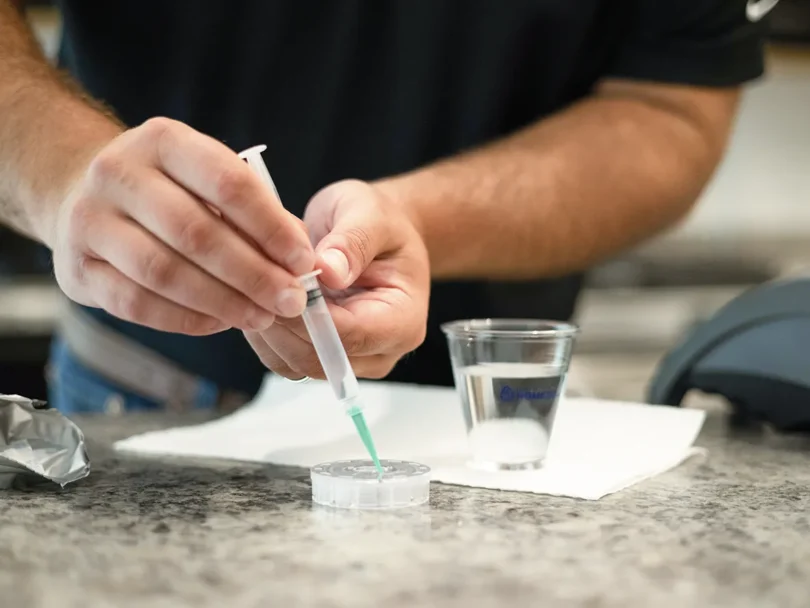
Related analysis: The Smartest Way to Improve Your Home’s Water Starts With Knowing What’s in It
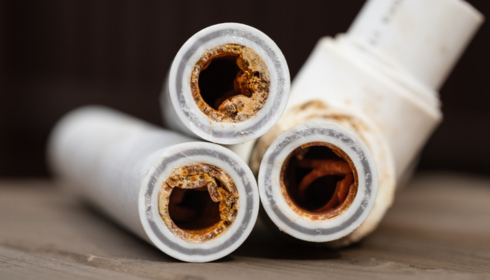
But behind the scenes, mineral buildup can quietly collect inside plumbing systems and appliances for years. Calcium and magnesium deposits slowly narrow pipes, reduce appliance efficiency, and create additional strain on water heaters, dishwashers, and washing machines.
The frustrating part is that homeowners often blame aging appliances without realizing water quality may actually be contributing to the problem.
And honestly, once scaling starts accumulating inside plumbing systems, it doesn’t magically disappear on its own.
Related analysis: Reliable Water Service Makes Home Life Feel Normal Again
Why Water Quality Matters More Than People Think
Most people assume clear water automatically means good water. But appearance only tells part of the story.
Actual water quality affects everything from cleaning performance to appliance lifespan and even personal comfort. Water with high mineral content often leaves skin feeling dry after showers and makes soap harder to rinse away completely. Hair may feel dull or rough. Glassware develops spots no matter how carefully it’s washed.
These issues sound cosmetic at first, but over time they become part of everyday frustration inside the home.
Related analysis: Why Softer Water Makes Home Life Feel Just a Little Easier
I remember visiting a friend who had recently installed a filtration and softening system after years of dealing with hard water. The first thing they mentioned wasn’t the plumbing — it was how much easier simple cleaning tasks suddenly felt. Shower doors stayed cleaner longer. Towels felt softer. Soap actually behaved normally again.
Funny enough, those subtle improvements are usually what homeowners notice first.
Appliances Work Harder Than They Should
Water heaters are often the first major appliances affected by poor water conditions. Mineral deposits settle inside tanks gradually, creating insulation between the heating elements and the water itself. That forces the system to use more energy to achieve the same result.
Over time, efficiency drops noticeably.
Dishwashers, coffee makers, washing machines, and refrigerators with water dispensers experience similar stress. Hard water scale slowly reduces performance while increasing wear on internal components.
The difficult part is that these systems usually continue functioning for a while, just less efficiently than before. Homeowners often don’t realize how much extra energy they’re using until repairs or replacements become necessary.
And unfortunately, replacing major appliances rarely feels cheap.
Prevention Usually Costs Less Than Repairs
A lot of home maintenance works this way. Small preventative steps quietly save people from larger expenses later.
That’s especially true when it comes to plumbing protection. Water treatment systems, regular maintenance, and occasional inspections help reduce long-term damage caused by mineral deposits and poor water conditions.
People sometimes hesitate because these upgrades don’t feel exciting. Nobody posts glamorous social media photos of their water softener setup. But practical improvements often provide the most consistent long-term value.
Protecting plumbing systems early can reduce leaks, improve water pressure, extend appliance lifespan, and help homeowners avoid expensive repairs years down the road.
And honestly, most people appreciate preventative maintenance a lot more after experiencing a major plumbing issue firsthand.
Modern Water Treatment Has Improved Dramatically
Years ago, water treatment systems had a reputation for being bulky, inefficient, or difficult to maintain. Technology has changed a lot since then.
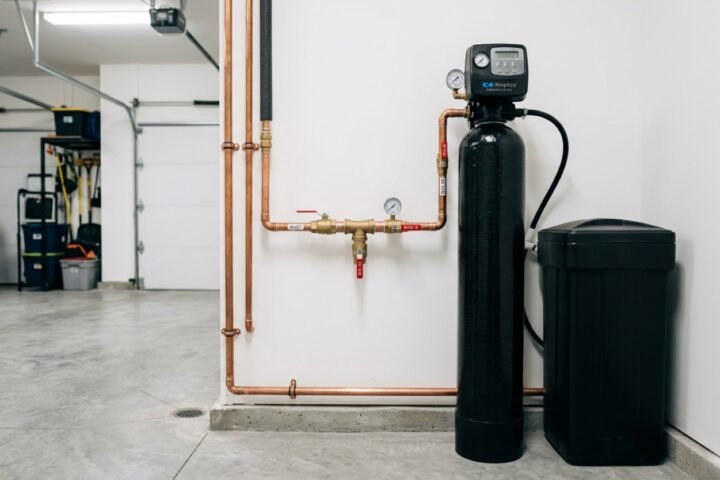
Modern filtration and softening systems are generally more compact, efficient, and easier to manage than older models. Some systems monitor water usage automatically. Others use less salt and water during regeneration cycles, making them more environmentally friendly as well.
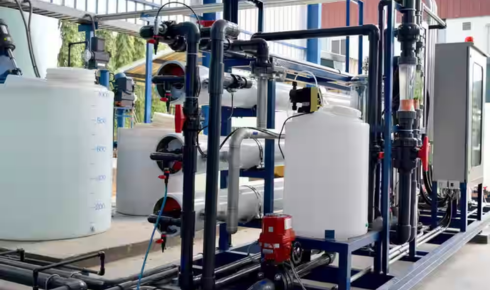
Homeowners today also have more options depending on their specific water concerns. Some focus primarily on softening. Others address chlorine, sediment, odors, or additional contaminants depending on local water conditions.
The goal isn’t perfection. It’s creating water that supports a healthier, more efficient home environment overall.
The Emotional Side of Home Comfort
People don’t always connect water quality with comfort, but the relationship is stronger than it seems. Comfortable homes aren’t built only through décor and renovations. They’re shaped by small daily experiences that either create convenience or quiet frustration.
Hot showers that feel pleasant. Laundry that feels soft. Appliances working reliably. Water pressure remaining consistent. These little things affect routines more than most homeowners realize.
And honestly, when those systems work properly, people barely notice them at all.
That’s probably the biggest compliment any home system can receive.
A Well-Maintained Home Feels Different
The truth is, homes age more gracefully when foundational systems receive proper attention. Plumbing, water quality, heating — these behind-the-scenes systems quietly determine how smoothly daily life functions over time.
Ignoring them often works temporarily. Until it doesn’t.
That’s why paying attention to water quality isn’t really about chasing perfection or luxury. It’s about reducing wear, protecting investments, and creating a home environment that feels reliable and comfortable day after day.
And sometimes, the smartest home improvements are the ones nobody notices immediately — because everything simply starts working the way it should.