

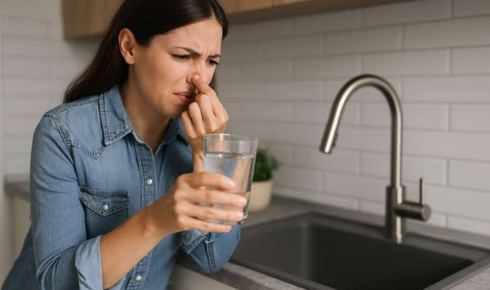
Water can be a little misleading. It may run clear from the tap and still carry things you’d rather not have in your home. Sometimes the signs are obvious, like grit in the sink or a rotten-egg smell from the shower. Other times, they’re quieter. A strange taste in coffee. Cloudy ice cubes. Stains that keep coming back even after a good scrub.
Most homeowners don’t think much about water until it becomes annoying. That’s normal. But when water starts affecting drinking, cleaning, bathing, or appliances, it’s worth paying attention. The problem may not be your dishwasher, your soap, or your cleaning routine. It may simply be the water itself.
The Small Particles You Can Actually See
Sediment is one of the more visible water problems. It can look like sand, dirt, rust flakes, or cloudy particles floating in a glass. Sometimes it settles at the bottom of sinks, tubs, toilet tanks, or washing machine filters. It may come from old pipes, well water, water main work, or natural minerals in the supply.
A proper sediment removal system can help catch these particles before they travel through the rest of the home. That matters because sediment doesn’t just look unpleasant. It can also clog faucet aerators, reduce water flow, affect appliances, and make filters wear out faster than expected.
If you’re constantly rinsing grit from fixtures, that’s not something you should have to accept as normal.
That Rotten-Egg Odor Nobody Likes
Few water issues get attention faster than a bad smell. If water smells like rotten eggs, especially when hot water is running, sulfur may be involved. This odor can make showering uncomfortable and drinking from the tap almost impossible.
The sulfur smell is commonly linked to hydrogen sulfide gas or certain bacteria in water systems, especially in some well water situations. It doesn’t always mean the water is unsafe, but it absolutely makes daily life unpleasant. Nobody wants to brush their teeth or fill a cooking pot with water that smells wrong.
Treatment depends on the source and severity of the odor. In some homes, filtration or oxidation systems may help. In others, the water heater or plumbing may need inspection too.
Water Can Carry More Than You Notice
Not every problem has a taste, smell, or visible sign. Some substances can be present without making the water look unusual. That’s why testing is important, especially for homes with wells, older plumbing, or ongoing water quality concerns.
Different water contaminants can affect taste, odor, appearance, and overall confidence in what comes from the tap. These may include minerals, chlorine byproducts, metals, sediment, bacteria, or naturally occurring compounds depending on the water source.
The point isn’t to panic. It’s to understand. Once you know what is actually in the water, choosing the right treatment becomes much easier and more accurate.
Why Guessing Usually Costs More
A lot of people try to solve water problems by guessing. They buy a pitcher filter, change the showerhead, use stronger cleaners, or install a basic filter from the hardware store. Sometimes that helps a little. Sometimes it doesn’t touch the real issue at all.
For example, a simple carbon filter may improve taste but won’t necessarily remove heavy sediment. A sediment filter may catch particles but won’t always solve odor. A water softener can reduce hardness, but it may not handle sulfur or certain contaminants.
That’s why a water test should come before buying equipment. It gives you a clear starting point instead of turning water treatment into trial and error.
The Right System Depends on the Problem
Water treatment is not one-size-fits-all. A home with sandy well water may need a different setup than a house dealing with chlorine taste from city water. A property with sulfur odor may require a different approach than one with iron staining or hard water scale.
Some homes need point-of-entry treatment, meaning water is treated as it enters the house. Others may need a drinking water system at the kitchen sink. Many need a combination of solutions to handle more than one issue.
A professional assessment can help match the system to the actual water conditions, household size, plumbing layout, and maintenance needs. The best system is not always the most expensive one. It’s the one that solves the right problem reliably.
Better Water Makes the Whole Home Feel Cleaner
When water problems are handled properly, the difference is easy to live with. The water tastes better. The shower doesn’t smell strange. Grit stops showing up in sinks. Appliances deal with cleaner water. Filters last longer. Cooking and drinking feel more comfortable.
These changes may seem simple, but they touch daily life again and again. Water is used constantly, so even small improvements make the home feel easier to manage.
Don’t Ignore What Your Water Is Telling You
Clear water is not always problem-free water. If you notice particles, odors, staining, cloudy water, strange taste, or repeated appliance issues, your water may be giving you clues.
The smart move is to test it, understand it, and treat it properly. Better water doesn’t just improve the glass you drink from. It helps protect your home, supports your appliances, and makes everyday routines feel a little cleaner.
And honestly, water should not be something you have to worry about every time you turn on the tap.

