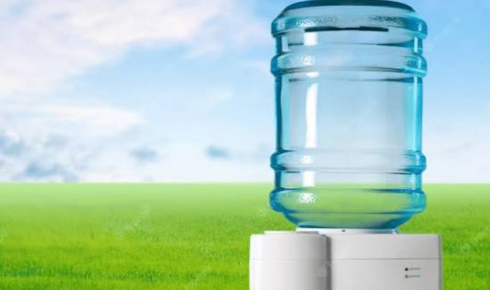
There’s something oddly familiar about opening the fridge and seeing a row of plastic water bottles sitting there. For a lot of families, it feels normal now. Grab one before work. Pack one in a lunchbox. Keep a case in the garage “just in case.” It’s convenient, sure, but after a while the habit starts to feel a little silly. Expensive too.
And then there’s the question nobody really wants to think about while holding a half-empty bottle in the car cup holder: is this the best way to get better drinking water at home?
Related analysis: Better Water at Home Without the Endless Stack of Plastic Bottles
For many households, the answer is no. Good drinking water doesn’t have to come from a plastic bottle, and it doesn’t need to take over the whole kitchen either. A small, well-chosen filtration setup can make daily life easier, cleaner, and honestly, a bit more sensible.
Why Tap Water Sometimes Needs Extra Help
Most tap water is treated before it reaches your home, but that doesn’t mean it always tastes the way people want it to. Some homes deal with chlorine taste. Others notice a slight smell, cloudy appearance, or an aftertaste that makes plain water less appealing. In older houses, plumbing can also play a part in what comes out of the faucet.
Related analysis: A Simpler Way to Drink Better Water and Use Less Plastic
That’s usually when people start buying bottled water. It feels like a quick fix. No installation, no testing, no thinking. Just buy a case and move on.
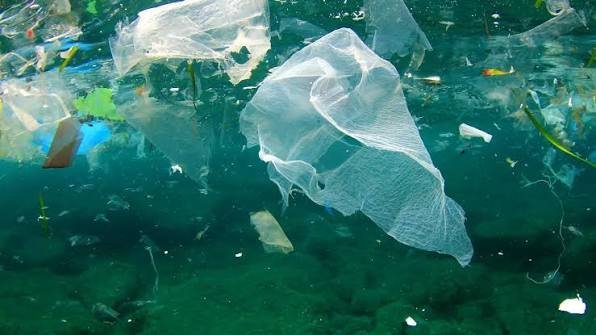
But quick fixes have a way of becoming permanent habits. Week after week, bottle after bottle, the cost adds up. So does the waste. And even if recycling is part of the routine, hauling heavy cases of water from the store is not exactly anyone’s favorite household chore.
Related analysis: Better Water at Home Starts With the Right System, Not a Guess
A Smarter Spot for Filtration
For homeowners who want cleaner drinking water without using countertop space, under sink systems can be a practical option. These systems are installed beneath the kitchen sink and usually connect to a dedicated faucet or the main cold-water line, depending on the setup.
The appeal is pretty simple. The filter stays hidden, the counter stays clear, and filtered water is available whenever you need it. No pitcher to refill. No bulky dispenser in the fridge. No last-minute run to the store because the bottled water is gone again.
It’s one of those home upgrades that doesn’t shout for attention. It just quietly makes the kitchen work better.
Related analysis: The Quiet Signs Your Home Water Is Telling You (But You Might Be Ignoring)
The Everyday Convenience Factor
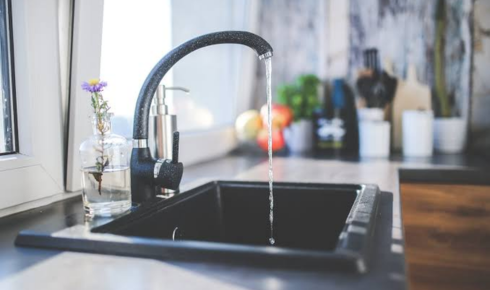
A good drinking water system changes small routines. You fill a glass straight from the tap. You make coffee without worrying about odd taste. You cook pasta, wash vegetables, make ice cubes, and fill reusable bottles before leaving the house.
These are not dramatic changes, but they are the kind people actually feel. When water tastes better, families tend to drink more of it. Kids may reach for water instead of sugary drinks. Guests notice it too, even if they don’t say much beyond, “This water tastes nice.”
Related analysis: The Smartest Way to Improve Your Home’s Water Starts With Knowing What’s in It
That kind of convenience matters. Especially in a busy home where nobody wants another complicated thing to maintain.
Moving Away from Bottled Water
One of the biggest reasons people consider a filtration system is to find a bottled water alternative that feels just as convenient. Not everyone wants to give up bottled water because of environmental guilt alone. Often, they just want something easier and less wasteful.
Filtered water at home can reduce the need for single-use plastic, lower ongoing spending, and free up storage space. No more cases stacked in the pantry. No more empty bottles collecting in the car or beside the trash bin. It sounds minor, but these little annoyances are part of daily life.
Of course, bottled water may still be useful for emergencies or travel. But for everyday drinking, cooking, and coffee making, many families find that a home system is more practical in the long run.
What Should a Good System Remove?
This is where water testing becomes useful. Different homes have different concerns, so the right system depends on what is actually in the water. Some filters focus mainly on chlorine taste and odor. Others are designed to reduce sediment, lead, volatile organic compounds, or other unwanted substances.
Systems using advanced filtration may include multiple stages, such as carbon filtration, reverse osmosis, or specialty media depending on the water issue. The goal is not to buy the most complicated product available. The goal is to match the system to the water.
That’s an important difference. A family dealing with taste and odor may not need the same setup as someone concerned about dissolved solids or older plumbing. A professional water test or reliable home test can help narrow things down.
Maintenance Should Be Simple
One concern people have is upkeep. Nobody wants a system that becomes another forgotten household problem. Thankfully, most under-sink drinking water systems are fairly straightforward. Filters need to be changed on a schedule, and some systems may require occasional checks, but it’s usually manageable.
The key is choosing a system with replacement filters that are easy to find and instructions that make sense. A great system is only useful if it is maintained properly. Ignore the filter for too long, and performance can drop.
A calendar reminder helps. Not fancy, but effective.
Better Water, Less Fuss
Clean drinking water should not feel like a luxury or a weekly errand. It should be easy to reach, pleasant to drink, and practical for the way your household actually lives.
An under-sink filtration system may not be the flashiest upgrade in the kitchen, but it can quietly improve a lot of everyday moments. Morning coffee tastes cleaner. Reusable bottles get filled without a second thought. Dinner prep feels simpler. The fridge has more room. The recycling bin fills a little slower.
Sometimes the best home improvements are like that. Not dramatic. Not showy. Just useful, day after day, every time someone turns on the tap.