

There’s something quietly fascinating about how modern medicine has evolved. Not in a loud, dramatic way—but in small, steady improvements that patients actually feel in their recovery. Shorter hospital stays. Less pain. Faster return to normal life. It’s the kind of progress you don’t always notice until you compare it with how things used to be.
Vascular care is one of those areas where this change is especially visible. The way doctors treat blocked arteries, weak vessels, and circulation issues today is very different from even a decade ago. And at the center of it all is a balance between traditional surgery and newer, less invasive techniques.
A Less Invasive Approach to Treating Blood Vessels
One of the biggest advancements in this field is the rise of Endovascular Procedures. Instead of large incisions and open access to the body, these methods use tiny entry points—usually through the groin or arm—to reach the problem area internally.
It sounds almost delicate when you think about it. And that’s exactly the point. These procedures are designed to reduce trauma to the body while still achieving highly precise results.
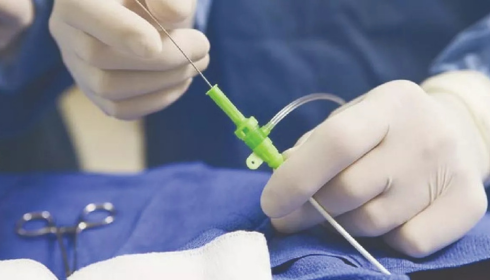
endovascular procedures are commonly used to treat conditions like aneurysms, arterial blockages, and narrowed blood vessels. A thin tube called a catheter is guided through the bloodstream, and tools like stents or balloons are used to restore proper flow.
What makes this approach so widely adopted is the recovery experience. Patients often feel better sooner, with less discomfort and fewer complications compared to traditional surgery. It’s not just a technical upgrade—it’s a shift in how healing itself is experienced.
Inside the World of Catheter-Based Precision
Closely connected to this evolution are Minimally Invasive Catheter-Based Interventions, which have become a cornerstone of modern vascular treatment.
These procedures rely on advanced imaging and flexible instruments that can navigate through blood vessels with incredible accuracy. It’s almost like sending a guided tool through the body’s internal highway system to fix issues from the inside out.
minimally invasive catheter-based interventions are used not only for treatment but also for diagnosis. Doctors can locate blockages, measure blood flow, and even repair certain conditions in the same session.
The interesting part is how routine some of these procedures have become. What once required major surgery can now often be done with a small puncture and a short recovery period. For patients, that means less fear going into treatment and a quicker return to everyday life afterward.
There’s also a practical side to it—shorter hospital stays, lower risk of infection, and reduced strain on the body. It’s one of those medical advancements that quietly improves everything around it.
When Traditional Surgery Is Still Necessary
Even with all these advancements, there are situations where Open Surgical Procedures remain essential.
Unlike minimally invasive techniques, open surgery involves larger incisions to give surgeons direct access to the affected area. It may sound more intense—and in some ways, it is—but it’s still a critical part of modern vascular treatment.
open surgical procedures are often used when conditions are too complex for catheter-based approaches or when a more direct repair is needed. This can include major arterial reconstructions or emergency interventions where speed and full visibility are crucial.
What’s important to understand is that open surgery is not “old-fashioned” in a negative sense. It’s simply another tool in a broader medical toolkit. Surgeons choose the method based on what gives the patient the safest and most effective outcome.
And in many cases, open surgery is combined with newer techniques, creating hybrid approaches that blend precision with accessibility.
A Patient-Centered Shift in Modern Medicine
What really stands out across all these methods is how patient experience has become central to decision-making. It’s no longer just about fixing the problem—it’s about how the patient feels before, during, and after treatment.
Doctors now weigh multiple factors: recovery time, long-term outcomes, risk levels, and even emotional stress. That shift has led to more personalized treatment plans instead of one-size-fits-all solutions.
Patients today are also more informed. Many come into consultations already aware of options like catheter-based treatments or minimally invasive techniques, which changes the conversation in a positive way. It becomes a partnership rather than a one-sided decision.
Recovery Is No Longer an Afterthought
One of the biggest changes in vascular care is how recovery is treated as part of the procedure itself, not just something that happens afterward.
With minimally invasive methods, recovery can be surprisingly quick. Patients often return to walking within hours or days instead of weeks. Even in cases requiring open surgery, improvements in anesthesia, monitoring, and post-operative care have made the process much smoother than before.
It’s a shift that matters deeply in real life. Faster recovery means less disruption to work, family, and everyday routines. And that, in many ways, is just as important as the procedure itself.
A Future Built on Precision and Choice
If there’s one direction vascular medicine is clearly moving toward, it’s flexibility. There isn’t just one way to treat a condition anymore. Instead, doctors can choose from a range of options—from minimally invasive catheter-based techniques to advanced endovascular solutions and, when needed, open surgical repair.
That variety is powerful. It means treatment can be tailored more closely to each patient’s condition, lifestyle, and risk factors.
And at the heart of it all is a simple goal: better outcomes with less burden on the body.
Medicine may continue to evolve, but that goal is likely to stay the same—helping people heal in ways that feel safer, faster, and more human.

