There’s a particular kind of exhaustion that comes from traveling too fast. You know the feeling—running from one tourist spot to another, ticking off lists, clicking photos you barely look at later. It feels productive in the moment, but strangely empty once you’re back home.
For years, that was the norm. Travel meant covering as much ground as possible in as little time as you could manage. But quietly, almost gently, a different approach has been gaining ground.
Related analysis: Travel Plans Feel Different Now: Why Insurance Is Becoming Part of the Journey
One that asks you to slow down.
The Problem With Always Being in a Hurry
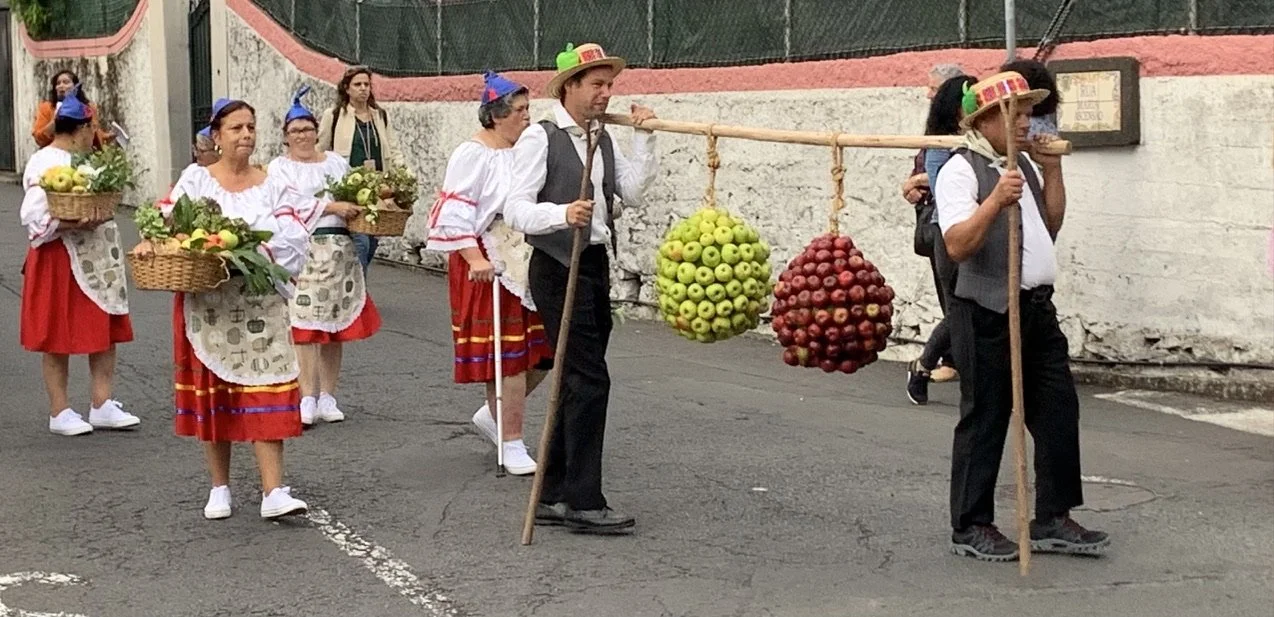
Fast tourism, as people are starting to call it, is built around speed and volume. More destinations, more experiences, more everything.
But in trying to see everything, we often end up experiencing very little.
Related analysis: When the Usual Getaways Feel Too Crowded: Finding Quiet Corners Near India’s Tier-2 Cities
You might visit five cities in a week, but how much do you really remember? A café you rushed through? A street you barely noticed because you were already thinking about the next stop?
It’s not that fast travel is wrong—it just doesn’t leave much room to breathe.
Related analysis: Better Water at Home Without the Endless Stack of Plastic Bottles
What Slow Travel Actually Feels Like
The idea behind the Slow Travel Movement isn’t complicated. Stay longer in one place. Move less. Experience more.
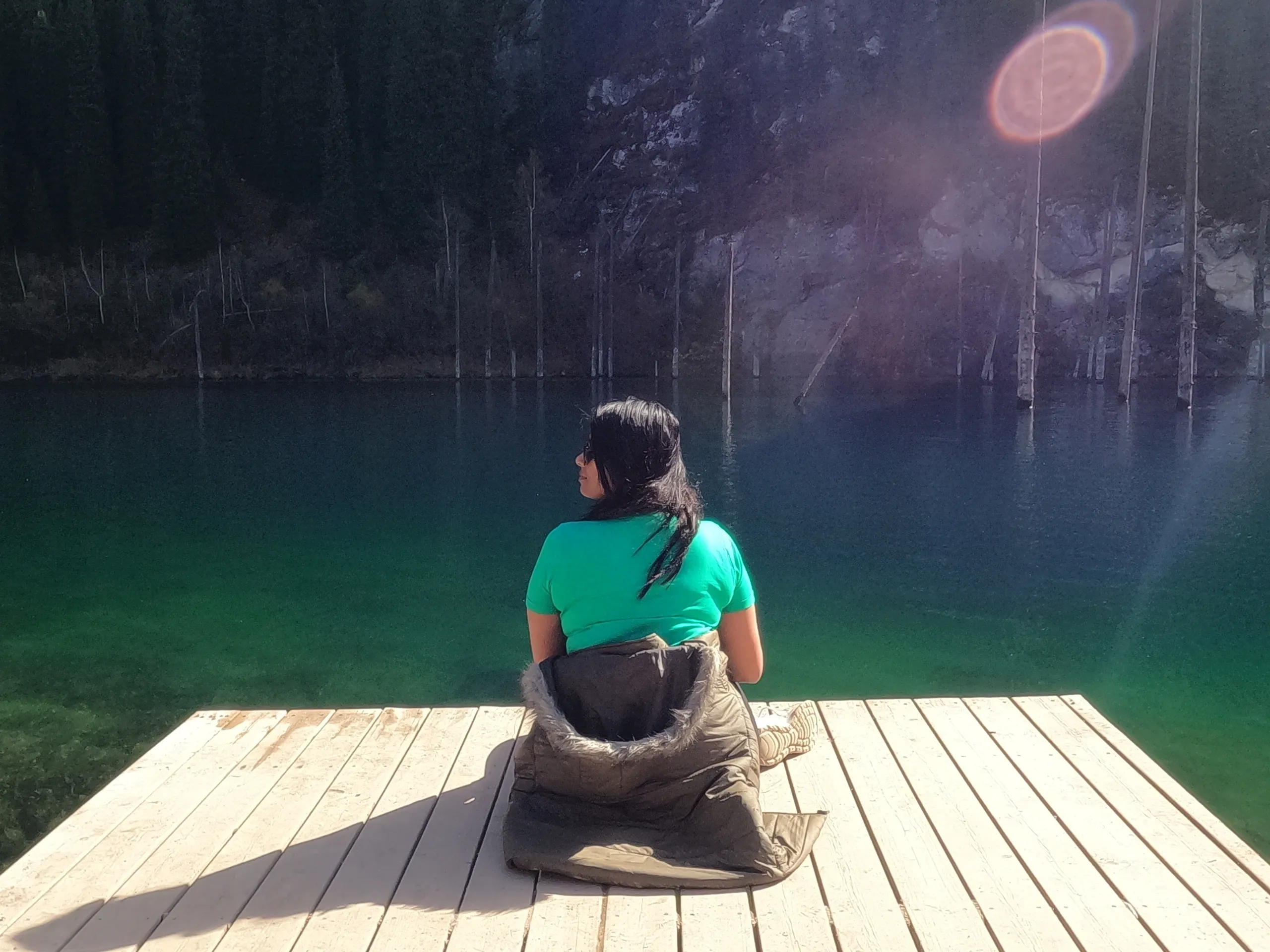
Instead of hopping between cities, you spend days—or even weeks—in a single destination. You walk instead of rush. You revisit the same café. You learn the rhythm of a place rather than just observing it.
Related analysis: Finding Plumbing Problems Early: What Homeowners Should Know Before Calling a Plumber
And something interesting happens when you do that.
The place starts to feel less like a destination and more like… a temporary home.
It’s Less About Sightseeing, More About Living
When you slow down, your priorities shift.
You’re not chasing landmarks anymore. You’re noticing small things—a local bakery that opens early, the way people greet each other, the quiet corners tourists rarely reach.
Related analysis: Better Water Starts with Better Decisions: A Homeowner’s Guide to Cleaner, Healthier Water
You might spend an afternoon doing nothing in particular. Sitting in a park, watching life unfold. And oddly, those moments often stay with you longer than any famous monument.
Because they feel real.
A Different Kind of Connection
One of the unexpected benefits of slow travel is the connection it creates.
Not just with places, but with people.
When you’re not constantly on the move, you have time to talk—to shop owners, to locals, to fellow travelers. Conversations happen more naturally. You’re not rushing off to the next thing.
And those interactions add depth to your experience.
Travel stops being a checklist and starts becoming a story.
The Environmental Side of Things
There’s also a quieter, more responsible angle to this approach.
Frequent flights, constant movement, over-tourism—it all has an impact. Slowing down reduces that footprint, even if just a little.
Staying longer in one place means fewer resources used in transit. Supporting local businesses instead of tourist-heavy chains makes a difference too.
It’s not about being perfect. Just more mindful.
Why This Shift Is Happening Now
Part of it is fatigue. People are tired of rushing, not just in travel but in life overall.
There’s also a growing awareness that experiences matter more than volume. That it’s okay to see less if it means feeling more.
And maybe, after everything the world has gone through in recent years, there’s a deeper appreciation for time itself.
Fast Tourism Still Has Its Place
Let’s be fair—fast travel isn’t going anywhere.
There are times when you only have a few days, and you want to make the most of it. That’s valid. Not everyone can afford to slow down, financially or otherwise.
But the idea of Fast tourism ka alternative is gaining traction because it offers a different kind of value.
It’s not about replacing one with the other. It’s about having a choice.
How to Try It Without Overthinking
You don’t need to completely change your travel style overnight.
Start small.
Maybe instead of planning five destinations, you pick two. Spend a little extra time in each. Leave some space in your itinerary—unplanned hours where you just see what happens.
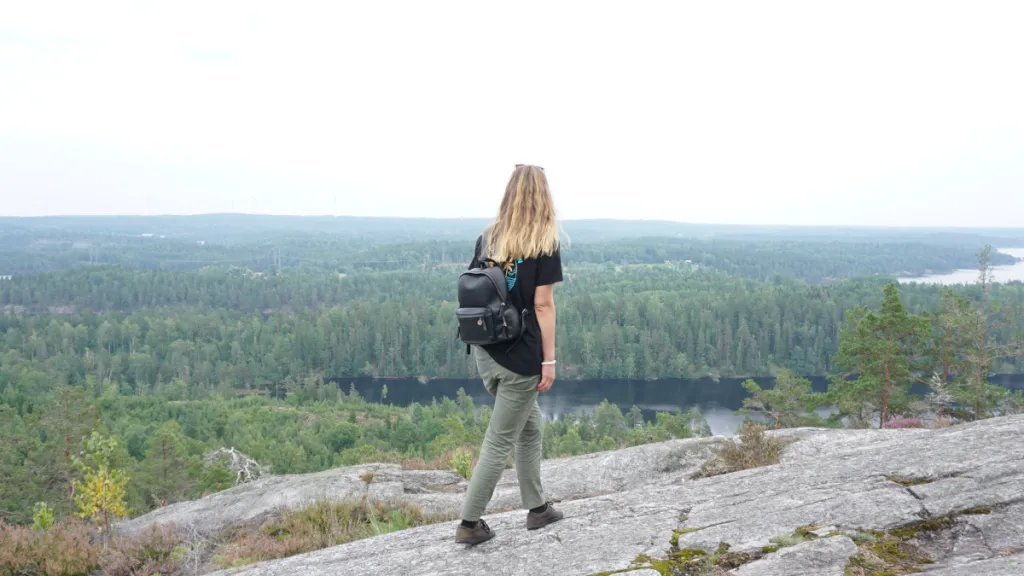
Walk more. Sit more. Observe.
It might feel strange at first, especially if you’re used to constant movement. But give it time.
The Quiet Joy of Doing Less
There’s something surprisingly satisfying about slowing down.
You notice details you would’ve missed. You feel less rushed, less pressured to “make the most” of every second.
And somehow, by doing less, you end up experiencing more.
It’s not louder. It’s not more exciting in the traditional sense. But it’s deeper.
A Thought to Carry With You
Travel doesn’t have to be about how much you see.
It can be about how much you feel.
The places that stay with us aren’t always the ones we rushed through. They’re the ones we lived in, even if just for a short while.
So maybe next time you plan a trip, leave a little room for slowness.
You might be surprised by what you find—not just in the place you’re visiting, but in yourself too.