When people walk into a finished commercial space, they tend to notice the obvious things first. The lighting feels warm. The office layout makes sense. The café atmosphere feels comfortable. Everything appears polished and functional without much effort.
What nobody really sees are the systems hidden behind walls and ceilings making all of that possible.
Related analysis: Why Reliable Plumbing Is One of the Most Important Investments for Any Home
Electricity is one of those things we completely depend on while barely thinking about it. We expect power to work instantly every time we flip a switch, plug in equipment, or open a business for the day. And honestly, that expectation only grows stronger as modern buildings become more connected and technology-heavy.
But behind that convenience sits an enormous amount of planning, coordination, and technical work most people never witness directly.
Related analysis: Reliable Water Service Makes Home Life Feel Normal Again
Modern Commercial Spaces Demand More Than Ever
Commercial buildings today carry significantly heavier electrical demands than buildings constructed decades ago.
Offices operate servers, computers, video conferencing systems, climate control, security infrastructure, and endless charging stations simultaneously. Restaurants rely on refrigeration, digital ordering platforms, payment terminals, and kitchen equipment all running together for long hours every day.
Related analysis: A Warmer, Smarter Home Starts With the Right Heating Choices
Even smaller businesses now consume far more electricity than older infrastructure was originally designed to handle.
That growing demand means electrical planning can’t simply be treated as another checkbox during construction anymore. It affects how smoothly the building functions long after the project finishes.
Related analysis: The Smartest Way to Improve Your Home’s Water Starts With Knowing What’s in It
And honestly, many property owners only realise the importance of proper planning after they experience the consequences of shortcuts later.
Why Early Planning Matters So Much
One of the most valuable stages in any construction project happens before walls are finished and ceilings are sealed.
Related analysis: Good Water at Home Is One of Those Upgrades You Feel Every Day
At that point, contractors still have the freedom to think carefully about future needs instead of reacting to problems later. Power loads can be balanced properly. Equipment locations can be planned realistically. Expansion possibilities can be considered before infrastructure becomes difficult to modify.
That’s where quality wiring installation makes such a difference.
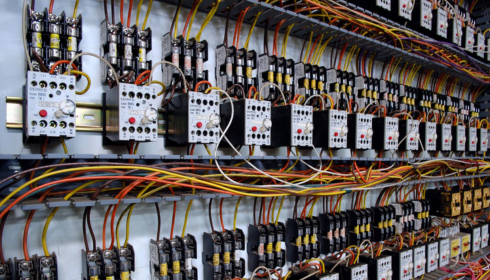
People often assume wiring simply means “running cables,” but there’s far more involved than most realise. Cable sizing, routing, protection, load distribution, accessibility, and future capacity all affect how reliable the building will feel years later.
And unlike paint colours or furniture layouts, electrical mistakes hidden inside walls are rarely simple or cheap to correct once construction is complete.
Good Electrical Systems Create Invisible Comfort
The interesting thing about electrical infrastructure is that success often looks completely invisible.
Nobody walks through an office admiring the distribution boards. Customers rarely compliment a restaurant’s power management. Employees don’t usually think about how stable the building’s circuits are while working.
People simply notice whether the environment feels smooth and dependable.
Well-designed electrical systems create that reliability quietly in the background. Equipment powers up normally. Lights remain stable. Internet infrastructure stays consistent. Staff can focus on work instead of dealing with interruptions caused by overloaded circuits or unstable power supply.
It sounds simple when everything functions properly.
But once systems begin struggling, even small electrical problems can affect productivity, customer experience, and daily operations surprisingly quickly.
Commercial Construction Brings Different Challenges
There’s a major difference between residential work and large-scale commercial projects.
Commercial spaces usually involve more complicated layouts, stricter safety requirements, larger power loads, and heavier operational pressure overall. A minor electrical issue at home might feel inconvenient. In a business environment, downtime can immediately affect revenue and workflow.
That’s why commercial builds require careful coordination between electricians, architects, engineers, contractors, and business owners from the beginning.
One small design decision can create long-term operational consequences.
For example, poorly planned outlet placement might seem minor during construction. But once offices fill with employees or retail spaces become operational, inconvenient layouts often lead to extension cords, overloaded circuits, and awkward workarounds people never originally intended.
The same applies to lighting design, equipment placement, backup systems, and future expansion planning.
Good commercial electrical work isn’t only about making a building functional today. It’s about making sure the building continues functioning efficiently years down the line as demands evolve.
Energy Efficiency Has Become a Bigger Priority
Electricity costs have changed how businesses approach construction planning in recent years.
Efficiency is no longer treated as an optional feature reserved for luxury projects. Many businesses now see energy-conscious electrical design as part of long-term operational planning.
Modern systems often include LED lighting, automated controls, efficient load distribution, and infrastructure designed to reduce unnecessary energy waste without affecting daily functionality.
The interesting thing is that efficient systems usually improve reliability too.
Balanced electrical loads reduce strain on components. Better planning lowers maintenance issues. Updated infrastructure handles modern equipment more comfortably overall.
And honestly, businesses appreciate consistency just as much as savings.
The Best Infrastructure Often Stays Out of Sight
There’s something quietly satisfying about entering a building where everything simply works naturally.
The lights feel comfortable. Equipment operates smoothly. Staff can work without interruptions. Customers don’t experience technical frustrations. Nobody stops to think about the power systems because there’s no reason to.
That’s probably the clearest sign quality electrical work was done properly in the first place.
Good electrical infrastructure rarely demands attention afterward. Instead, it quietly supports everything happening around it while staying hidden behind finished walls and polished ceilings.
And maybe that’s the real purpose of thoughtful commercial construction — creating spaces where businesses can focus entirely on their work without constantly worrying about the systems supporting it in the background.
Because when buildings function properly, people rarely think about the wiring behind them at all.
They simply trust it to keep working tomorrow.