Most people don’t think much about water until something feels wrong. Maybe the dishes come out cloudy no matter how carefully they’re washed. Maybe the shower leaves your skin dry, or there’s a stubborn white residue around every faucet that seems impossible to scrub away completely.
At first, these things feel small. Easy to ignore. But eventually they start adding up, and homeowners begin realizing water quality quietly affects far more of daily life than they ever expected.
Related analysis: Why the Right Water Softener Can Make Everyday Life at Home Easier
The funny thing is, water touches nearly everything we do at home. Cooking dinner, making coffee, washing clothes, taking showers, cleaning the kitchen — it’s woven into everyday routines so naturally that we barely notice it until problems appear.
And when the water improves, surprisingly, the whole house feels different too.
Related analysis: Reliable Water Service Makes Home Life Feel Normal Again
Hard Water Is More Common Than People Realize
A lot of households deal with hard water without fully understanding what it means. In simple terms, hard water contains high levels of dissolved minerals like calcium and magnesium. Those minerals aren’t necessarily dangerous, but they can create all kinds of frustrating side effects around the home.
Soap becomes harder to rinse. Glassware develops spots. Appliances collect mineral buildup over time. Water heaters work less efficiently because scale slowly forms inside the tank.
Even things like hair and skin can feel different.
What makes hard water tricky is how slowly the symptoms develop. Most homeowners don’t wake up one day to a disaster. Instead, small annoyances quietly grow over months or years until they become impossible to ignore.
Related analysis: Why Softer Water Makes Home Life Feel Just a Little Easier
And honestly, by then many people are already spending extra money on cleaning products, appliance repairs, or bottled water without realizing the root issue started with untreated water.
Softer Water Changes Everyday Comfort
The first time people experience properly treated soft water, the difference often catches them off guard.
Showers feel smoother somehow. Soap lathers properly again. Towels stay softer after laundry day. Faucets remain cleaner longer because mineral residue doesn’t build up as aggressively.
Related analysis: The Quiet Signs Your Home Water Is Telling You (But You Might Be Ignoring)
It’s not dramatic in a flashy way. More subtle than that.
Many homeowners describe it as the house simply feeling easier to maintain. Cleaning takes less effort. Dishes look clearer. Laundry feels fresher. Even small routines, like washing your hands or making coffee in the morning, become slightly more pleasant.
And those little improvements matter because they happen every single day.
Related analysis: A Smarter Way to Deal With Hard Water: How the Right System Can Make Home Life Easier
Water Quality Affects Appliances Too
One part of the conversation people often overlook is how much untreated water impacts plumbing and household equipment behind the scenes.
Mineral-heavy water slowly coats the inside of pipes, dishwashers, coffee makers, and washing machines. Water heaters especially struggle because scale buildup forces them to work harder to heat the same amount of water.
Over time, efficiency drops. Energy costs rise. Repairs become more frequent.
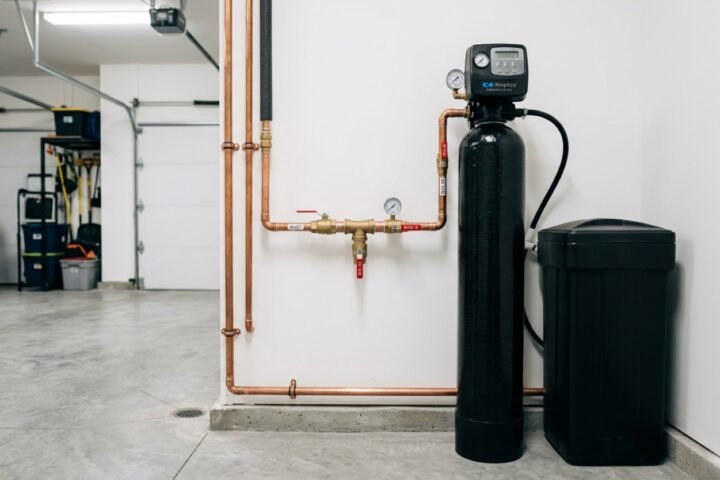
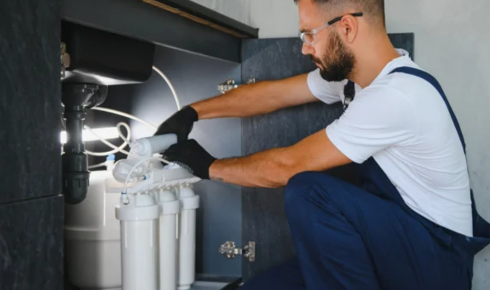
That’s why many homeowners eventually start researching water treatment systems instead of only addressing symptoms individually. Rather than constantly cleaning residue or replacing appliances prematurely, they look for a more permanent solution to the source of the problem itself.
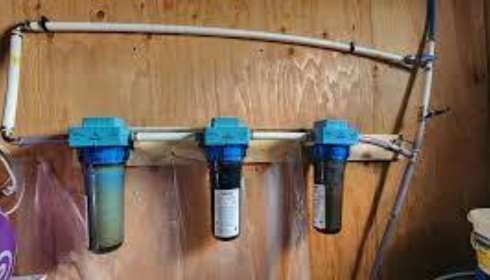
And depending on local water conditions, those systems can vary quite a bit. Some focus primarily on softening minerals, while others target chlorine, sediment, odors, or contaminants in drinking water.
Every Home Has Different Water Challenges
One thing that surprises people is how much water conditions differ from one area to another. Two neighborhoods only a few miles apart may have completely different water concerns.
Homes connected to municipal water supplies often deal with chlorine taste or older infrastructure. Well water properties may struggle with iron staining, sulfur smells, or sediment buildup. In some regions, water hardness is extreme enough to shorten appliance lifespan dramatically if left untreated.
That’s why professional water testing has become increasingly important before choosing a system. Instead of guessing based on internet advice, homeowners can identify exactly what’s present in their water and select treatment options that actually fit their needs.
Sometimes the solution is simpler than expected. Other times, a layered approach works best.
The key is understanding that water quality isn’t one-size-fits-all.
Better Water Quietly Improves Daily Living
What’s interesting is how rarely homeowners regret improving their water quality once they’ve done it. Usually, they wonder why they waited so long.
Not because it feels luxurious exactly, but because it removes so many little frustrations people had gradually accepted as normal. Fewer spots on dishes. Softer laundry. Less scrubbing around faucets. Better tasting coffee. More comfortable showers.
None of these things sound life-changing individually. But together they shape the overall comfort of a home in a very real way.
And unlike some home upgrades that are mostly cosmetic, water improvements affect routines people repeat constantly throughout the day.
Water Is One of Those Invisible Essentials
At the end of the day, good water tends to disappear into the background — and that’s probably the point.
You stop noticing mineral stains because they aren’t there anymore. Appliances run quietly without constant maintenance issues. Showers feel normal instead of irritating. Drinking water tastes clean without needing bottled alternatives.
It becomes one less thing demanding attention.
And honestly, in a world where homeowners already juggle endless responsibilities, there’s something valuable about systems that quietly make life easier without needing much thought in return.
Sometimes the best home improvements aren’t the flashy ones people show off. Sometimes they’re the invisible changes that make everyday life feel a little healthier, cleaner, and more comfortable over time.