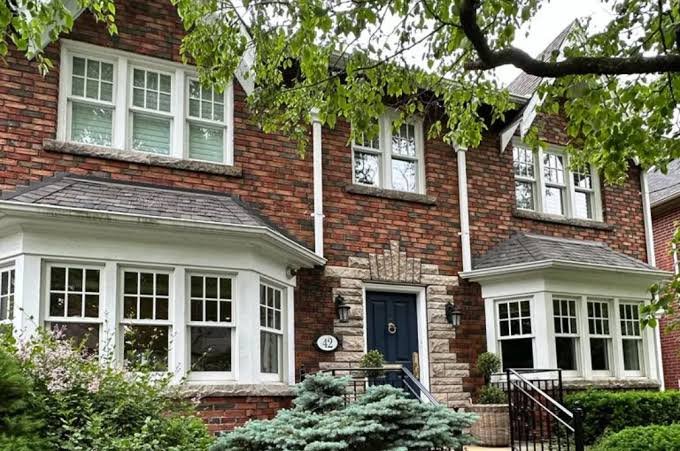
People usually notice a front door before they notice almost anything else about a house. Not consciously, maybe, but instinctively. The entrance sets the tone. It gives off warmth, elegance, simplicity, or sometimes even a little personality before anyone steps inside.
What’s interesting, though, is that the smallest parts of a front entrance often leave the strongest impression.
Related analysis: Preparing a Historic Home for Painting in Louisville, Kentucky
Not the entire door itself.
The handle. The way it opens. The smoothness of the lock. The texture of the hardware under your hand when you come home late at night carrying grocery bags and trying not to spill your coffee at the same time.
Those tiny interactions shape daily life more than most homeowners realize.
Related analysis: A Warmer, Smarter Home Starts With the Right Heating Choices
Home Design Has Become More Intentional
There’s been a noticeable shift in home design over the last several years. People are moving away from overly decorated spaces that feel staged and toward homes that feel comfortable, practical, and quietly refined.
That mindset has changed how people think about entryways too.
Instead of treating the front entrance as purely functional, homeowners are starting to see it as part of the overall atmosphere of the home. Materials matter more. Lighting matters more. Even the feel of the hardware matters now.
Related analysis: Why the Right Water Softener Can Make Everyday Life at Home Easier
A well-designed door handle can completely change how an entrance feels without requiring a major renovation. That might sound dramatic, but it’s true.
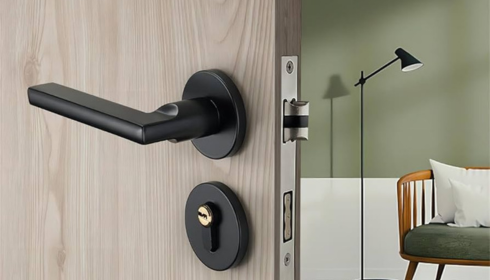
A slim matte-black pull bar creates a very different impression than an old polished brass knob. One feels clean and architectural. The other might feel traditional or nostalgic depending on the home.
Neither is automatically better. The key is choosing details that actually fit the character of the space.
Related analysis: Better Water Starts with Better Decisions: A Homeowner’s Guide to Cleaner, Healthier Water
Functionality Should Feel Effortless
The best design choices are often the ones people stop noticing after a while because they work so naturally.
You don’t think much about a smooth-closing door until you’ve dealt with one that sticks every winter. You don’t appreciate quiet hardware until a rattling latch wakes someone up at midnight.
Related analysis: A Simpler Way to Drink Better Water and Use Less Plastic
Good design quietly improves routines.
That’s especially true when it comes to the locking system on a front entrance. Security obviously matters, but homeowners today want protection that feels integrated into the design instead of clunky or intrusive.
Smart locks, concealed deadbolts, fingerprint access systems, keypad entry — modern locking options have evolved a lot. But beyond technology itself, people mostly want reliability. A lock should feel solid every single time without becoming frustrating to use.
I remember helping a relative move into a renovated townhouse last year. The house looked beautiful, but what everyone kept commenting on weirdly enough was the front door. Not because it was oversized or flashy. It simply opened smoothly, locked quietly, and felt incredibly sturdy.
Funny how comfort sometimes comes from things we barely think about consciously.
Hardware Has Become Part of the Architecture
For a long time, hardware was treated like an afterthought. Pick a finish, install it, move on.
Now, it’s becoming part of the architecture itself.
The rise of cleaner lines and more minimal home design has pushed modern hardware into a much more visible role. Long vertical pull handles, hidden hinges, textured matte finishes, oversized entry sets — these details shape the personality of the entrance almost as much as the door material itself.
And honestly, people seem drawn toward simplicity right now.
Not cold minimalism exactly. More like thoughtful restraint. Homes that feel intentional without trying too hard.
A sleek black handle against warm wood. Brushed metal hardware paired with textured glass. Soft bronze finishes on darker iron doors. These combinations feel calmer and more timeless than overly decorative styles that chase trends too aggressively.
That’s probably why many contemporary homes still feel elegant years later while heavily trend-driven designs start looking dated quickly.
Small Upgrades Create Surprisingly Big Changes
One thing homeowners often underestimate is how much a few thoughtful hardware upgrades can refresh an entire entryway.
Replacing an old handle set. Upgrading locks. Changing finishes. Adding cleaner hardware lines. Those smaller projects often create a dramatic visual difference without requiring a complete door replacement.
And because entrances get used constantly, the improvement isn’t just visual. It affects everyday experience.
You feel the difference each time you come home.
That’s why quality matters so much with entry hardware. Cheap materials age poorly fast. Finishes wear unevenly. Handles loosen. Locks become unreliable. Those issues start small but become irritating over time because they’re part of daily routine.
On the other hand, well-made hardware tends to disappear into the background in the best possible way. It simply works smoothly year after year.
The Emotional Side of Coming Home
There’s something personal about arriving home at the end of the day. Maybe more than we admit.
The sound of the lock clicking open. The feel of the handle in your hand. The familiar movement of the door swinging inward. Those tiny moments become part of comfort and routine without us realizing it.
That’s why entrances matter emotionally, not just architecturally.
A thoughtfully designed front door creates a sense of arrival. Not flashy luxury necessarily — just a feeling that the space has been cared for properly.
And often, it’s the smaller details that create that feeling most effectively.
The best entrances don’t overwhelm people with decoration or trends. They simply feel balanced. Comfortable. Reliable. Easy to live with.
In the end, that’s probably what homeowners are really searching for now. Not perfection, but spaces that quietly improve everyday life in ways that feel natural instead of forced.
And surprisingly often, that experience starts with the hardware on the front door.