Most people don’t think much about their water until something starts feeling slightly off. It’s rarely dramatic in the beginning. Maybe the coffee tastes a little bitter lately. Maybe dishes come out cloudy even after a full dishwasher cycle. Some homeowners notice dry skin after showers or a strange metallic smell near the sink that wasn’t there before.
At first, these things feel easy to ignore. Life gets busy, and honestly, people adapt faster than they realize. But eventually those small annoyances start piling up, and the question quietly appears in the back of your mind: is something wrong with the water?
Related analysis: Why the Right Water Softener Can Make Everyday Life at Home Easier
That’s become a much more common conversation over the past few years. Homeowners are paying closer attention to water quality not because they’re paranoid, but because they understand how deeply water affects daily life.
And the truth is, water issues often stay hidden far longer than people expect.
Related analysis: The Subtle Science of Everyday Water: What We Often Miss but Shouldn’t
Water Can Look Perfectly Fine and Still Cause Problems
One of the biggest misconceptions homeowners have is assuming clean-looking water automatically means healthy water. Unfortunately, it doesn’t really work that way.
Many common issues — mineral imbalance, chlorine residue, sediment, bacteria, or trace contaminants — don’t always create visible warning signs. Some affect taste. Others quietly damage plumbing systems or reduce appliance lifespan over time without homeowners noticing immediately.
Related analysis: Reliable Water Service Makes Home Life Feel Normal Again
That’s partly why a professional water assessment has become an important first step for many families before purchasing filtration equipment or treatment systems. Instead of guessing, homeowners can actually understand what’s happening inside their plumbing and water supply.
And honestly, the results are often surprising.
Sometimes testing reveals only minor hardness issues. Other times, it uncovers underlying problems homeowners never suspected because the water seemed “normal” on the surface.
That clarity matters because treating the wrong issue can become expensive very quickly.
Related analysis: Why Softer Water Makes Home Life Feel Just a Little Easier
The Small Signs People Tend to Dismiss
Water problems rarely arrive all at once. They build gradually.
Faucets slowly collect mineral residue around the edges. Showerheads clog more frequently. Water heaters lose efficiency because scale buildup forms inside the tank over the years. Laundry starts feeling stiff no matter how much detergent you use.
These changes happen slowly enough that homeowners often stop noticing them altogether.
Related analysis: The Everyday Comfort of Better Water at Home
The tricky part is that different water conditions create different symptoms. Hard water leaves scale and residue. Iron causes staining. Sulfur can create unpleasant odors. Chlorine-heavy water sometimes affects taste and skin comfort.
That’s why a proper water diagnosis is usually more helpful than randomly purchasing filters online and hoping for improvement. A diagnosis identifies the actual source of the issue rather than treating symptoms blindly.
And frankly, that saves people from wasting money on equipment that doesn’t solve the real problem.
Water Quality Affects More Than Drinking
When people think about water concerns, they usually focus on what comes out of the kitchen faucet. Drinking water matters, of course. But water quality influences nearly every part of a home.
Showers, laundry, plumbing fixtures, dishwashers, water heaters — they all depend on the same supply. Poor conditions can quietly shorten appliance lifespan, increase maintenance costs, and create constant low-level frustrations homeowners simply get used to over time.
Funny enough, some people only realize how much their water was affecting daily life after improvements are made. Showers feel softer. Coffee tastes cleaner. Dishes stop developing cloudy spots. Towels feel less rough after washing.
These aren’t dramatic lifestyle transformations, but together they noticeably change the comfort of a home.
Why Testing Has Become More Important Recently
There’s also a growing awareness around environmental factors and aging infrastructure that didn’t exist as strongly twenty years ago.
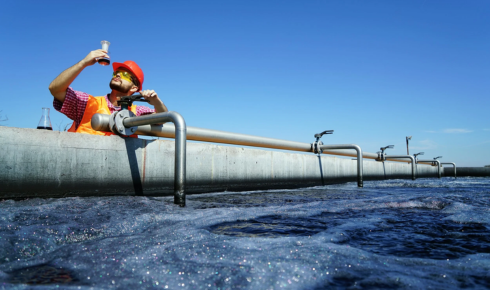
People hear more about old municipal pipes, groundwater contamination, agricultural runoff, and chemical residues entering local water systems. Even private well owners are becoming more proactive because groundwater conditions can change over time depending on weather, nearby construction, or surrounding land use.
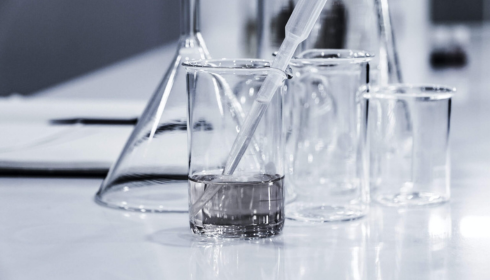
That’s where professional lab testing plays an important role. Homeowners want actual data instead of assumptions.
Independent testing can identify mineral content, bacteria, pH imbalance, heavy metals, chlorine byproducts, and other elements that simple at-home kits may miss or oversimplify.
And honestly, there’s peace of mind in having clear answers. Most homeowners aren’t expecting disaster. They simply want confidence in the water their families drink, cook with, and use every day.
Modern Water Solutions Feel Less Intimidating Now
Years ago, water treatment systems had a reputation for being bulky, expensive, and difficult to maintain. Some older systems genuinely were complicated.
Things have changed quite a bit.
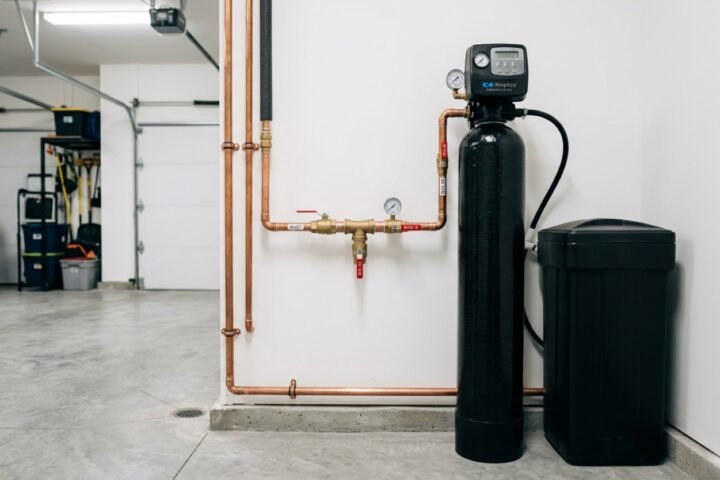
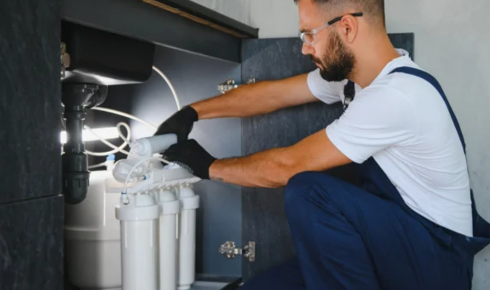
Modern filtration and softening systems are often compact, energy-efficient, and tailored to specific household needs. Some focus mainly on hardness. Others target sediment, chlorine, iron, or bacteria depending on local conditions.
Many systems today are also easier to maintain than people expect. Smart monitoring features, automatic alerts, and improved filtration technology have made home water systems feel far more approachable for average homeowners.
That shift matters because people don’t want complicated equipment taking over their garage or basement. They want reliable solutions that quietly improve daily life without creating additional stress.
Better Water Usually Feels Like Better Living
At the end of the day, water affects far more than people realize. It shapes routines quietly from morning coffee to evening showers. It influences comfort, maintenance costs, appliance performance, and even peace of mind.
And the strange thing is, once water problems are solved, most people stop thinking about their water altogether. That’s probably the sign of a good system. The frustrations disappear into the background, and daily life simply feels easier.
Maybe that’s why more homeowners are becoming proactive now. Not because they expect something terrible hidden in their pipes, but because they understand that clean, balanced water supports a healthier and more comfortable home in ways that are difficult to ignore once you notice them.