There are some home decisions that look simple until you actually start researching them. Water purification is a good example.
At first, it seems straightforward: you want cleaner, better-tasting water, so you find a filter and install it. Then you discover reverse osmosis, carbon filtration, ultraviolet treatment, whole-house systems, under-sink units and a dozen other options. Suddenly, that “simple” decision doesn’t feel quite so simple anymore.
Related analysis: A Smarter Way to Deal With Hard Water: How the Right System Can Make Home Life Easier
The truth is, choosing water treatment doesn’t have to be overwhelming. It starts with a basic question: what does your home actually need?
Water sources vary. Household sizes vary. Plumbing systems vary. Even the things people dislike about their water can be completely different from one home to another.
Related analysis: Why the Right Water Softener Can Make Everyday Life at Home Easier
A thoughtful approach means understanding the problem first and choosing technology second.
Start With the Water, Not the Equipment
It’s tempting to browse products before doing anything else. After all, shopping is easier than testing water.
Related analysis: Better Water at Home Starts With the Right System, Not a Guess
But that’s usually backwards.
A water test can reveal useful information about hardness, sediment, pH, minerals and other characteristics. If you know what’s actually present, you’re in a much better position to decide what type of treatment makes sense.
For example, a household dealing primarily with hard water may need a softener rather than a drinking-water filter. Another home may have good overall water quality but dislike the taste and choose a point-of-use carbon system.
Related analysis: Choosing the Right Plumbing Team When Your Home Needs Real Help
The equipment should follow the problem—not the other way around.
Experience Matters When Water Is Involved
Water treatment systems aren’t something most homeowners install every few years. For many people, it’s a completely new area of home improvement.
That’s why working with a Trusted & Experienced provider can make the process much easier.
An experienced company should be able to explain different treatment options without burying you in technical language. They should also be willing to discuss what a system can and cannot do.
Related analysis: Better Water Starts with Better Decisions: A Homeowner’s Guide to Cleaner, Healthier Water
This matters because water treatment claims can sometimes sound better than they actually are. A knowledgeable professional will focus on the water conditions in your home rather than trying to sell the most complicated equipment available.
A good conversation should leave you feeling informed, not pressured.
Whole-Home Purification Has a Big Advantage
If water-quality concerns extend beyond your kitchen faucet, a whole-home approach may be worth considering.
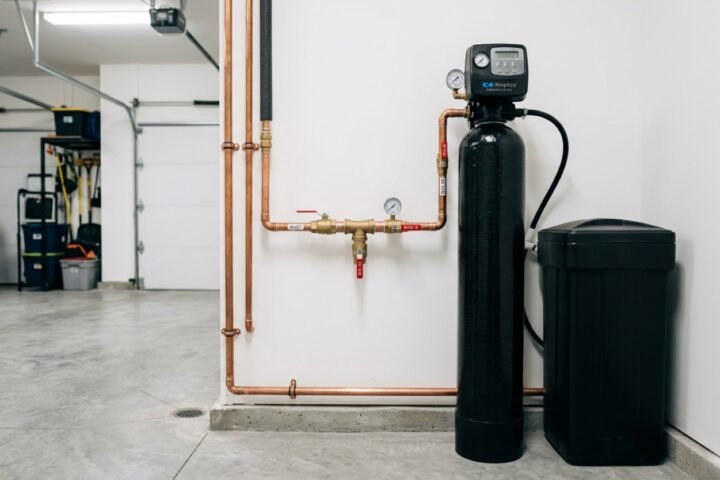
A whole home purification system is generally installed where water enters the property, allowing treated water to move through the household plumbing.
That can be convenient for families who want consistent treatment at multiple fixtures. Instead of installing separate filters on bathroom sinks, kitchen taps and other outlets, one central system handles treatment at the main entry point.
It can also be useful when homeowners are concerned about issues that affect showers, laundry or appliances—not just drinking water.
However, whole-home treatment needs to be properly selected. A system designed primarily for taste and odor isn’t necessarily appropriate for every other water-quality concern.
Testing and proper system selection still matter.
When Point-of-Use Makes More Sense
Not every household needs to treat every drop of water entering the property.
Suppose your main concern is drinking and cooking water. Your shower water may be perfectly acceptable, but you want something extra at the kitchen sink.
In that situation, a point-of-use filtration option can be practical.
These systems are installed close to where water is consumed, often under the kitchen sink or through a dedicated faucet. They can focus treatment where it matters most to the household.
This approach can also be more affordable than installing a whole-home system when drinking water is the only real concern.
Again, the technology matters. Carbon filters, reverse osmosis systems and other treatment methods have different purposes and capabilities.
Before choosing one, find out what the filter is specifically designed to reduce.
Taste and Odor Can Change How You Use Water
One of the first things people notice about water is its taste.
A glass of water might look perfectly clear but still have a strong chlorine taste, metallic flavor or unpleasant odor. When that happens, some people simply stop drinking as much tap water and start buying bottled water instead.
A properly selected filtration system may improve taste and odor, making tap water more appealing.
That’s not a trivial benefit.
Water is used in coffee, tea, soups, rice and countless other foods. The quality of the water can influence the final result more than people realize.
For families trying to reduce bottled-water use, improving the taste of tap water can be a small but meaningful change.
Don’t Forget Hard Water
Purification and softening are often confused.
Hard water contains minerals such as calcium and magnesium. These can create scale around faucets and showerheads and may affect appliances that use water regularly.
A filtration system isn’t necessarily designed to solve hardness.
If hard water is the main issue, a softener may be more appropriate. If taste and odor are the concern, another filtration technology may be better.
Sometimes a household may benefit from both.
The point is to avoid expecting one piece of equipment to solve every possible water problem.
Maintenance Is Part of the Package
No filtration system should be considered completely maintenance-free.
Filters need replacement. Some systems require cleaning, sanitization or periodic professional service. Reverse osmosis systems, for example, have cartridges and membranes that need attention over time.
Before purchasing, ask how often maintenance is required and what replacement parts typically cost.
It’s also worth asking whether the provider offers scheduled service. A system is much easier to own when you know exactly what needs to happen and when.
Ignoring maintenance can reduce performance, and that’s an avoidable problem.
Installation Quality Matters
A filtration system is connected to your home’s plumbing, so installation deserves attention.
Poor installation can lead to leaks, incorrect flow, difficult maintenance or equipment that doesn’t perform as intended.
Professional installation can help ensure the system is correctly configured and that homeowners understand the basic operation.
Don’t be afraid to ask the installer to show you where filters are located, how bypass controls work and what maintenance you’ll need to perform.
Five minutes of explanation can save a lot of confusion later.
Think About the Long-Term Value
The cheapest water treatment system isn’t necessarily the best choice. The most expensive one isn’t automatically better either.
Look at the complete picture: water-testing results, treatment capability, installation quality, replacement costs, maintenance requirements, warranty and service support.
A system that solves the actual problem and remains practical to maintain is usually a better investment than a complicated setup full of features you don’t need.
Better Water Starts With a Better Decision
Water purification isn’t about finding one universal solution. It’s about finding the right fit.
Start by testing the water and identifying your priorities. Decide whether you need treatment throughout the home or only at a particular faucet. Then compare technologies and providers carefully.
Ask questions. Read the specifications. Understand the maintenance requirements.
Most importantly, don’t let a salesperson rush you into equipment that doesn’t make sense for your home.
When the right system is installed and maintained properly, water treatment becomes almost invisible. You simply open the faucet, fill your glass, take a shower or start the laundry.
And that’s probably the best outcome of all: better water without making everyday life more complicated.