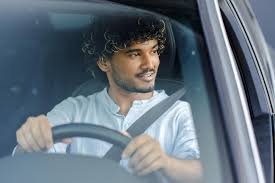
There was a time when road safety meant seatbelts, mirrors, and maybe a warning beep if you forgot something obvious. Now, cars are beginning to observe us — not in a creepy, dystopian way, but in a surprisingly helpful one. It’s subtle, almost invisible, yet powerful. Somewhere between convenience and necessity, modern vehicles are evolving into quiet companions that notice when something feels off.
The Subtle Problem We Often Ignore
Let’s be honest — fatigue is sneaky. It doesn’t announce itself with flashing lights. It creeps in slowly. A yawn here, a blink there, and before you realize it, your focus slips for just a second too long. That’s all it takes on a highway.
Related analysis: Why Owning a Car Feels Different in 2026: A Quiet Shift Toward Subscriptions
Long drives, late-night commutes, even routine daily travel — they all come with this hidden risk. And unlike speeding or reckless driving, fatigue isn’t always something we consciously control. That’s where things start to get interesting.
A Smarter Set of Eyes on the Road
Modern vehicles are increasingly equipped with systems that do more than just respond — they observe. Cameras and sensors track subtle behaviors: how often you blink, how your head tilts, whether your attention drifts from the road.
Related analysis: A Warmer, Smarter Home Starts With the Right Heating Choices
This is where AI-Based Driver Monitoring Systems quietly step in. These systems don’t interrupt unless needed. They simply learn patterns — your normal driving posture, your alertness levels — and then pick up on deviations that might indicate fatigue or distraction.
It’s not about replacing the driver. It’s more like having a co-pilot who never gets tired.
Related analysis: Hydrogen Cars in India: Between Big Promises and Ground Reality
How It Actually Feels in Real Life
Imagine you’re driving back home after a long day. Music is playing softly, traffic is manageable, but your eyes feel just a little heavier than usual. You probably wouldn’t pull over immediately — most of us don’t.
But then, a gentle alert pops up. Maybe a vibration on the steering wheel. Maybe a soft chime suggesting a break.
Related analysis: Why Renting a Two-Wheeler in Hyderabad Often Makes More Sense Than You’d Expect
It’s not aggressive. It’s not annoying. It’s just… aware.
And in that moment, it nudges you to do something you might have ignored otherwise.
The Technology Behind the Calm
At its core, these systems rely on a mix of machine learning, computer vision, and behavioral analysis. Cameras — usually placed near the dashboard or steering column — track facial movements and eye activity.
Related analysis: A Smarter Way to Deal With Hard Water: How the Right System Can Make Home Life Easier
But it goes deeper than just watching your eyes. The system interprets patterns:
- Are your blinks slower than usual?
- Is your head dipping slightly?
- Are you looking away from the road more often?
These signals are processed in real time. Over time, the system adapts to your unique driving style, which makes it feel less like a generic alert system and more like something tailored to you.
And that’s where the real magic lies — personalization.
Fatigue Detection is No Longer a Guess
For years, fatigue detection relied on indirect indicators — lane drifting, erratic steering, sudden braking. But those signs often came too late.
Now, with advancements in Fatigue Detection ka Future, the focus has shifted toward prevention rather than reaction. The system identifies early warning signs before your driving performance is affected.
That’s a huge shift.
Instead of reacting to mistakes, the car helps you avoid making them in the first place. It’s a bit like catching yourself before you stumble, rather than after you’ve already fallen.
Why This Matters More Than We Think
Road accidents caused by drowsy driving are often underreported, but they’re more common than most people realize. And the scary part? They’re preventable.
We invest in better brakes, stronger airbags, and safer road designs — all important, no doubt. But driver condition is just as critical. Maybe even more.
Because at the end of the day, the safest car in the world still depends on the person behind the wheel.
The Human Side of Smart Technology
There’s something interesting about how people react to this kind of technology. Initially, there’s skepticism — “Why does my car need to watch me?” But over time, it turns into trust.
Drivers start to rely on those subtle nudges. Not as a crutch, but as a backup. A second layer of awareness.
And in a way, it makes driving feel less lonely. Not because there’s something watching you, but because there’s something looking out for you.
What Lies Ahead
The future of driver monitoring isn’t just about fatigue. It’s expanding into emotion detection, distraction analysis, even stress monitoring. Cars may soon adjust lighting, music, or temperature based on your mood.
Sounds futuristic, sure. But it’s already beginning to happen.
And as these systems become more refined, they’ll likely fade into the background — quietly doing their job without making a fuss.
A Thought to Leave With
We often think of innovation as something loud and disruptive. But sometimes, the most impactful changes are the quiet ones — the ones that simply make life a little safer, a little easier.
Driver monitoring systems fall into that category.
They don’t demand attention. They don’t show off. They just sit there, watching gently, stepping in only when it matters.
And maybe that’s exactly what we need — not more control, but better awareness.
Because sometimes, the difference between a safe journey and a risky one is just a moment of attention.