Most home improvements are easy to notice right away. A renovated kitchen changes the look of the house. New flooring feels obvious the second you walk across it. Fresh paint practically announces itself.
Water is different.
When people improve their home’s water, the changes usually happen quietly. Coffee tastes a little smoother. Showers feel more comfortable. Dishes stop coming out cloudy. Laundry softens up. Small details, honestly — but together they change daily life in ways people rarely expect beforehand.
Related analysis: Why Cleaner Water at Home Feels Like a Bigger Deal Than It Used To
I remember visiting a friend who had recently moved into an older property outside town. The house itself was beautiful, but after a few weeks they started noticing strange little issues. White residue collected around faucets. Their dishwasher never seemed to rinse properly. Even the tap water had a faint metallic taste they couldn’t ignore.
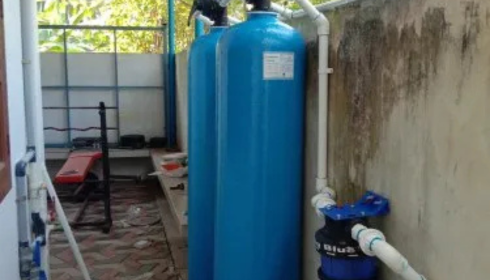
Eventually they decided to look into water filtration systems, mostly out of frustration rather than concern. What surprised them wasn’t just the better-tasting water. It was how many unrelated household annoyances quietly disappeared afterward.
That’s the funny thing about water. You don’t realize how much it affects everyday comfort until something changes.
Related analysis: Better Water at Home Starts With the Right System, Not a Guess
Water Touches Nearly Every Part of Daily Life
People often think about water only in terms of drinking it. But water moves through almost every part of a home throughout the day.
You shower in it. Cook with it. Wash dishes and laundry with it. Your appliances rely on it constantly. Even the texture of your hair and skin can be influenced by what’s coming through the pipes.
Related analysis: The Everyday Comfort of Better Water at Home
When water quality declines, those effects spread everywhere.
Hard minerals can reduce appliance efficiency over time. Chlorine may affect taste and odor. Sediment buildup can clog fixtures or leave residue on surfaces. Sometimes the problems are obvious. Other times they’re subtle enough that homeowners simply adapt without realizing it.
That’s why more families are paying attention to water treatment systems now than they did years ago. Instead of treating water issues as occasional inconveniences, many homeowners see water quality as part of maintaining a healthier, more comfortable home overall.
And honestly, that shift makes sense.
The Emotional Side of Water Quality
There’s also something psychological about trusting your water.
When people feel uncertain about what’s coming from the tap, small habits start changing quietly. They buy bottled water constantly. They hesitate before drinking directly from the sink. They wonder if strange smells or tastes are harmless or signs of something bigger.
Related analysis: Better Water at Home Without the Endless Stack of Plastic Bottles
Even when the issue isn’t dangerous, that uncertainty sticks around.
A homeowner once told me the biggest relief after upgrading their water system wasn’t softer laundry or cleaner dishes — it was “not thinking about the water anymore.”
Related analysis: A Smarter Way to Deal With Hard Water: How the Right System Can Make Home Life Easier
That sentence stayed with me because it captures the goal perfectly.
Good water shouldn’t demand attention. It should simply work in the background of life without causing worry.
Why Water Quality Varies So Much
One thing many homeowners don’t realize is how dramatically water conditions vary depending on location.
Some homes struggle with hard minerals from groundwater. Others deal with chlorine-heavy municipal supplies, sediment, aging pipes, or seasonal fluctuations after storms and heavy rainfall.
Two houses on the same street can sometimes experience completely different water conditions depending on plumbing systems and local infrastructure.
That’s why there isn’t one universal solution for every household. The best approach usually begins with understanding what’s actually affecting the home’s water in the first place.
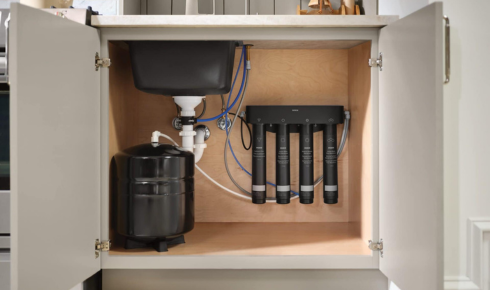
Some families only need basic filtration for taste and odor improvement. Others benefit from softening systems or more advanced purification setups designed for specific contaminants.
And maintenance matters too. Even excellent systems need occasional filter changes and servicing to keep performing properly long term.
Small Signs Often Point Toward Bigger Water Issues
Water problems rarely appear dramatically overnight. More often, they build slowly through little warning signs people gradually accept as normal.
Things like:
- White spots on dishes and faucets
- Dry skin after showers
- Soap that struggles to lather properly
- Metallic or chlorine-like tastes
- Cloudy tap water
- Reduced water pressure
Individually, these problems don’t always seem serious. Together, though, they often suggest underlying water quality concerns worth paying attention to.
One family I spoke with spent years replacing coffee makers, kettles, and dishwashers without realizing mineral-heavy water was damaging appliances from the inside. Once they addressed the water itself, the constant appliance issues suddenly stopped.
Funny how often the real problem hides upstream.
Better Water Quietly Changes Everyday Routines
People expecting dramatic overnight transformations after improving their water are sometimes surprised by how subtle the changes feel initially.
But after a few weeks, the differences become hard to ignore.
Showers feel gentler. Glasses come out cleaner. Ice cubes stop carrying strange freezer odors. Drinking more water becomes effortless because it actually tastes refreshing.
And perhaps most importantly, the home feels more comfortable overall.
Access to truly clean water affects routines in ways that are easy to underestimate until you experience them consistently. Cooking becomes easier. Guests stop asking for bottled water. Kids refill their glasses without complaining about the taste.
None of those moments sound particularly life-changing on their own. Yet together, they create a home environment that feels healthier, calmer, and easier to live in day after day.
Paying Attention to Water Is Becoming Normal
For a long time, water quality was something many homeowners ignored unless a major problem appeared. But that mindset is shifting now.
People are starting to realize water isn’t just another utility hidden behind walls and pipes. It’s something every member of the household interacts with constantly — probably more than any other system inside the home.
And once you experience the difference better water makes, it becomes surprisingly difficult to settle for anything less.