There’s something oddly reassuring about turning on the tap and expecting clean, clear water. Most of us don’t think twice about it until something changes. Maybe the water starts leaving orange stains in the sink. Maybe it has a metallic taste that makes your morning coffee seem just a little off. Or perhaps your white laundry slowly turns yellow without any obvious explanation.
Iron in household water is one of those issues that often creeps in quietly. It doesn’t always make water unsafe to drink, but it certainly affects the way it looks, tastes, smells, and performs around the home. Left untreated, it can create frustrating maintenance problems and shorten the lifespan of plumbing fixtures and appliances.
Related analysis: Why Iron in Home Water Is More Than Just a Stain Problem
Understanding Why Iron Ends Up in Household Water
Iron is one of the most common minerals found naturally underground. As rainwater filters through soil and rock, it dissolves small amounts of iron before eventually reaching underground aquifers. Homes that rely on private wells are especially likely to encounter elevated iron levels, although municipal systems can occasionally experience it too.
Freshly drawn water may look perfectly clear at first. Then, after sitting for a few minutes, it slowly develops a yellow, reddish, or brown tint. That’s usually dissolved iron reacting with oxygen in the air.
Related analysis: The Subtle Science of Everyday Water: What We Often Miss but Shouldn’t
Sometimes the signs appear long before homeowners realize what’s happening. Faucet stains, rusty toilet bowls, discolored bathtubs, or water with an earthy metallic flavor often point toward excessive iron rather than a plumbing failure.
The Everyday Frustrations Iron Can Cause
Iron isn’t usually the kind of problem that causes an immediate emergency. Instead, it’s the constant little annoyances that wear people down over time.
Related analysis: Why Cleaner Water at Home Feels Like a Bigger Deal Than It Used To
Clothes come out of the washing machine with mysterious orange spots. Shower doors develop stubborn stains that ordinary cleaners barely touch. Coffee makers, dishwashers, and water heaters begin accumulating deposits that reduce their efficiency.
Eventually, these small inconveniences become expensive repairs or premature appliance replacements.
Related analysis: A Smarter Way to Deal With Hard Water: How the Right System Can Make Home Life Easier
Many homeowners are surprised to learn that the real cost of iron isn’t the water itself—it’s everything the water touches.
Why iron removal Matters Beyond Appearance
Some people assume treating iron is purely cosmetic. While appearance is certainly part of the issue, iron removal often helps protect the entire plumbing system.
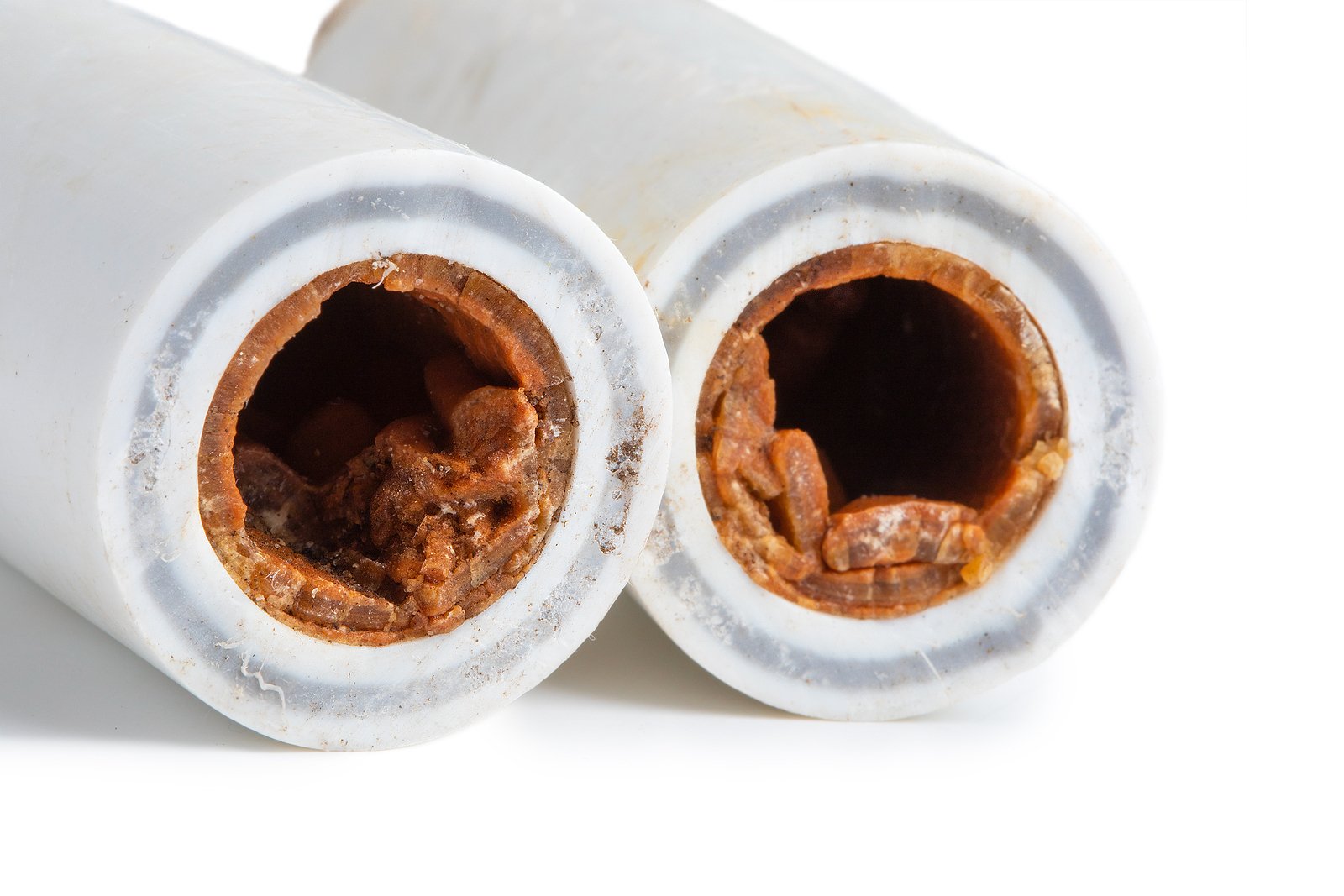
Iron deposits gradually collect inside pipes, reducing water flow over time. Fixtures clog more easily, water pressure may decrease, and household appliances have to work harder than they should.
Related analysis: Better Water Starts with Better Decisions: A Homeowner’s Guide to Cleaner, Healthier Water
Removing excess iron can also improve the taste of drinking water, reduce staining, and extend the lifespan of expensive equipment like washing machines, water heaters, and dishwashers.
In many homes, treating the problem early prevents years of unnecessary maintenance costs.
Different Types of Iron Require Different Solutions
One reason iron treatment sometimes fails is because not all iron behaves the same way.
Ferrous iron, often called clear-water iron, remains dissolved until it comes into contact with oxygen.
Ferric iron has already oxidized before reaching the tap, making the water appear cloudy or rusty immediately.
Then there’s iron bacteria, which isn’t actually iron itself but microorganisms that feed on iron deposits. These bacteria leave behind slimy residue, unpleasant odors, and clogged plumbing.
Identifying the specific type of iron is essential because each one responds best to different treatment methods.
Your water supply Deserves Proper Testing
Guesswork rarely solves water problems.
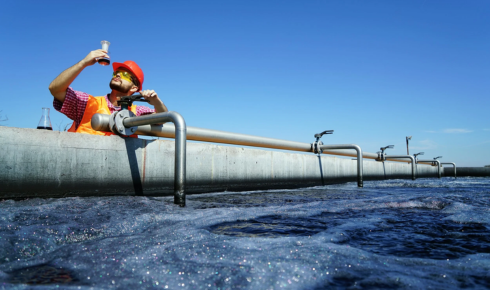
Professional water testing provides a complete picture of what’s actually present, including iron concentration, hardness, pH levels, manganese, sulfur, and other minerals that may influence treatment recommendations.
A homeowner may think iron is the only issue when several water quality factors are working together.
Testing ensures the chosen treatment system addresses the entire water supply, not just one visible symptom. That usually leads to better long-term results and avoids spending money on equipment that isn’t suited to the home’s actual conditions.
Why Well Owners Experience More Iron Problems
Homes connected to municipal treatment plants often receive water that has already undergone filtration and monitoring.
Private wells operate differently.
Because groundwater composition varies from one property to another, neighboring homes can have completely different water chemistry despite being only a short distance apart.
Many households relying on well water notice seasonal changes too. Heavy rainfall, drought conditions, or shifts in groundwater levels can slightly alter mineral concentrations throughout the year.
That’s one reason regular water testing remains valuable even after installing treatment equipment.
Choosing the Right Treatment System
No single filtration system works perfectly for every household.
For lower concentrations of dissolved iron, oxidation combined with filtration may provide excellent results.
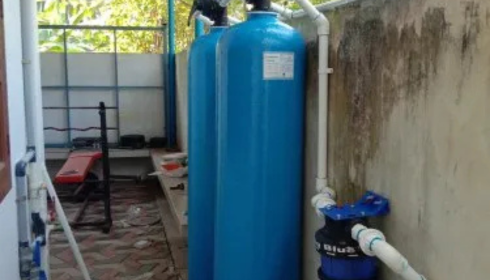
Higher iron levels may require specialized iron filters designed specifically for mineral removal. Some homes benefit from water softeners when iron levels are relatively low, while others need multi-stage filtration systems that address several contaminants simultaneously.
Installation quality matters just as much as equipment selection. Even premium systems won’t perform properly if they’re incorrectly sized or poorly maintained.
Working with experienced water treatment professionals often saves homeowners from costly trial-and-error purchases.
Maintenance Is Just as Important as Installation
Installing a treatment system isn’t the finish line.
Filters need replacement, media eventually wears out, and certain systems require periodic cleaning or regeneration to continue working efficiently.
Ignoring maintenance often leads homeowners to believe the equipment has failed when, in reality, it simply needs routine servicing.
A little preventive care keeps filtration systems operating consistently while protecting the investment for many years.
Clean Water Makes Daily Life Noticeably Better
People often don’t realize how much poor water quality affects everyday routines until it’s gone.
Showers feel fresher. Glassware sparkles instead of looking cloudy. Laundry stays brighter. Coffee tastes cleaner. Bathroom cleaning becomes less of a weekly battle against orange stains.
Those improvements may seem small individually, but together they create a noticeable difference throughout the home.
Clean water quietly improves comfort in ways most of us simply take for granted.
Final Thoughts
Iron in household water isn’t something homeowners should simply learn to live with. While it may begin as nothing more than a few stains or an unusual taste, untreated iron can gradually affect plumbing, appliances, cleaning routines, and overall water quality.
The good news is that modern treatment solutions have become remarkably effective when matched correctly to a home’s specific water conditions. Starting with professional testing, understanding the source of the problem, and choosing the right filtration approach can transform the quality of water throughout the entire house.
Investing in cleaner water isn’t just about aesthetics—it’s about protecting your home, reducing maintenance headaches, and enjoying greater confidence every time you turn on the tap.