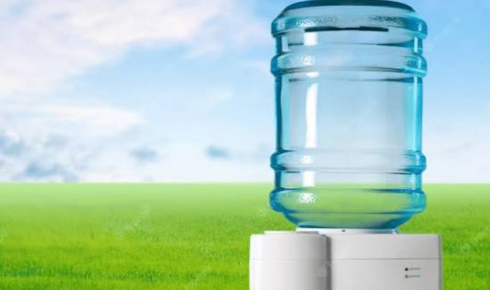
There’s a familiar scene in many homes: someone comes back from the store carrying another heavy case of bottled water. A few days later, the pantry is full of empty plastic bottles, and somehow it’s already time to buy more.
It becomes a routine.
People often choose bottled water because they don’t enjoy the taste of their tap water, have concerns about its quality, or simply prefer the convenience of grabbing a cold bottle. But over time, constantly buying packaged water can become expensive, inconvenient, and surprisingly wasteful.
Related analysis: Clean Drinking Water at Home Without the Plastic Bottle Habit
That’s why more homeowners are starting to look at ways to improve the water they already have.
A properly selected home filtration solution can make drinking water more convenient while reducing the need to constantly store and purchase bottles. The right system depends on the household, the water source, and the specific concerns involved, but the overall idea is simple: better water should be available without turning every grocery trip into a workout.
Related analysis: A Simpler Way to Drink Better Water and Use Less Plastic
Why Families Are Rethinking Bottled Water
Bottled water certainly has its place. It can be convenient when traveling or when safe drinking water isn’t readily available. But relying on it for every glass of water at home can create a long list of small frustrations.
The cost adds up. Storage becomes a problem. Someone has to carry the cases inside. And then, of course, there are all the empty bottles waiting to be recycled or thrown away.
Related analysis: Better Water at Home Starts With the Right System, Not a Guess
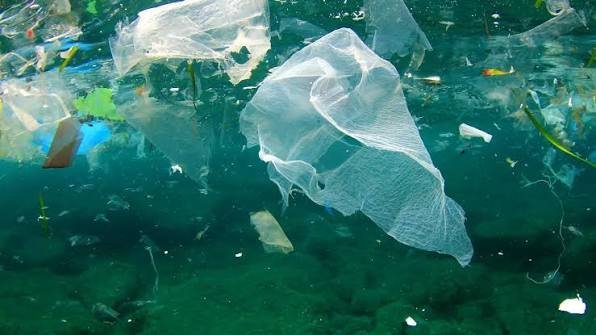
For a water-conscious family, reducing unnecessary plastic use can be an important part of everyday decision-making.
That doesn’t mean every household needs to become perfectly waste-free overnight. Real life doesn’t work like that. But small changes can still make a difference.
Using reusable bottles at home, filling pitchers with filtered water, and installing an appropriate treatment system can reduce the number of disposable bottles used throughout the week.
Related analysis: The Everyday Comfort of Better Water at Home
And there’s another benefit: you never have to wonder whether you remembered to add another case of water to the shopping list.
Understanding What Your Home Actually Needs
Before buying any filtration equipment, it helps to understand the water coming into your home.
Related analysis: Why Iron in Home Water Is More Than Just a Stain Problem
This is where many people go wrong. They notice that the water tastes strange, search online for a solution, and buy the first highly rated filter they find.
Sometimes that works. Sometimes it doesn’t.
Water quality can vary depending on whether the home uses municipal water or a private well. There may be concerns related to sediment, minerals, chlorine, odor, or other substances. Some issues affect drinking water only, while others can influence showers, appliances, laundry, and plumbing throughout the house.
Testing can provide useful information and make the buying process much less of a guessing game.
Once you know what you’re dealing with, choosing the right treatment technology becomes easier. There is no universal filter that automatically solves every water concern, and that’s perfectly okay.
The goal is to find the system that makes sense for your particular home.
Choosing Between Different Filtration Options
Modern water purifier systems come in many forms.
Some are designed to treat water at a single point of use, such as the kitchen sink. Others provide treatment for water throughout the entire home. There are carbon filters, reverse osmosis systems, sediment filters, UV treatment options, water softeners, and combinations of several technologies.
Each approach has a different purpose.
A family mainly concerned about the taste of drinking water may only need a point-of-use system in the kitchen. A household dealing with sediment or other issues across multiple bathrooms and appliances may require a more comprehensive setup.
The key is not to get distracted by the longest list of features.
A complicated system isn’t automatically the best one. Sometimes a simple solution is all that’s needed. Other situations may require several treatment stages working together.
Good water treatment is about solving the actual problem, not collecting the most equipment.
The Appeal of Better-Tasting Water at the Tap
Taste is one of the main reasons people start looking into water filtration.
If the tap water has an unpleasant flavor, even slightly, people tend to notice. Some may switch to bottled water without giving it much thought. Others start adding flavorings or keeping pitchers in the refrigerator.
But when water tastes good, drinking it becomes easy.
A properly chosen system can provide bottle-quality water at home, depending on the source water, treatment technology, and system performance. For many households, that convenience is a major advantage.
Imagine filling a reusable bottle before leaving for work without worrying about whether there are enough plastic bottles in the refrigerator. Or making coffee in the morning with water that has a cleaner, more pleasant taste.
These aren’t dramatic changes, but they become part of everyday life.
And sometimes, those quiet improvements are the ones that stick.
Water Quality Can Affect More Than Drinking
It’s easy to focus only on the water in your glass, but water plays a role throughout the entire home.
Hard water can leave mineral deposits on fixtures and inside appliances. Sediment can clog filters and affect water flow. Certain substances may influence taste or create noticeable odors.
This is why some homes benefit from a combination of treatment methods.
For example, a household may use a whole-home system to address a general water issue while installing a separate drinking water filter in the kitchen. Another family might only need a simple under-sink system.
There’s no one-size-fits-all answer.
The best setup depends on the water conditions and how the household uses water. A proper evaluation can help homeowners avoid paying for equipment they don’t actually need.
Maintenance Keeps Good Water Flowing
A filtration system isn’t something you install and completely forget about.
Filters eventually need replacement. Depending on the technology, other components may require servicing or periodic inspection. The schedule can vary based on water usage and the quality of the incoming water.
Fortunately, maintenance is usually manageable when it is planned.
Before choosing a system, it’s worth asking a few practical questions. How often do the filters need to be changed? Are replacement parts easy to find? What will ongoing maintenance cost over the next few years?
These questions may not be exciting, but they matter.
A low-cost system with difficult or expensive replacement filters can become frustrating over time. Meanwhile, a slightly more expensive system with simple maintenance may offer better long-term value.
The best choice is usually one you can realistically maintain.
Small Changes Can Add Up
Improving water at home doesn’t have to mean completely changing your lifestyle.
Sometimes it starts with one reusable bottle. Then maybe a better filter at the kitchen sink. Over time, the cases of bottled water become less necessary, and the recycling bin doesn’t fill up quite as quickly.
Those changes can save money and reduce the hassle of constantly buying and storing bottled water.
They can also make the home feel a little more convenient.
Nobody enjoys discovering that the last bottle of water is gone when they’re halfway through dinner. With a reliable filtration system, treated water can be available whenever you need it.
No emergency trip to the store required.
Start With the Water, Not the Advertisement
There are plenty of bold promises in the water treatment industry. Every system seems to claim that it is faster, smarter, stronger, or more advanced than the competition.
It’s easy to get caught up in the marketing.
But the smartest place to start is with your water itself.
If you have concerns, consider appropriate testing. Pay attention to changes in taste, smell, appearance, or household performance. Then choose a treatment option based on the results and your actual needs.
Professional guidance can also be helpful when multiple issues are involved.
The right system doesn’t need to be flashy. It simply needs to work properly for the home where it is installed.
Better Water Should Fit Naturally Into Everyday Life
At the end of the day, good water treatment is about convenience as much as technology.
You want to fill a glass without thinking twice. Make coffee without wondering about the taste. Send the kids out with reusable water bottles. Cook dinner without opening another plastic bottle from the pantry.
A suitable filtration system can quietly support those everyday moments.
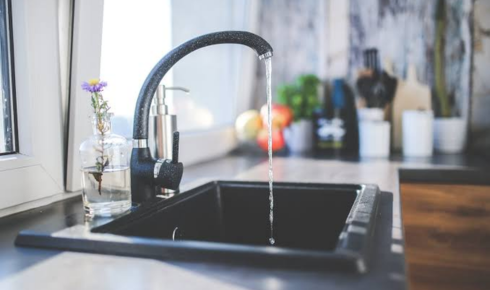
The biggest benefit may not be a dramatic transformation you notice on the first day. Instead, it’s the gradual realization that you’re buying fewer cases of bottled water, carrying less plastic into the house, and enjoying the convenience of better water directly from the tap.
That’s a practical change most families can appreciate.
Because sometimes the best home upgrades are not the ones everyone notices immediately. They’re the ones that quietly make daily life easier, one glass of water at a time.