The Everyday Habit We Often Overlook
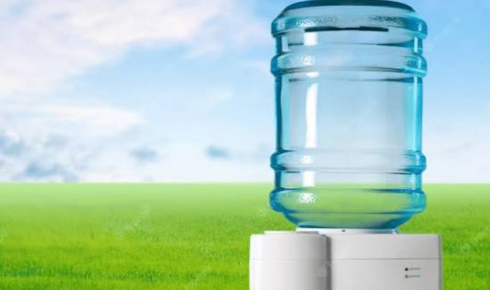
There’s something almost automatic about reaching for a bottle of water when you’re thirsty. It’s convenient, familiar, and easy to carry around. But when bottled water becomes part of every grocery trip, the costs—and the amount of plastic involved—can quietly add up.
For families thinking about improving their drinking water at home, a reliable filtration system can offer a practical alternative. Instead of constantly buying individual bottles, homeowners can treat their tap water and keep a glass, reusable bottle, or pitcher nearby.
Related analysis: Better Water at Home Without the Endless Stack of Plastic Bottles
It’s a small change, really. Yet small changes tend to matter when you repeat them every single day.
Why More Homeowners Are Moving Away From Bottles
Bottled water certainly has its place. It can be useful while traveling, during emergencies, or when safe drinking water isn’t readily available. But relying on it as the main source of drinking water at home isn’t always necessary.
Related analysis: Clean Drinking Water at Home Without the Plastic Bottle Habit
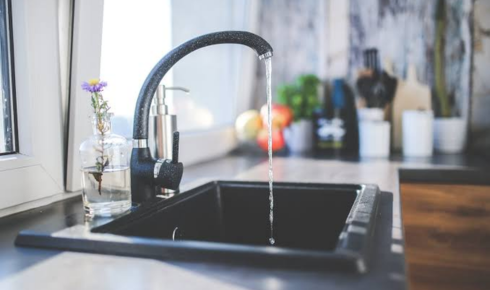
A properly selected home filtration system can provide treated water directly from the kitchen faucet. That convenience encourages lower reliance on bottled water, especially for families that drink several bottles throughout the day.
There’s also something nice about not having to remember whether you’re running low on cases of water. No last-minute trip to the store. No stacking heavy bottles in the pantry or garage.
The faucet is already there. Why not make better use of it?
The Financial Side of Bottled Water
The price of a single bottle doesn’t seem like much. A dollar here, a few dollars there—it barely registers.
Related analysis: Better Water at Home Starts With the Right System, Not a Guess
But multiply that by several bottles a day and then by an entire year, and the numbers start looking different. A family of four can easily go through a substantial amount of bottled water, particularly during hot weather or busy periods.
A home filtration system has its own upfront and maintenance costs, of course. Filters need replacement, and some systems require professional servicing. Still, depending on household consumption, filtration can potentially saves money over time compared with continuously purchasing bottled water.
The key is to compare the full picture rather than focusing only on the initial equipment price.
Related analysis: Better Water Starts with Better Decisions: A Homeowner’s Guide to Cleaner, Healthier Water
Choosing the Right Filtration System
Not every home needs the same type of water filtration. The best option depends on the water source and the specific concerns a household wants to address.
Carbon filtration is commonly used to improve taste and odor and reduce certain substances. Reverse osmosis systems provide more intensive filtration and are often installed for drinking and cooking water.
Related analysis: Why More People Are Rethinking the Water They Drink Every Day
Whole-house systems can provide treatment throughout the property when homeowners have broader water-quality concerns.
Before purchasing equipment, water testing is a smart place to begin. Testing helps identify characteristics such as hardness, sediment, chlorine, iron, or other concerns, depending on the analysis performed.
There’s little point in paying for a treatment system designed to solve a problem your water doesn’t actually have.
What About Plastic Waste?
The environmental side of bottled water is another reason households are reconsidering their habits.
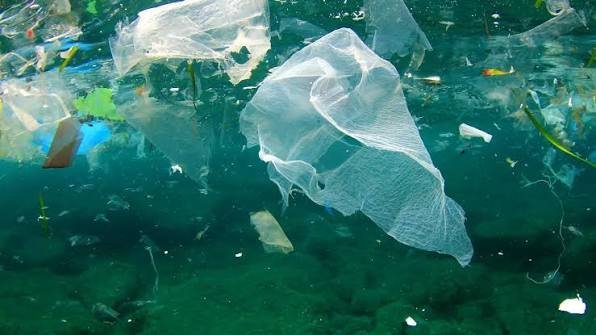
Every disposable bottle requires materials, manufacturing, transportation, and eventually disposal or recycling. Even when bottles are recycled, the process still involves energy and resources.
Switching to reusable bottles and filtered tap water can help reduces environmental waste by cutting down on the number of single-use containers entering the household’s routine.
It isn’t about pretending one family can solve the entire plastic problem. That’s unrealistic. But reducing unnecessary disposable products is still a worthwhile step.
And unlike some environmental changes, this one can be surprisingly easy to maintain.
Convenience Is a Bigger Benefit Than It Sounds
People often focus on filtration technology and forget about convenience.
Imagine coming home after work, filling a glass from the kitchen faucet, and not having to open the refrigerator door to grab a bottle. Or sending children to school with reusable bottles filled from home instead of buying individual containers.
These little moments make a difference because convenience is what keeps household habits going.
If a sustainable choice is difficult every day, people are less likely to stick with it. If it is simple, familiar, and inexpensive, it becomes part of the routine almost without thinking.
Maintenance Shouldn’t Be Ignored
Of course, filtered water doesn’t happen automatically. Treatment systems need maintenance.
Filters have a limited lifespan and should be replaced according to the manufacturer’s recommendations. A neglected filter may become less effective and can affect the taste or performance of the system.
Homeowners should keep track of replacement dates and understand which components need attention. Some systems are very straightforward, while others benefit from professional servicing.
Before buying, ask about ongoing costs. Find out how often filters need replacement, what they cost, and whether they’re readily available.
A system that’s easy to maintain is much easier to live with.
Better Habits Start in the Kitchen
The kitchen is often the easiest place to begin reducing bottled-water consumption.
A dedicated drinking-water faucet, countertop filter, pitcher, or under-sink system can make treated water readily available. Once the system is installed, keeping reusable bottles filled becomes almost effortless.
Families can also make the habit easier by keeping bottles where they’re actually needed—near the refrigerator, by the front door, or in children’s school bags.
It sounds almost too simple, but environment shapes behavior. If filtered water is convenient, people are more likely to choose it.
Don’t Choose a System Based Only on Marketing
Water filtration products come with plenty of impressive claims. Some promise extraordinary purity, while others emphasize advanced technology or long lists of contaminants.
Homeowners should read those claims carefully.
Ask what the system is certified to reduce, what maintenance it requires, and whether its capabilities match the results of your water test. If you’re unsure, speak with a qualified water-treatment professional.
The goal isn’t to buy the most expensive equipment. It’s to choose something appropriate for your household.
A Practical Change With Long-Term Benefits
Reducing bottled-water use doesn’t require a dramatic lifestyle overhaul. Start by understanding your water, choose an appropriate filtration method, and keep a supply of reusable bottles handy.
Over time, the benefits can become noticeable. You may make fewer trips to buy water, create less household plastic waste, and spend less on something you previously purchased almost automatically.
Most importantly, good filtration can make drinking water more convenient. And when clean, treated water is right there at the tap, choosing it becomes the easy option.
Sometimes the most meaningful household improvements aren’t complicated at all. They’re the simple ones that quietly save money, reduce waste, and make everyday life a little easier.