Most people don’t think about their home’s water until it starts acting up. A strange taste in the glass. White stains around the tap. Dry skin after a shower. A dishwasher that leaves spots even when you used the good detergent. These things creep into daily life quietly, and after a while, they almost feel normal.
But they’re not always something you have to live with.
Water affects nearly every corner of a home. It’s in the coffee you drink half-awake in the morning. It’s in the pasta pot, the baby bottle, the laundry load, the shower, the ice cubes, the pet bowl. When the water isn’t quite right, the whole home feels it in small, irritating ways. That’s why choosing a proper water treatment system is less about adding fancy equipment and more about making everyday routines easier, cleaner, and a little more comfortable.
Related analysis: A Smarter Way to Deal With Hard Water: How the Right System Can Make Home Life Easier
Every Home Has Its Own Water Story
Water problems are not the same from one house to the next. One homeowner may be dealing with hard water that leaves chalky buildup on fixtures. Another may have chlorine taste from municipal water. A home with a private well might face sediment, iron stains, sulfur odor, or bacteria concerns. Even two houses in the same neighborhood can experience different issues depending on plumbing age, water source, and usage habits.
This is why generic advice often falls short. A filter that works beautifully in one home may barely solve the problem in another. The smartest place to begin is usually with a proper water test. It gives you a clearer picture of what’s actually in the water instead of relying on taste, smell, or guesswork.
Related analysis: Why the Right Water Softener Can Make Everyday Life at Home Easier
Once you know the issue, the right solution becomes much easier to choose.
Why One-Size-Fits-All Systems Often Disappoint
It’s tempting to buy the most popular system online and hope for the best. We’ve all done something like that, especially when a product has hundreds of glowing reviews. But water treatment isn’t like buying a toaster. The system has to match the home’s water conditions, household size, plumbing setup, and daily demand.
Related analysis: Better Water Starts with Better Decisions: A Homeowner’s Guide to Cleaner, Healthier Water
A small under-sink drinking water filter might be perfect for improving taste at the kitchen tap. But it won’t solve hard water problems in showers or protect a water heater from scale. A water softener can help with hardness, but it won’t remove every drinking water contaminant. A whole-house filter can address certain concerns throughout the property, though it needs to be designed around the specific water quality issue.
That’s where customized solutions become so valuable. Instead of forcing every home into the same setup, the system is selected and configured around real needs.
The Role of Professional Guidance
Homeowners don’t need to become water chemistry experts. Most people simply want better water without a complicated science lesson. Still, professional guidance can make a big difference, especially when the problem involves multiple symptoms.
Related analysis: The Smartest Way to Improve Your Home’s Water Starts With Knowing What’s in It
For example, cloudy water, staining, and odor may require more than one type of treatment. A well water system might need sediment filtration, iron removal, softening, and disinfection. A municipal home might need carbon filtration for chlorine taste plus reverse osmosis for drinking water. The details matter.
A good water treatment professional should explain the options clearly, without pressure or scare tactics. The goal should be practical: identify the concern, recommend the right equipment, and help the homeowner understand how the system will perform over time.
Related analysis: The Everyday Comfort of Better Water at Home
Installation Matters More Than People Realize
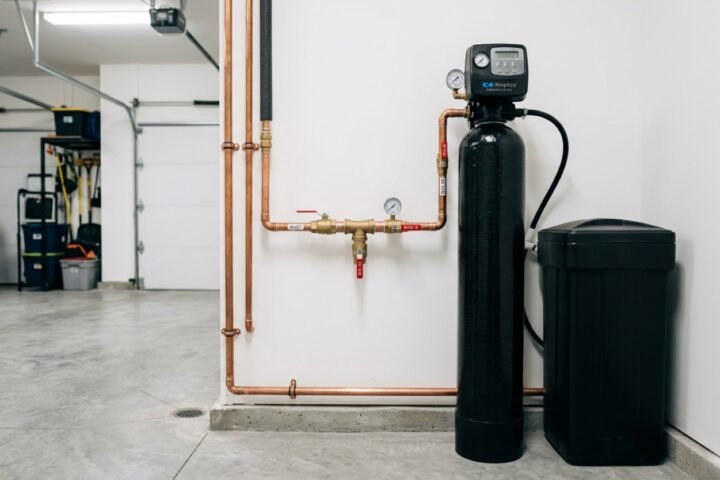
Even the best water treatment system can underperform if it is installed poorly. Placement, pipe connections, drain access, pressure requirements, bypass valves, and system settings all affect how well the equipment works. A neat installation also makes future maintenance easier, which matters more than people think.
That’s why reliable installation is a major part of the overall value. It’s not just about getting the system hooked up. It’s about making sure it runs correctly, safely, and efficiently from the start.
Poor installation can lead to leaks, low water pressure, wasted salt, incorrect regeneration cycles, or filters that don’t work as intended. And nobody wants to discover those problems after spending money on equipment.
How Better Water Changes Daily Life
The benefits of better water often show up in ordinary ways. Drinking water may taste fresher. Coffee and tea can feel cleaner. Fixtures may stay brighter for longer. Laundry may come out softer. Showers may feel better on skin and hair. Appliances that use water may face less mineral stress, depending on the system.
These aren’t always dramatic changes, but they are noticeable. A home becomes easier to maintain when water is working with you instead of against you. Less scrubbing. Fewer spots. Better taste. Fewer little annoyances.
And honestly, those small improvements add up. A cleaner glass of water at the sink may not sound exciting, but when it becomes part of everyday life, it feels like a quiet upgrade you don’t want to give up.
Maintenance Keeps the System Honest
No water treatment system should be forgotten after installation. Filters need replacing. Softener salt needs checking. UV lamps, if used, have a service life. Reverse osmosis membranes eventually need attention. Ignoring maintenance can reduce performance and shorten equipment life.
The good news is that most maintenance is simple when the system is properly planned. A homeowner should know what needs to be changed, how often, and what signs to watch for. If water taste, pressure, smell, or staining changes suddenly, it may be time for service.
A system that is cared for properly will usually provide more consistent results and fewer surprises.
A Smarter Way to Protect Home Comfort
Investing in residential water treatment is really about protecting the way a home feels and functions. It supports cleaner drinking water, more comfortable bathing, better appliance care, and less frustration with stains or buildup. It’s not always glamorous, but it is practical.
The right system doesn’t need to be oversized, overpriced, or overly complicated. It needs to be suited to the home. That means testing first, choosing carefully, installing properly, and keeping up with basic maintenance.
Good water has a way of fading into the background, which is exactly the point. You turn on the tap, and it tastes right. You step into the shower, and it feels right. You wash clothes, rinse dishes, make coffee, fill bottles, and move through the day without thinking so much about what’s coming through the pipes.
That’s the quiet success of a well-planned water treatment system. It simply makes home life better, one glass, one shower, and one small daily routine at a time.