There’s a strange thing that happens when you start paying attention to your water. At first, you don’t notice much. A glass is a glass, right? But then you travel somewhere with exceptionally fresh-tasting water, come back home, and suddenly your tap water feels… different. Slightly metallic maybe. Or flat. Sometimes heavily chlorinated. Once you notice it, it’s hard not to think about it again.
That quiet awareness is probably one reason so many households have started exploring better filtration and hydration options over the last few years. People are becoming more intentional about what they eat, how they sleep, and how they exercise. Naturally, the quality of the water they drink every day becomes part of that conversation too.
Related analysis: Good Water at Home Is One of Those Upgrades You Feel Every Day
And honestly, it should.
Water isn’t just another beverage. It’s woven into almost every part of daily life.
The Shift Toward Smarter Drinking Water at Home
Not long ago, most families relied on basic refrigerator filters or simply bought bottled water from the grocery store. But homeowners have started realizing there are more sustainable and practical options available now.
Related analysis: A Simpler Way to Drink Better Water and Use Less Plastic
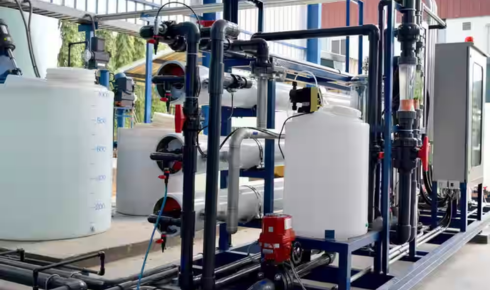
Modern drinking water systems are designed to do much more than improve taste. Depending on the setup, they can reduce sediment, chlorine, dissolved solids, and various impurities that affect both flavor and overall water quality.
What surprises many people is how dramatically filtered water changes everyday habits.
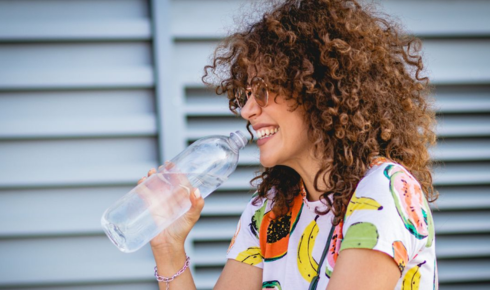
You drink more without forcing yourself to. Coffee tastes cleaner. Tea becomes smoother. Even simple things like filling a reusable bottle before heading out the door become easier because the water actually feels refreshing instead of something you tolerate.
Related analysis: Choosing the Right Water Purification Approach for a Healthier Home
And unlike years ago, today’s systems are often compact, efficient, and surprisingly easy to maintain. They fit beneath sinks, connect directly to kitchen taps, or integrate into whole-home setups without turning your house into a plumbing science project.
Hydration Is About More Than Just Quantity
For years, health advice around water focused mostly on quantity. Drink eight glasses. Carry a water bottle. Stay hydrated.
Related analysis: Better Water Starts with Better Decisions: A Homeowner’s Guide to Cleaner, Healthier Water
All true, obviously.
But people are starting to realize the experience of drinking water matters too. If water tastes unpleasant, most of us unconsciously drink less of it throughout the day. We reach for coffee, soda, or flavored drinks instead because they simply feel more enjoyable.
That’s why conversations around healthier hydration have become more nuanced recently. It’s not only about drinking more water — it’s about creating conditions where hydration feels natural and appealing instead of forced.
Taste plays a huge role in that.
When water tastes crisp and clean, habits change quietly in the background. Kids refill their bottles more often. Adults snack less because thirst isn’t being mistaken for hunger. People feel more inclined to stay hydrated during workouts or long workdays.
Related analysis: When Your Water Looks Clear but Still Feels Wrong
Those small shifts add up over time in ways that feel surprisingly meaningful.
Why Water Quality Feels Personal
One interesting thing about water is how emotionally connected people become to it once they start noticing differences.
Some households prefer mineral-rich water with a slightly heavier taste. Others want something light and ultra-clean. Some people focus on filtration for health reasons, while others mainly care about removing chlorine flavor or hard water residue.
There isn’t one universally perfect setup because preferences vary just like food or coffee preferences vary.
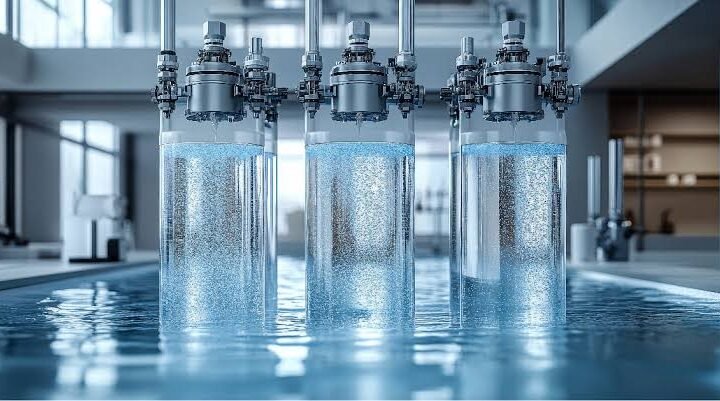
That’s also why systems involving water ionization have gained attention among homeowners looking for more customized hydration experiences. Ionization technology alters the pH balance of water through electrolysis, creating different types of water depending on the desired use.
Supporters often appreciate the smoother taste and flexibility these systems provide. Some people simply enjoy the experience of drinking ionized water more consistently throughout the day, which naturally supports better hydration habits overall.
And honestly, that’s an important point people sometimes overlook: a water system doesn’t need to perform miracles to improve daily life. Sometimes making water more enjoyable to drink is valuable on its own.
Better Water Changes Small Daily Moments
What’s funny is that homeowners often expect huge dramatic changes after upgrading their water systems, but the real benefits tend to show up quietly.
Morning coffee tastes better. Ice cubes stop smelling faintly chemical. Cooking feels different somehow, even if it’s hard to explain exactly why. Guests compliment the water without knowing there’s a filtration system involved.
Then there are the less obvious benefits.
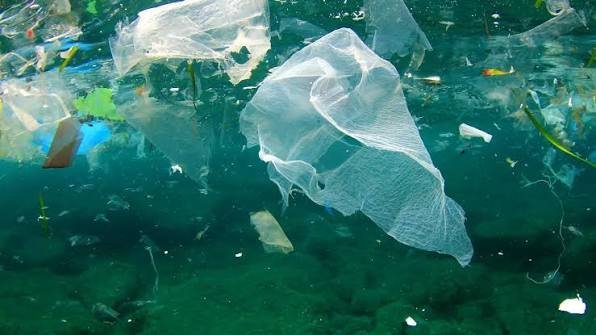
People buy fewer plastic water bottles. Kitchen counters feel less cluttered. Families spend less money on convenience purchases over time. Some even notice they’re drinking more water during stressful workdays simply because it’s sitting there tasting fresh and accessible.
Tiny routines shift naturally.
And honestly, those small everyday improvements are often more sustainable than extreme health trends that disappear after a few weeks.
Finding What Works for Your Home
Of course, not every household needs the same type of system.
Some homes only require basic filtration for drinking water. Others benefit from reverse osmosis systems, mineral balancing, or whole-home treatment depending on local water conditions. Municipal water supplies vary enormously from one region to another, and well water introduces its own unique challenges.
That’s why proper testing and thoughtful research matter more than flashy marketing claims.
The best water setup is usually the one that fits your household realistically — your habits, your preferences, your budget, and the specific water conditions entering your home.
Water Is One of Those Things We Use Constantly Without Thinking
Maybe that’s why improving it feels surprisingly impactful once people finally do.
Water touches nearly every part of life. We drink it, cook with it, shower in it, clean with it, and rely on it constantly without giving it much thought most days. When the quality improves, routines become smoother in subtle but meaningful ways.
Not dramatic. Not life-altering overnight.
Just quietly better.
And honestly, those are often the upgrades that end up mattering most in the long run.