Most people don’t think much about water until something feels off. It’s one of those quiet parts of life that usually stays in the background — filling a kettle in the morning, rinsing dishes after dinner, taking a quick shower before work. Water is supposed to be simple.
So when it suddenly smells strange or tastes different, it catches your attention fast.
Related analysis: A Smarter Way to Deal With Hard Water: How the Right System Can Make Home Life Easier
Maybe your coffee starts tasting metallic. Maybe the kitchen sink gives off a faint odor after running the tap. Or maybe your kids suddenly stop wanting water from the fridge dispenser without really explaining why. Little changes like that have a way of turning into bigger concerns over time.
And honestly, once you notice a problem with water, it becomes difficult not to notice it every single day.
Related analysis: The Smartest Way to Improve Your Home’s Water Starts With Knowing What’s in It
Water Quality Changes More Than People Realize
A lot of homeowners assume water quality stays consistent forever, but that’s not always true. Local treatment adjustments, seasonal weather shifts, aging pipes, mineral content, and plumbing conditions can all affect the water coming into a home.
Even two houses in the same neighborhood can experience different water conditions depending on pipe materials and plumbing age.
Related analysis: Reliable Water Service Makes Home Life Feel Normal Again
That’s why some people suddenly begin noticing a bad taste in their tap water even if nothing obvious has changed around them. The water may still appear perfectly clear, but subtle shifts in minerals or treatment chemicals can dramatically affect flavor.
And honestly, humans are surprisingly sensitive to changes in taste. We notice tiny differences almost immediately, especially in something we use every single day.
Strange Smells Create Instant Distrust
If water smells odd, people naturally become cautious. That reaction makes complete sense.
Related analysis: Good Water at Home Is One of Those Upgrades You Feel Every Day
A noticeable bad smell coming from the sink or shower can make even clean-looking water feel unpleasant to use. Sometimes the odor resembles chlorine. Other times it smells earthy, metallic, musty, or slightly sulfur-like.
In many cases, these smells aren’t dangerous emergencies. They may come from minerals, harmless bacteria reactions, plumbing buildup, or treatment processes in the local water system. Still, unusual odors shouldn’t simply be ignored either.
A friend of mine once described her bathroom water as smelling “like wet pennies.” Oddly specific, but honestly pretty accurate. The issue turned out to be aging pipes interacting with naturally mineral-heavy water in the area.
Related analysis: Clean Drinking Water at Home Without the Plastic Bottle Habit
The important thing is that smells usually indicate something worth understanding better, even if the cause ends up being relatively harmless.
Water Affects Everyday Comfort
People often focus only on whether water is technically safe to consume, but comfort matters too. Water touches almost every part of life at home:
- Cooking meals
- Washing clothes
- Showering
- Cleaning dishes
- Making coffee or tea
- Bathing children or pets
So when water quality changes, the entire feel of the home changes with it.
Showers may leave skin dry. Laundry can feel rough. Dishes might appear cloudy no matter how much soap you use. Small frustrations slowly build up until people realize the water itself could be the source of the problem.
And honestly, many homeowners spend years blaming appliances or cleaning products before considering their water.
Drinking Water Should Feel Refreshing
There’s something deeply reassuring about clean, fresh drinking water. It’s one of those simple comforts people rarely appreciate until it disappears.
When water tastes strange or smells off, people naturally start avoiding it. Bottled water becomes the default. Reusable pitchers fill the fridge. Kids ask for juice instead because the tap “tastes weird.”
Even cooking changes. Tea loses its smoothness. Coffee feels sharper. Soup and pasta absorb unwanted flavors.
It sounds minor until you experience it daily.
I remember staying at a relative’s house where everyone kept chilled bottled water stocked constantly because nobody trusted the tap enough to enjoy drinking it. Technically, the water passed local standards, but the experience itself felt unpleasant enough that the family avoided it completely.
That says a lot.
Why Testing Matters Before Choosing Solutions
One mistake people often make is rushing into random filters or expensive treatment systems without understanding the actual issue first.
Water problems vary too much for guesswork.
Some homes deal with excess minerals. Others struggle with chlorine-heavy treatment, sediment, sulfur compounds, or aging plumbing. The right solution depends entirely on what’s affecting the water in that specific home.
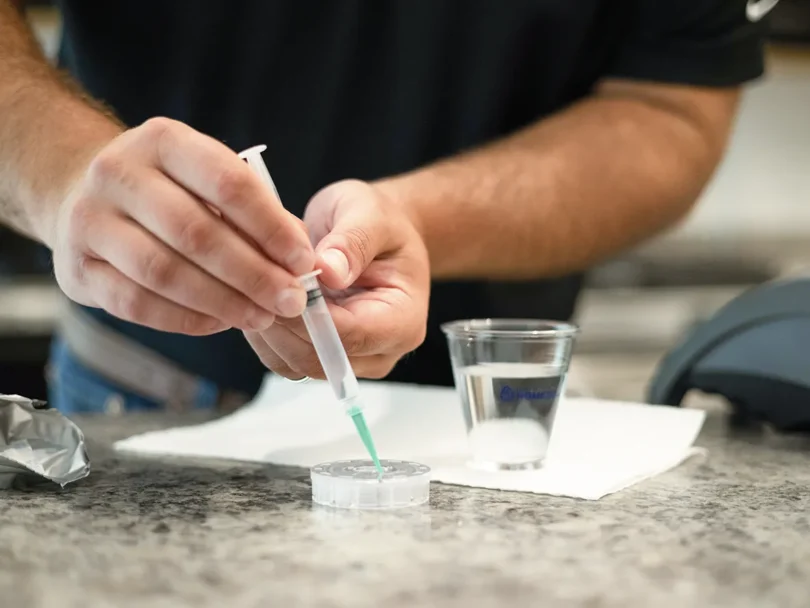
That’s why testing matters so much. A proper analysis helps identify whether the issue comes from mineral content, treatment chemicals, pipe corrosion, or something else entirely.
And honestly, once homeowners know the real cause, the stress level usually drops immediately.
Cleaner Water Quietly Improves Home Life
One thing people consistently say after improving their water quality is, “I didn’t realize how much it was bothering me.”
That’s because bad water creates constant low-level irritation people slowly adapt to over time. Once the issue disappears, everyday routines suddenly feel easier again.
Coffee tastes normal. Showers feel more relaxing. The kitchen sink doesn’t smell strange anymore. Guests stop reaching automatically for bottled water.
Life just feels smoother somehow.
And maybe that’s the best thing about good water — it fades quietly into the background where it belongs. You shouldn’t have to think about whether your water smells strange or tastes unpleasant every time you turn on the tap.
At the end of the day, water is woven into nearly every part of home life. When it’s clean, balanced, and comfortable to use, everything else around the house tends to feel a little better too.