Water is probably one of the least exciting things in a house—until it starts causing problems.
You wake up, make coffee, take a shower, load the dishwasher, and move on with your day. Water is simply part of the background. But then you notice the white spots on your glasses. The shower door never seems completely clean. Soap doesn’t lather the way you expect, and the faucet has developed that stubborn chalky crust that somehow returns no matter how hard you scrub.
Related analysis: A Smarter Way to Deal With Hard Water: How the Right System Can Make Home Life Easier
At that point, the water suddenly becomes interesting.
For many homeowners, these small frustrations lead to a closer look at hardness and the minerals present in their household water. Finding the right solution can make a noticeable difference, but it’s important to remember that not every home needs the same type of treatment.
The goal isn’t to buy the biggest machine in the showroom. It’s to understand what’s happening in your home and choose something that actually fits your water, lifestyle, and daily routine.
Related analysis: Why Softer Water Makes Home Life Feel Just a Little Easier
The Small Signs of Hard Water Add Up
Hard water doesn’t usually create one dramatic problem overnight. Instead, it leaves little clues all over the house.
Maybe your dishes come out of the dishwasher looking cloudy. Towels feel stiff after washing. The showerhead collects buildup, and cleaning products seem to disappear faster than they should. You might even find yourself buying stronger cleaners, hoping they’ll finally solve the problem.
Related analysis: Why the Right HVAC Installation Makes Everyday Life Feel Easier
Sometimes they help for a while. But if minerals in the water are contributing to the buildup, the same issues may keep returning.
These everyday hard water problems can become more frustrating over time because they affect so many ordinary routines. Laundry, bathing, cleaning, dishwashing, and even the appearance of fixtures can all be part of the picture.
That’s why it makes sense to look beyond the surface. Instead of asking, “How do I clean this stain?” it may be worth asking, “Why does this keep happening?”
Related analysis: Reliable Water Service Makes Home Life Feel Normal Again
A water test or professional evaluation can help provide a clearer answer.
Understanding What a Water Softener Actually Does
People often hear the term “water softener” without really knowing what happens inside the equipment.
Related analysis: Better Water at Home Starts With the Right System, Not a Guess
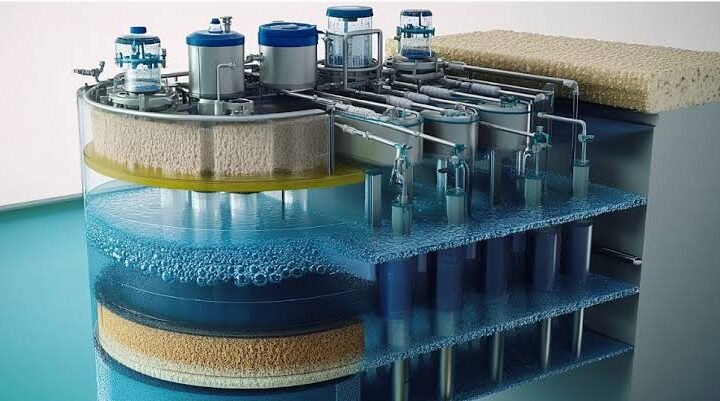
In simple terms, traditional softening systems are generally designed to address hardness-causing minerals, such as calcium and magnesium, through an ion-exchange process. The exact technology and design can vary, but the purpose is to reduce the effects associated with hard water.
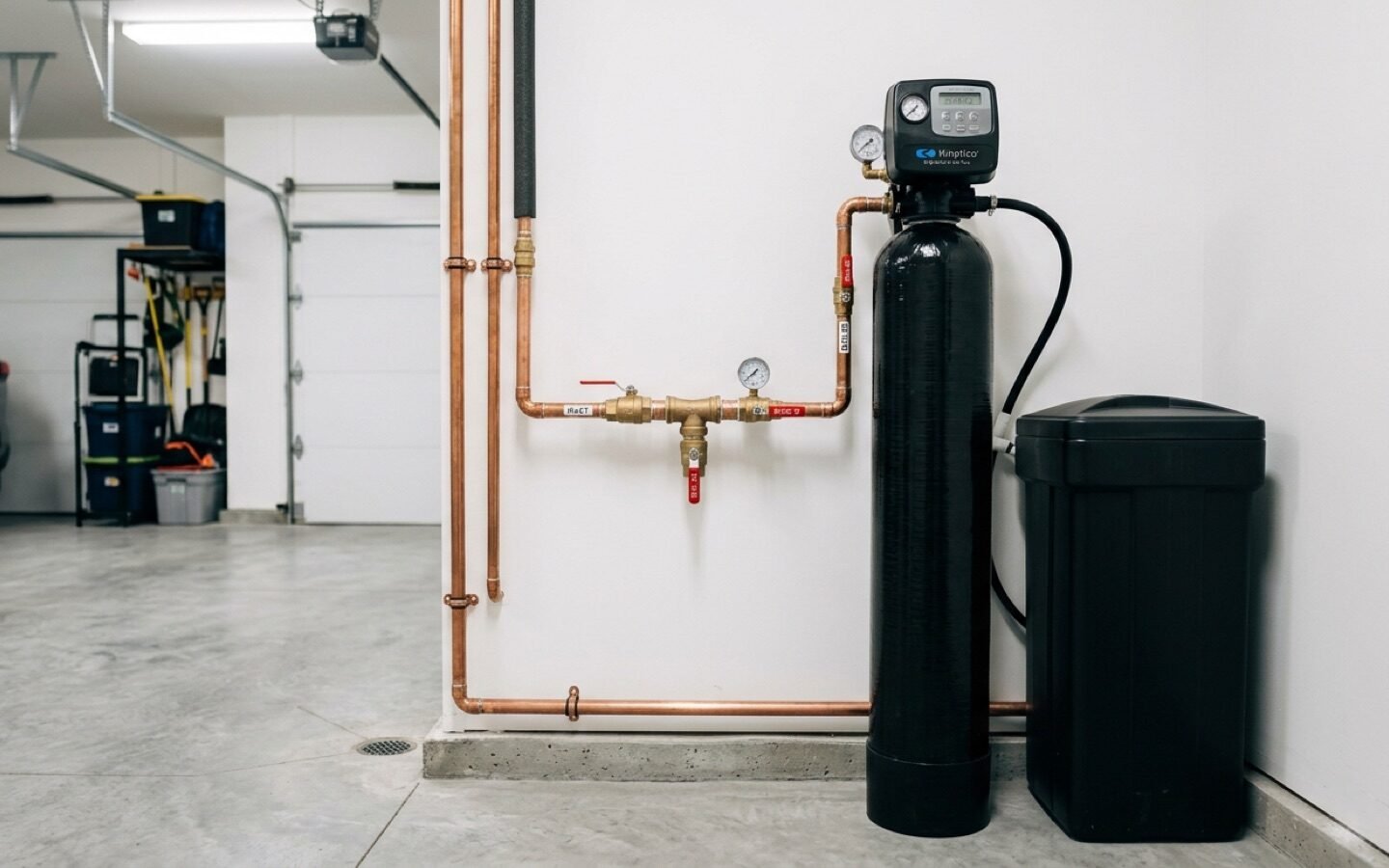
Modern Water Softeners come in different sizes and configurations, which is why choosing one based only on price or appearance can be a mistake.
A small household may have very different needs from a family of six. Water usage also matters. Think about how many showers happen each morning, how often laundry is done, whether the dishwasher runs daily, and how many bathrooms are regularly in use.
A system should be selected for the home it will serve.
Buying a softener that is too small may leave it struggling to keep up with demand. Choosing one that is unnecessarily large may mean paying for capacity you simply don’t need.
Like most things around the house, the best fit is usually somewhere in the middle.
Your Appliances Use More Water Than You Realize
It’s easy to focus on the visible signs of hard water because they’re right in front of you. You can see the spots on glasses and feel the difference in laundry.
What’s less obvious is what may be happening inside water-using appliances.
Water heaters, washing machines, dishwashers, and other household equipment all depend on a steady supply of water. Depending on water conditions and the amount of mineral buildup involved, hardness may contribute to deposits on components that regularly come into contact with water.
Addressing those conditions may support extended appliance life, particularly when water treatment is combined with appropriate maintenance and normal care.
That doesn’t mean installing a softener magically guarantees that an appliance will never need repair. Appliances have moving parts, electronics, seals, and plenty of other components that can fail for completely unrelated reasons.
Still, reducing mineral-related buildup can be one practical part of taking better care of the equipment you rely on every day.
And considering how expensive it can be to replace a water heater or washing machine, prevention is certainly worth thinking about.
Better Cleaning Is One of the Everyday Benefits
For many homeowners, the most satisfying improvements are the simple ones.
When hard water is treated appropriately, cleaning may become easier. There may be less stubborn buildup around fixtures, fewer spots on glassware, and less time spent fighting with the shower door.
That doesn’t mean you can throw away every cleaning product and never touch a sponge again. If only.
But when the water itself contributes less to recurring mineral deposits, routine cleaning can feel less like an endless cycle.
Laundry may also benefit. Some households notice that fabrics feel different when washed with softened water, and soap or detergent may perform differently compared with washing in harder water.
These are not dramatic changes in the way a new kitchen renovation might be. They’re smaller than that.
But they happen every single day.
And small improvements repeated hundreds of times throughout the year can add up to a much more comfortable home.
Why Testing Should Come Before Buying
One of the easiest mistakes to make is deciding which treatment system you need before knowing what is actually in your water.
Maybe your neighbor has a softener and loves it. Perhaps a family member insists that a particular brand is the only option worth considering. Or maybe you saw an online advertisement that made one system sound like the answer to every water issue imaginable.
Marketing can be convincing.
But your water may not have the same characteristics as someone else’s.
Testing can help identify hardness and other factors that may influence the right treatment approach. In some homes, a water softener may make perfect sense. In others, the main concern could involve taste, odor, sediment, or something requiring a different type of filtration.
The important thing is not to guess.
A good decision starts with useful information.
Consider How Your Household Actually Lives
Before choosing a water treatment system, think about your normal routine.
How many people live in the home? Are several bathrooms used at the same time? Does everyone shower before school and work in the morning? How often does the washing machine run?
A family with teenagers can use a surprising amount of water. Anyone who has watched a teenager take a forty-minute shower probably doesn’t need scientific evidence to believe that.
Available space also matters.
Some homes have large basements or utility rooms with plenty of room for equipment. Others have tight installation areas where every inch counts. Plumbing access, drainage, and maintenance clearance should all be considered before installation.
These practical details can seem boring compared with shiny new equipment, but they often determine whether the system will be easy to live with.
Don’t Forget About Maintenance
A water softener is not completely maintenance-free.
Depending on the type of system, homeowners may need to monitor supplies, arrange periodic service, or replace certain components over time. Before purchasing, ask what routine care will be required and whether professional support is available.
The best system for you isn’t necessarily the one with the longest feature list.
It’s the one you can realistically maintain.
If a system requires constant attention and complicated upkeep that doesn’t fit your lifestyle, even impressive technology can become a nuisance. On the other hand, a properly selected system with manageable maintenance can quietly work in the background for years.
That quiet reliability is what most homeowners really want.
Better Water Should Fit Naturally Into Daily Life
At the end of the day, nobody installs a water treatment system because they want another complicated appliance to think about.
People want simpler things.
They want dishes that look cleaner. Softer-feeling laundry. Less buildup around faucets and shower fixtures. They want their appliances and plumbing to operate under better conditions and their cleaning routine to feel a little less exhausting.
The right solution can help support those goals, but it starts with understanding the problem rather than chasing the latest product or copying someone else’s setup.
Test the water. Consider your household size and daily usage. Think about installation space and long-term maintenance. Ask questions until the answers make sense.
There is no single “best” water softener for every home. The right choice depends on your specific situation.
When a system is properly matched to your water and household, the benefits often become part of daily life without demanding much attention. You notice fewer spots. Cleaning feels easier. Laundry and appliances may perform under more favorable conditions.
Then, eventually, you stop thinking about your water altogether.
And honestly, when something as essential as water is working quietly in the background the way it should, that may be the best outcome of all.