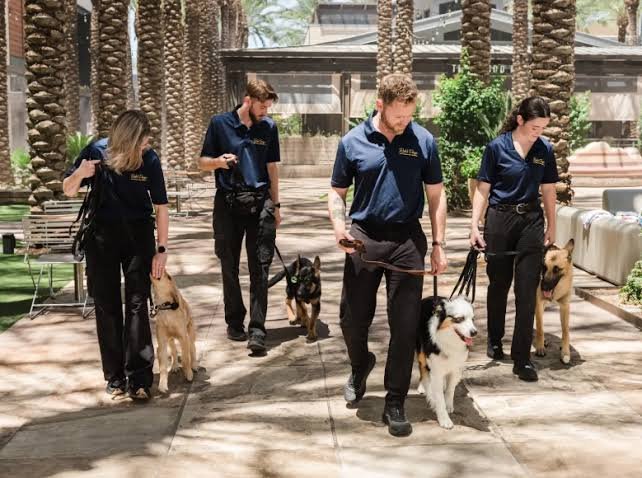
Choosing a board and train Phoenix program is about more than giving your dog a place to stay. It provides structured training that helps dogs practice obedience, improve manners, and respond appropriately to everyday distractions. For busy Phoenix owners, Rob’s Dog Training offers consistent guidance to help dogs develop skills they can continue using at home and in daily situations.
What Is Board and Train Dog Training?
Board and train is an immersive form of dog training in which a dog stays with professional trainers for a set period while receiving structured instruction throughout the day.
Rather than relying on one weekly lesson, dogs can receive repeated opportunities to practice skills such as:
Related analysis: Office Cleaning Checklist for Busy Workplaces in Jacksonville, Florida
- Sit, down, and stay
- Reliable recall
- Leash manners
- Impulse control
- Calm behavior around distractions
- Appropriate household manners
- Responses to everyday commands
The advantage is consistency. Dogs learn through repetition, and structured repetition can help make desired behaviors more familiar and reliable.
That does not mean every dog will respond at the same speed. Age, temperament, previous training, confidence, energy level, and behavioral challenges can all influence the training process. A quality program should account for those differences rather than treating every dog exactly the same.
Related analysis: Choosing the Right Plumbing Team When Your Home Needs Real Help
Why Consider a Board and Train Phoenix Program?
One of the biggest reasons owners consider board and train Phoenix services is time.
Modern schedules can make it challenging to provide several focused training sessions every day. An immersive program gives professional trainers more opportunities to practice skills consistently while the dog remains in a structured environment.
Related analysis: 10 Common Career Mistakes Young Professionals Should Avoid
There are several potential advantages.
More Consistent Practice
A dog may understand a command but still struggle to respond when distracted. Repetition helps bridge the gap between knowing a behavior and performing it reliably.
For example, a dog might respond to “come” in a quiet living room but ignore the command at a park. Training in different environments gives the dog opportunities to practice listening despite competing sights, sounds, smells, and movement.
Related analysis: A Simpler Way to Drink Better Water and Use Less Plastic
Structured Daily Routines
Training does not have to happen only during formal lessons. Everyday activities can provide opportunities to reinforce calm behavior, leash skills, patience, and responsiveness.
A structured routine can help dogs understand what is expected during walks, rest periods, transitions, and other daily activities.
Related analysis: A Warmer, Smarter Home Starts With the Right Heating Choices
Exposure to Real-World Distractions
A dog that behaves perfectly inside a training facility may behave differently in public.
That is why real-world exposure is an important part of effective dog training. Phoenix dogs may eventually encounter busy sidewalks, parks, shopping areas, other dogs, unfamiliar people, traffic, and countless other distractions.
Training around those situations helps owners see whether their dog’s skills are dependable beyond a controlled environment.
What Should You Look For in a Board and Train Program?
Not every board and train service offers the same approach. Before choosing a program, consider more than the advertised length of the stay.
1. An Individualized Training Plan
A Labrador puppy with basic obedience needs will not necessarily require the same approach as an adult dog struggling with leash pulling or reactivity.
Ask whether the trainer evaluates the dog’s current behavior and training goals before recommending a program. An individualized assessment can help determine what skills should receive the most attention.
2. Multiple Training Sessions
Ask how much actual training occurs each day.
A dog staying somewhere for several weeks does not automatically mean it is receiving several weeks of meaningful instruction. The program should have a clear structure for practice, repetition, rest, and supervision.
Rob’s Dogs describes its Board & Train approach as involving multiple structured training sessions each day, with an emphasis on communication, consistency, and repetition.
3. Training Beyond the Facility
Real life does not happen in a quiet training room.
A strong program should help dogs practice appropriate behavior around distractions and in environments that resemble situations they will encounter after returning home. Rob’s Dogs states that its training can include parks and shopping centers so dogs learn to listen in different settings.
4. Owner Instruction After Training
This is one of the most important considerations.
A dog can learn new skills while staying with a professional, but the owner still needs to know how to maintain those behaviors. Without consistent follow-through at home, progress can weaken over time.
Look for a program that includes a go-home lesson, practical instructions, and continued support rather than simply handing the dog back at the end of the stay.
Board and Train Is Not a Shortcut Around Ownership
One common misconception is that sending a dog away for training means the owner no longer needs to participate.
The opposite is true.
A board and train program can provide an intensive foundation, but owners must continue using the same communication, boundaries, and expectations at home. Dogs thrive when the people around them are consistent.
That means owners should be prepared to:
- Practice learned commands regularly.
- Reinforce appropriate behavior.
- Maintain consistent household rules.
- Continue working around distractions.
- Use the trainer’s recommended techniques correctly.
- Ask questions when new behavioral challenges appear.
The goal is not simply to produce a dog that behaves for a trainer. The goal is to help create a reliable relationship between the dog and its owner.
How Phoenix Owners Can Maintain Training at Home
Once a dog returns home, the first few weeks can be particularly important.
Avoid assuming that training is finished. Instead, incorporate learned behaviors into normal routines.
Ask your dog to wait before going through a doorway. Practice recall in appropriate settings. Reinforce calm leash behavior during walks. Use short sessions rather than expecting the dog to remain focused for an extended period.
Consistency also matters when visitors arrive, during mealtimes, and when the dog encounters other animals.
If your dog has learned to remain calm rather than jump on guests, everyone in the household should reinforce that expectation. Mixed signals can make it harder for dogs to understand which behaviors are acceptable.
When Board and Train May Be a Good Fit
A board and train program may make sense for owners who:
- Have demanding work or family schedules
- Want an intensive training experience
- Need structured obedience practice
- Prefer professional guidance during the initial training process
- Want their dog to practice skills around distractions
- Are prepared to continue training at home
However, it may not be appropriate for every situation or every owner. Some people prefer to participate directly in every training session, making private lessons a better fit.
The important question is not whether board and train is universally “better.” It is whether the program matches the dog’s needs and the owner’s ability to maintain the training afterward.
Ask Better Questions Before Choosing Dog Training
Before enrolling, ask specific questions rather than relying only on promotional claims.
Consider asking:
How do you assess my dog’s needs?
The answer should explain how the trainer determines appropriate goals and methods.
How much training happens each day?
Look for a clear explanation of the daily structure.
Where will my dog train?
Ask whether training includes only the facility or also appropriate real-world environments.
What happens when the program ends?
Find out whether owner instruction, transition guidance, and ongoing support are included.
How will you address my dog’s specific behavior?
The trainer should be able to explain how the program can address concerns such as leash pulling, poor recall, jumping, barking, or difficulty focusing around distractions.
These questions can help owners compare programs based on training quality rather than simply price or length of stay.
Choosing a Board and Train Phoenix Program With Purpose
The best board and train Phoenix experience should be viewed as a partnership between the dog, professional trainer, and owner.
A structured stay can give dogs concentrated practice and help establish clearer communication. But lasting behavior depends on what happens afterward. Owners need practical guidance and a realistic plan for incorporating training into daily life.
For Phoenix families considering an immersive option, Rob’s Dogs offers Board & Train programs designed around structured training, individualized needs, real-world practice, and owner guidance after the dog’s stay. The company also begins the process with an in-person behavioral assessment to discuss the dog’s needs and training goals.
If your dog needs more consistent obedience practice or you simply want professional help establishing better everyday manners, take time to evaluate your options carefully. The right program should leave you with more than a trained dog; it should give you the knowledge and structure needed to keep that progress going at home.