When the temperature drops, a comfortable home becomes something we all appreciate a little more. There’s a certain relief in coming inside from a cold, windy day and feeling warmth settle around you. It’s one of those everyday comforts that often goes unnoticed—until the house suddenly feels chilly and the thermostat doesn’t seem to be helping.
For many homeowners, heating is simple on the surface. You turn it on, set the temperature, and expect the house to stay comfortable. Behind that simple routine, though, there are several things working together: the equipment itself, airflow, insulation, maintenance, thermostat settings, and how efficiently the home holds onto warmth.
Related analysis: A Smarter Way to Deal With Hard Water: How the Right System Can Make Home Life Easier
Making smart choices about these things can improve comfort and potentially reduce unnecessary energy use. And it doesn’t always require a massive renovation or the most expensive equipment on the market. Sometimes, a few sensible changes can go a surprisingly long way.
Understanding the Role of Modern Heating Equipment
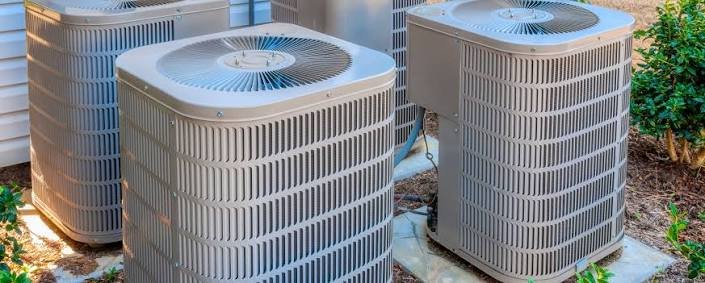
Different homes require different solutions, which is why heating systems come in many forms. Furnaces, boilers, heat pumps, ductless units, and other options can provide warmth depending on the property’s design, climate, and existing infrastructure.
The best choice isn’t automatically the newest or most expensive model. A heating solution should suit the size and layout of the home and be properly matched to its actual needs.
Related analysis: Better Water at Home Starts With the Right System, Not a Guess
An oversized system, for example, may produce heat quickly but cycle on and off more frequently than necessary. A system that is too small may struggle during particularly cold weather and spend long periods trying to reach the desired temperature.
This is why professional assessment can be useful when replacing or installing major equipment. Looking at the whole home—not just the old unit—is often the better approach.
Related analysis: Why the Right Water Softener Can Make Everyday Life at Home Easier
Comfort Depends on More Than the Thermostat
Most people have experienced it: the thermostat says the house should be comfortable, but one room still feels cold.
Uneven temperatures can have several causes. Airflow may be restricted, vents could be blocked, ductwork might be leaking, or insulation may not be doing its job. Rooms with large windows or significant sun exposure can also behave differently from the rest of the house.
Related analysis: Choosing the Right Water Purification Approach for a Healthier Home
Before blaming the heating equipment, it’s worth looking at the entire environment.
Make sure vents and registers aren’t blocked by furniture, rugs, or storage. Check for obvious drafts around doors and windows. Pay attention to rooms that consistently feel colder than others.
Related analysis: The Smartest Way to Improve Your Home’s Water Starts With Knowing What’s in It
Sometimes, a small adjustment solves more than you expect.
Why Energy Use Matters to Homeowners
Comfort is important, but running a home also comes with bills. That’s why energy-efficient heating has become a practical consideration for homeowners who want warmth without wasting more energy than necessary.
Efficiency isn’t only about buying a new unit. The way a home is maintained and used can have a real impact.
Replacing dirty filters can help support proper airflow. Keeping heating equipment maintained allows developing problems to be identified before performance declines further. Sealing obvious air leaks around windows and doors can also help prevent warmed air from escaping.
Thermostat habits matter too. Constantly turning the temperature dramatically up and down may not always provide the comfort people expect. A more consistent approach can make it easier to manage indoor temperatures.
No single habit will transform an inefficient home overnight, but several small improvements can add up over time.
Insulation Is the Quiet Partner in Home Comfort
A heating system can only do so much if the home itself struggles to retain warmth.
Poor insulation allows heat to escape through walls, ceilings, floors, and other areas. Drafts can create uncomfortable cold spots and make the heating equipment work harder to maintain the desired temperature.
This is why improving insulation or sealing air leaks can sometimes be just as important as upgrading the heating equipment.
Think of it like filling a bathtub without putting in the plug. You can keep adding water, but some of it is constantly escaping. A home that loses heat quickly creates a similar challenge.
Of course, every property is different. Older homes may have unique insulation challenges, while newer homes may already have better thermal performance. Identifying where heat is being lost can help homeowners prioritize improvements instead of spending money blindly.
Regular Maintenance Is Still One of the Best Habits
Heating equipment has a habit of being forgotten when it works properly. Then winter arrives, the system is suddenly working harder every day, and an old problem finally decides to become obvious.
Regular maintenance can help reduce those unpleasant surprises.
Depending on the equipment, a professional inspection may involve checking key components, evaluating performance, cleaning appropriate areas, and looking for signs of wear. Homeowners can also handle basic tasks such as checking filters and keeping vents clear.
Maintenance isn’t a guarantee against every future breakdown. Mechanical parts eventually wear out, and unexpected problems can still happen. But routine attention can make it easier to identify smaller issues before they turn into major repairs.
It’s a bit boring, sure. But boring is often exactly what you want from your home’s heating equipment.
Choosing the Right Approach for Home Heating
Every household has different priorities, and home heating should reflect how people actually live in the space.
A family that spends most of its time in a few rooms may have different needs from someone who wants consistent temperatures throughout a large house. An older property without existing ductwork may require a different solution than a newer home designed around a central system.
Before choosing new equipment, consider practical questions. How large is the home? Which rooms are used most often? Are there persistent cold spots? How well is the building insulated? What type of heating infrastructure already exists?
These details can help determine which options make sense.
It can also be helpful to think beyond the initial purchase price. Installation quality, expected maintenance, operating costs, and equipment lifespan all influence the long-term value of a heating system.
The cheapest option today isn’t always the least expensive choice over several years.
Small Changes Can Make a Real Difference
Not every improvement requires replacing major equipment.
Closing curtains or blinds during cold evenings can help reduce heat loss through windows. Using appropriate window coverings, sealing noticeable drafts, and keeping doors closed in unused spaces may improve comfort in certain homes.
Regularly checking filters and avoiding blocked vents can support better airflow. Ceiling fans, when used appropriately, can also help circulate warm air in rooms with higher ceilings.
These changes may sound ordinary because they are. But ordinary habits are often easier to maintain, and consistency matters.
The goal isn’t to turn home comfort into a complicated science project. It’s simply to avoid wasting warmth and help the equipment operate under better conditions.
A Comfortable Home Is About Balance
The perfect heating solution doesn’t exist for every property. What works beautifully in one home may not suit another.
The best approach usually involves balance: equipment that fits the home, sensible maintenance, reasonable thermostat habits, and a building that can actually retain the warmth being produced.
Pay attention to changes in performance. Don’t ignore rooms that suddenly feel colder or a system that begins running longer than usual. Deal with small problems before they become bigger ones, and take the time to understand your options before making a major purchase.
In the end, creating a warm and comfortable home isn’t about chasing the latest technology or buying the most powerful equipment available. It’s about making thoughtful decisions based on your space and your everyday needs.
When winter weather arrives, those decisions become very real. And there’s nothing quite like walking through the front door, leaving the cold outside, and knowing your home is ready to keep you comfortable.