Key Takeaways
- The best repellent depends on the insects expected, how long you will be outdoors, and the activity you have planned.
- Compare the active ingredient, concentration, application format, and label directions before buying.
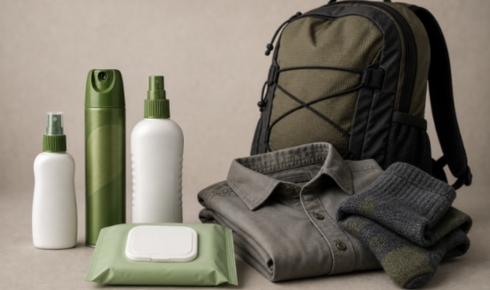
- Repellent works best as part of a larger bite-prevention plan that includes clothing, footwear, and environmental awareness.
- Al Flaherty’s Outdoor Store connects insect defense with camping, fishing, hunting, hiking, clothing, and footwear essentials.
Table of Contents
- Which Insects Should Toronto Outdoor Enthusiasts Prepare For?
- How to Choose the Right Repellent
- Ingredients and Formats to Compare
- Choosing Protection by Activity
- Safe Insect Repellent Use
- Buying Checklist
- Frequently Asked Questions
Whether the plan is a ravine walk, a cottage weekend, a fishing trip, a campground stay, or an evening on the patio, insect protection deserves a place on every Toronto outdoor checklist. Al Flaherty’s Outdoor Store makes it easier for customers to shop for insect repellent Toronto to pair with the clothing, footwear, camping supplies, and activity-specific gear they already need.
Located at 2066 Dufferin Street in Toronto, Al Flaherty’s Outdoor Store is a practical local resource for people preparing to spend time outdoors. Instead of choosing bug spray based on packaging alone, shoppers can compare their likely exposure, trip length, preferred application method, and the product’s label directions.
Which Insects Should Toronto Outdoor Enthusiasts Prepare For?
Toronto and the surrounding outdoor areas can bring exposure to mosquitoes, ticks, blackflies, and other biting insects. Wooded trails, tall grass, ravines, campsites, shorelines, ponds, and backyards can all create different conditions. Mosquitoes may be especially noticeable around dawn and dusk, while ticks are commonly associated with wooded areas, trail edges, and tall grass.
Related analysis: A Smarter Way to Deal With Hard Water: How the Right System Can Make Home Life Easier
The setting matters because a short patio visit does not call for the same preparation as a full day of fishing or a weekend in a tent. Start by asking where you will be, how long you will stay, and whether you will be near water, brush, or dense vegetation.
How to Choose the Right Repellent
A simple selection process helps shoppers focus on what matters. First, define the expected exposure. Consider whether mosquitoes, ticks, blackflies, or a combination are likely. Next, estimate duration. A quick dog walk, a long hike, and an overnight camping trip each create different needs.
Related analysis: Better Water at Home Without the Endless Stack of Plastic Bottles
Then choose a format that fits the outing, such as a spray, lotion, wipe, or another approved option. Finally, read the active ingredient, concentration, age guidance, target insects, and reapplication instructions on the label. Health Canada’s guidance on personal insect repellents explains that products used in Canada should be government-approved and used according to their label directions.
Al Flaherty’s Outdoor Store helps turn this decision into a complete outdoor preparation plan. A shopper can consider repellent alongside long sleeves, pants, socks, hiking boots, hats, a camp shelter, and other equipment that reduces exposed skin or supports a more comfortable outing.
Ingredients and Formats to Compare
No single active ingredient or delivery method is automatically right for everyone. The label is the best place to confirm what insects a product repels, who can use it, and how often it may be applied. Shoppers should compare the following factors:
Related analysis: A Smoother Cleanup Starts With the Right Dumpster Service
- Active ingredient: Different ingredients may be labeled for mosquitoes, ticks, blackflies, or other biting insects.
- Concentration: This can affect the expected duration of protection, so it matters when comparing brief outings with extended exposure.
- Application format: Sprays can be convenient for broad coverage, while lotions and wipes may better suit certain packing preferences or controlled application.
- Pack size: A small container may work for one hiker, while a camping group may need a larger container for repeated use.
- Label limitations: Check age restrictions, target pests, maximum applications, and instructions for use around clothing or exposed skin.
Research has shown that protection time can differ substantially by product. According to the CDC Yellow Book, higher concentrations of active ingredients provide longer-lasting protection, and studies suggest that DEET efficacy tends to peak at approximately 50%. Real-world results can vary with sweating, rain, swimming, application amount, weather, and local insect activity, so the product label remains the practical guide.
Choosing Protection by Activity
Hiking and Ravine Walks
Choose a portable format and plan for coverage on exposed skin. Long pants, socks, closed footwear, and lightweight long sleeves can reduce exposure when trails include brush or tall grass.
Camping
Camping often means longer exposure and repeated time outside. Bring enough repellent for the group, follow reapplication directions, and pair personal protection with shelter, appropriate clothing, and campsite awareness.
Related analysis: Choosing the Right Water Purification Approach for a Healthier Home
Fishing and Hunting
Shorelines, wooded areas, and long periods outdoors can call for a more deliberate system. Repellent should fit comfortably with fishing apparel, waders, hunting clothing, boots, packs, and other field equipment.
Backyards and Patios
Short outdoor time may call for a convenient, easy-to-use option rather than the same setup needed for a full-day excursion. Even so, check the label to ensure the product is intended for the insects and the conditions of use.
Related analysis: Why the Right Water Softener Can Make Everyday Life at Home Easier
Safe Insect Repellent Use
Effective use starts with the label. Follow it carefully rather than assuming a stronger scent, heavier application, or more frequent use will provide better protection. Keep these practices in mind:
- Use a product registered for use in Canada and follow all label directions.
- Apply only to the areas and in the manner specified on the product label.
- Do not apply repellent to cuts, irritated skin, eyes, mouth, or hands that children may place in their mouths.
- Apply sprays in a well-ventilated area and avoid spraying directly onto the face.
- Supervise the application of children and follow all age-related restrictions.
- Wash treated skin with soap and water after returning indoors when protection is no longer needed.
- Store products away from children, pets, heat, flames, food, and direct sunlight.
What to Check Before Buying Insect Repellent
- What biting insects are likely to be where you are going?
- How many hours will you be outdoors?
- Will you sweat, swim, fish, camp, or travel through brush?
- What active ingredient and concentration are listed?
- Does the label identify the insects you need protection from?
- Is the format practical for your pack, pocket, vehicle, or group?
- Do you also need protective clothing, socks, boots, or shelter?
For Toronto residents, a well-chosen repellent is not a standalone purchase. It is part of a broader outdoor system. Al Flaherty’s Outdoor Store offers a useful starting point for building that system before hiking, camping, fishing, hunting, or spending an evening outside.
Frequently Asked Questions
What is the best insect repellent for Toronto?
The best option depends on expected insects, time outdoors, activity level, product format, and label instructions. Choose based on your actual conditions rather than a one-size-fits-all claim.
Can insect repellent replace protective clothing?
No. Repellent is one useful layer. Long sleeves, pants, socks, footwear, shelter, and avoiding brush when possible can further reduce exposure.
How often should insect repellent be reapplied?
Follow the specific product label. Reapplication needs may change with sweating, swimming, rain, and the length of time spent outdoors.